
What Is a Papule? A Complete Guide
Key Takeaways
- Definition & Characteristics: A papule is a small, solid, raised skin lesion less than 1 centimeter in diameter that does not contain pus or fluid.
- Primary Causes: Common causes of papules include acne, contact dermatitis, allergic reactions, eczema, psoriasis, insect bites, and localized skin infections.
- Papule vs. Pustule: Unlike pustules, which feature a visible white or yellow center filled with pus, papules remain solid, firm, and non-pus-filled.
- Safe In-Home Care: Mild papules should never be squeezed or popped; gentle cleansing, cool compresses, and avoiding picking prevent permanent scarring and secondary infections.
- When to See a Doctor: Medical evaluation by a dermatologist is recommended if papules rapidly spread, cause severe pain, bleed, or persist without improvement over several weeks.
Have you noticed a small, raised bump on your skin and wondered what it is? One possible answer is a papule. Papules are one of the most common types of skin lesions and can appear on people of all ages. They may develop because of acne, allergies, insect bites, infections, or certain skin conditions.
Most papules are harmless and go away with proper care, but some may need medical attention depending on their cause. Knowing what a papule is and understanding why it appears can help you take the right steps to treat it and prevent future skin problems.
This guide explains everything you need to know about papules, including their causes, symptoms, treatments, prevention tips, and when you should see a doctor.
What Is a Papule?
A papule is a small, solid, raised bump on the skin that does not contain pus or fluid. It is usually less than 1 centimeter in diameter and can appear anywhere on the body.
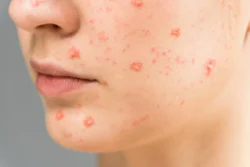
Unlike blisters or pimples filled with pus, papules feel firm when touched. They may appear individually or in clusters and can be skin-colored, red, pink, brown, or purple depending on the cause and your skin tone.
Papules are considered a type of inflammatory skin lesion because they often develop when the skin becomes irritated or inflamed.
What Does a Papule Look Like?
Papules may look different depending on the condition causing them, but they generally have a few common features.
A typical papule is:
- Small and raised
- Solid rather than filled with liquid
- Less than 1 centimeter wide
- Firm to the touch
- Round or slightly irregular in shape
- Red, pink, brown, purple, or skin-colored
Some papules may itch, while others are painful or tender. Many cause no discomfort at all.
Where Can Papules Appear?
Papules can develop almost anywhere on the body.
Common locations include:
- Face
- Forehead
- Nose
- Chin
- Neck
- Chest
- Upper back
- Shoulders
- Arms
- Legs
- Hands
- Feet
- Scalp
The location often gives doctors clues about what may be causing the bumps.
What Causes a Papule?
A papule forms when inflammation develops in the upper layers of the skin. There are many different reasons why this can happen.
Some causes are temporary and harmless, while others may be related to chronic skin conditions.
Below are the most common causes.
Acne
Acne is one of the leading causes of papules.
When oil, dead skin cells, and bacteria clog a hair follicle, the area becomes inflamed. Instead of forming a whitehead or blackhead, the clogged pore may become a red, swollen papule.
Acne papules are commonly found on the:
- Face
- Chest
- Back
- Shoulders
These bumps are usually tender and may later turn into pustules if pus develops inside.
Allergic Reactions
An allergic reaction can trigger papules when the immune system reacts to something it considers harmful.
Common allergy triggers include:
- Certain foods
- Medicines
- Cosmetics
- Skin care products
- Plants
- Animal dander
- Latex
The bumps are often itchy and may appear suddenly after exposure to the allergen.
Contact Dermatitis
Contact dermatitis happens when the skin comes into contact with something that irritates it.
Common irritants include:
- Soaps
- Detergents
- Fragrances
- Cleaning products
- Jewelry containing nickel
- Hair dyes
Papules caused by contact dermatitis usually appear where the skin touches the irritant.
Insect Bites
Many insect bites produce papules.
Common insects include:
- Mosquitoes
- Fleas
- Bed bugs
- Mites
- Ants
These papules are often itchy and may become swollen if scratched.
Eczema
Eczema is a chronic condition that weakens the skin barrier and causes inflammation.
People with eczema may develop:
- Dry skin
- Itching
- Small papules
- Red patches
- Cracked skin
The bumps often become worse during flare-ups.
Psoriasis
Psoriasis is an autoimmune skin condition that speeds up skin cell growth.
Some forms of psoriasis begin with small papules that later develop thick, scaly plaques.
These commonly appear on:
- Knees
- Elbows
- Scalp
- Lower back
Heat Rash
Heat rash develops when sweat becomes trapped beneath the skin.
This often happens during:
- Hot weather
- Humid conditions
- Intense exercise
- Wearing tight clothing
Heat rash usually causes clusters of tiny papules that may sting or itch.
Viral Infections
Several viruses can cause papules.
Examples include:
- Molluscum contagiosum
- Chickenpox during its early stages
- Certain childhood viral rashes
The appearance of the papules depends on the virus responsible.
Bacterial Infections
Some bacterial infections begin as papules before developing into larger bumps filled with pus.
Folliculitis is a common example. It occurs when bacteria infect hair follicles.
Fungal Infections
Certain fungal infections can produce raised papules, especially during the early stages.
Ringworm may begin as small papules before forming a circular rash.
Autoimmune Diseases
Some autoimmune diseases affect the skin and produce papules.
Examples include:
- Lupus
- Lichen planus
- Dermatomyositis
These conditions usually require medical treatment.
Can Stress Cause Papules?
Stress does not directly create papules, but it can make existing skin conditions worse.
For example, stress may increase flare-ups of:
When stress hormones rise, the body produces more oil and inflammation, making papules more likely to appear.
Managing stress through regular exercise, adequate sleep, and relaxation techniques may help reduce flare-ups.
Are Papules Contagious?
The papules themselves are not contagious.
Whether they can spread depends on what caused them.
Papules that are usually not contagious include:
- Acne
- Eczema
- Psoriasis
- Allergic reactions
Papules that may be contagious include:
- Molluscum contagiosum
- Ringworm
- Certain bacterial skin infections
- Some viral skin infections
If you are unsure of the cause, it is best to avoid sharing towels, clothing, or personal items until you have been evaluated by a healthcare provider.
Common Symptoms of Papules
Papules may appear with different symptoms depending on their cause.
You may notice:
- Raised bumps
- Redness
- Tenderness
- Itching
- Mild swelling
- Dry skin
- Rough texture
Some papules occur without any pain or itching.
Others may become irritated if scratched or rubbed by clothing.
Who Is More Likely to Develop Papules?
Anyone can develop papules, but certain people have a higher risk.
These include:
- Teenagers with acne
- People with oily skin
- Individuals with allergies
- People with eczema or psoriasis
- Those living in hot climates
- People who sweat heavily
- Individuals with weakened immune systems
Lifestyle and environmental factors also play an important role.
What Increases the Risk of Papules?
Several factors may increase your chances of developing papules.
These include:
- Poor skin hygiene
- Excess oil production
- Hormonal changes
- Heavy sweating
- Wearing tight clothing
- Using oily skin care products
- Exposure to allergens
- Frequent insect bites
- Chronic skin diseases
Understanding your personal triggers can help reduce future outbreaks.
Papule vs Pustule
Papules and pustules are often confused because they can both appear during an acne breakout. However, they are different types of skin lesions.
Papule
A papule is:
- Small and raised
- Solid
- Red or pink
- Not filled with pus
Papules develop when the wall of a clogged pore becomes inflamed.
Pustule
A pustule is:
- Raised
- Filled with pus
- Usually has a white or yellow center
- Often surrounded by red skin
A papule may turn into a pustule if bacteria and white blood cells collect inside the bump.
Papule vs Nodule
A nodule is much deeper than a papule.
Papule
- Small
- Surface level
- Usually heals without severe scarring
Nodule
- Larger
- Develops deeper under the skin
- Often painful
- May require prescription treatment
- More likely to leave scars
Papule vs Macule
A macule is completely flat.
Examples of macules include:
- Freckles
- Flat birthmarks
- Small areas of skin discoloration
Unlike a papule, a macule cannot be felt because it is not raised above the skin.
Papule vs Vesicle
A vesicle is a small blister.
Papule
- Solid
- No fluid inside
Vesicle
- Filled with clear fluid
- Soft
- Commonly seen with burns, chickenpox, or allergic skin reactions
Papule vs Cyst
Cysts and papules are very different.
Papule
- Small
- Firm
- Close to the surface
Cyst
- Larger
- Develops deeper under the skin
- Filled with fluid, pus, or thick material
- May continue growing over time
Cysts often require medical treatment if they become painful or infected.
Are Papules Dangerous?
Most papules are harmless and improve with proper treatment.
However, they can sometimes indicate an underlying medical condition that needs professional care.
You should pay attention if the papules:
- Continue growing
- Spread quickly
- Become very painful
- Bleed
- Develop pus
- Last for several weeks
- Keep coming back
These symptoms should be evaluated by a healthcare provider.
How Are Papules Diagnosed?
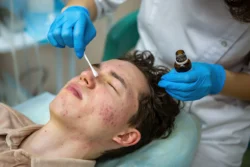
In most cases, a healthcare provider can diagnose papules by examining the skin.
During your appointment, they may ask questions such as:
- When did the bumps first appear?
- Do they itch or hurt?
- Have you started using any new skin products?
- Have you recently started a new medication?
- Do you have allergies?
- Does anyone in your family have similar skin conditions?
Sometimes additional testing is needed.
These tests may include:
- Skin scraping
- Skin biopsy
- Allergy testing
- Blood tests
- Skin culture
These tests help identify infections or less common skin conditions.
How Are Papules Treated?
Treatment depends entirely on what is causing the papules.
There is no single treatment that works for every case.
Acne Papules Treatment
For acne, treatment may include:
- Salicylic acid
- Benzoyl peroxide
- Topical retinoids
- Prescription antibiotic creams
- Oral antibiotics for more severe acne
Regular skincare is also important for preventing future breakouts.
Allergic Papules Treatment
If allergies are responsible, treatment may include:
- Oral antihistamines
- Steroid creams
- Avoiding the trigger
Most allergic papules improve once the allergen is removed.
Contact Dermatitis Papules Treatment
Treatment usually involves:
- Avoiding the irritating product
- Applying soothing moisturizers
- Using topical corticosteroid creams if recommended by your healthcare provider
Insect Bite Papules Treatment
Most insect bites improve within several days.
Helpful treatments include:
- Cold compresses
- Anti-itch creams
- Calamine lotion
- Oral antihistamines if itching is severe
Avoid scratching because broken skin can become infected.
Eczema Papules Treatment
Managing eczema usually includes:
- Daily moisturizers
- Prescription steroid creams
- Gentle cleansers
- Avoiding triggers
Keeping the skin hydrated helps reduce flare-ups.
Psoriasis Papules Treatment
Treatment may involve:
- Prescription creams
- Light therapy
- Oral medications
- Biologic medicines for severe cases
Treatment depends on the severity of the condition.
Fungal Infections Papules Treatment
Doctors often prescribe antifungal creams or oral antifungal medicines depending on the infection.
Bacterial Infections Papules Treatment
Bacterial skin infections may require:
- Antibiotic creams
- Oral antibiotics
- Proper wound care
Completing the full course of antibiotics is important if prescribed.
Home Remedies for Mild Papules
Many mild papules improve with basic skin care. You can try the following:
Wash Gently
Clean the affected area with a mild cleanser.
Avoid scrubbing because it can worsen inflammation.
Use a Cool Compress
A cool compress may reduce:
- Itching
- Redness
- Swelling
Apply it for about 10 to 15 minutes several times a day.
Moisturize Regularly
Dry skin can worsen irritation.
Choose a fragrance-free moisturizer if your skin is sensitive.
Avoid Picking the Bumps
Picking papules can:
- Increase inflammation
- Cause infection
- Leave scars
- Slow healing
It is best to leave them alone.
Wear Loose Clothing
Tight clothing creates friction that may irritate papules.
Choose breathable fabrics whenever possible.
Stay Hydrated
Drinking enough water supports healthy skin and helps maintain the skin barrier.
Should You Pop a Papule?
No.
Unlike pimples filled with pus, papules should never be squeezed.
Trying to pop them may:
- Push inflammation deeper into the skin
- Increase swelling
- Spread bacteria
- Cause permanent scars
- Delay healing
If a papule becomes worse or does not improve, seek medical advice instead.
How Long Do Papules Last?
Healing time depends on the cause.
Here are some general timelines:
- Acne papules may last one to three weeks.
- Insect bites often improve within a week.
- Heat rash usually clears within a few days.
- Allergic reactions often improve once the trigger is removed.
- Chronic skin diseases may cause papules that come and go over months or years.
Proper treatment often shortens healing time.
Can Papules Leave Scars?
Yes, some papules can leave scars.
This is especially true if they are:
- Picked
- Squeezed
- Repeatedly scratched
- Severely inflamed
Acne papules are among the most common causes of acne scars.
Treating them early reduces the risk of permanent marks.
How to Prevent Papules
Although not every papule can be prevented, healthy skin care habits can lower your risk.
Keep Your Skin Clean
Wash your skin gently once or twice a day using a mild cleanser.
Avoid harsh soaps that strip natural oils.
Choose Skin-Friendly Products
Use products labeled:
- Non-comedogenic
- Oil-free
- Fragrance-free if you have sensitive skin
These products are less likely to clog pores or irritate the skin.
Avoid Touching Your Face
Your hands carry dirt, oil, and bacteria.
Touching your face frequently can increase irritation and acne breakouts.
Protect Yourself From Insect Bites
When spending time outdoors:
- Use insect repellent
- Wear long sleeves
- Avoid standing water where mosquitoes breed
Identify Skin Triggers
If certain soaps, cosmetics, or fabrics cause skin reactions, stop using them.
Keeping a symptom diary can help identify triggers.
Stay Cool
Heat and sweating may contribute to certain papules.
Try to:
- Wear lightweight clothing
- Stay in cool environments
- Shower after heavy exercise
Eat a Healthy Diet
A balanced diet supports healthy skin.
Include plenty of:
- Fruits
- Vegetables
- Whole grains
- Lean protein
- Healthy fats
Although diet is not the direct cause of every papule, good nutrition helps support skin health.
When Should You See a Doctor?
Most papules improve without serious problems.
However, you should see a healthcare provider if:
- The bumps continue spreading.
- They become very painful.
- They produce pus.
- You develop a fever.
- They bleed easily.
- They do not improve after several weeks.
- You are unsure of the cause.
- They return frequently.
- You notice changes in color, size, or shape.
Prompt treatment can help prevent complications.
FAQs About Papules
Are papules the same as pimples?
No. Papules are one type of inflammatory skin lesion. Some pimples are papules, while others may be pustules, nodules, or cysts.
Can papules go away on their own?
Yes. Many papules caused by mild irritation, acne, or insect bites heal without medical treatment.
Are papules contagious?
Only if the condition causing them is contagious. Acne and eczema are not contagious, but some viral, fungal, or bacterial infections can spread.
Do papules always itch?
No. Some papules itch, while others are painless.
Can stress make papules worse?
Yes. Stress can worsen conditions like acne, eczema, and psoriasis, increasing the likelihood of papules.
Can makeup cause papules?
Heavy or oil-based makeup may clog pores and contribute to acne-related papules. Using non-comedogenic makeup can help reduce this risk.
Are papules common in children?
Yes. Children often develop papules from insect bites, allergies, eczema, viral infections, and heat rash.
Can papules become infected?
Yes. Repeated scratching or picking can introduce bacteria into the skin and lead to infection.
Should I cover papules with a bandage?
Most papules do not need to be covered unless they are being irritated by clothing or your healthcare provider recommends it.
Can papules come back?
Yes. If the underlying condition, such as acne, eczema, or psoriasis, is chronic, papules may return during flare-ups.
Conclusion
A papule is a small, solid, raised bump on the skin that does not contain fluid or pus. It can develop because of acne, allergies, insect bites, eczema, psoriasis, infections, and many other skin conditions. While most papules are harmless and improve with simple care, some may require medical treatment depending on the underlying cause.
The best approach is to avoid picking or scratching the bumps, follow a gentle skincare routine, and identify any possible triggers. If papules become painful, spread rapidly, show signs of infection, or do not improve after several weeks, consult a healthcare provider for an accurate diagnosis and appropriate treatment. With proper care, most papules heal well and healthy skin can often be maintained.
Disclaimer: This article is for informational purposes only and is not a substitute for professional medical advice, diagnosis, or treatment. Always consult a healthcare provider for any skin concerns or before starting treatment.

Comprehensive Skincare for Patients of All Ages
BOOK AN APPOINTMENTSince 1982, Palm Beach Dermatology Group has developed treatment plans that reflect our patients’ goals for healthy and beautiful skin. The doctors and professionals on our team have attended top schools, like Brown University, NYU, and the University of Miami, received special honors, and contributed to esteemed medical journals.
Our background and knowledge of the latest pharmaceutical technologies enable us to uphold the highest safety standards and deliver quality service and care to our patients. At PGA Dermatology Skin & Aesthetics Center, we make you feel comfortable and treat you like family from the moment you step inside our waiting room.