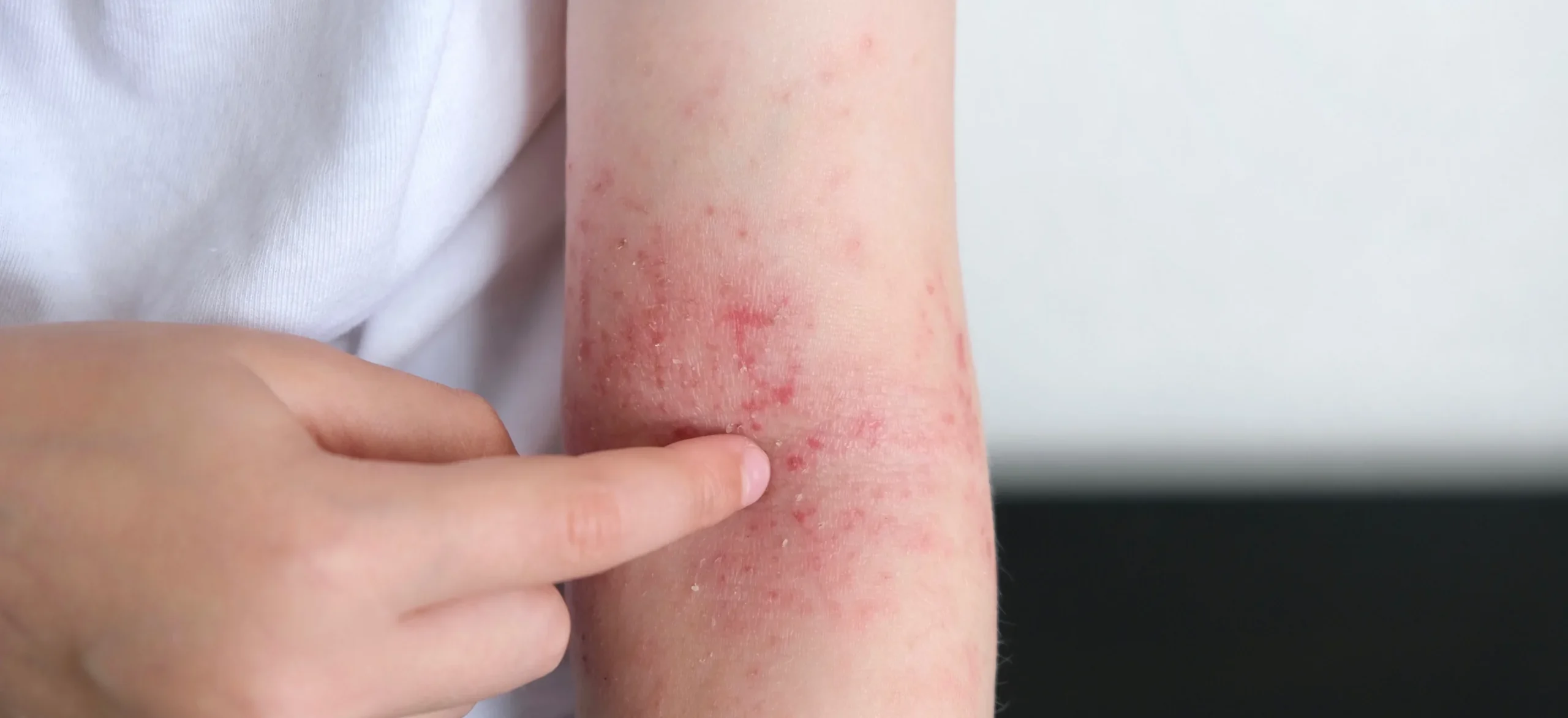
Psoriasis vs Eczema: Understanding the Key Differences
Skin conditions can be frustrating, uncomfortable, and sometimes difficult to identify. Two of the most commonly confused skin conditions are psoriasis and eczema. Both can cause red, itchy, inflamed patches of skin, making it challenging for people to tell them apart. However, while they may look similar, psoriasis and eczema are different conditions with unique causes, symptoms, and treatment approaches.
Understanding the differences between psoriasis and eczema is important for getting the right diagnosis and treatment. This guide explores everything you need to know about psoriasis vs eczema, including symptoms, causes, risk factors, treatment options, and ways to manage both conditions effectively.
What Is Psoriasis?
Psoriasis is a chronic autoimmune skin condition that causes skin cells to grow much faster than normal. In healthy skin, new skin cells develop and replace old cells over several weeks. In people with psoriasis, this process occurs within a few days, causing skin cells to build up on the surface.
This buildup creates thick, scaly patches that can become inflamed, itchy, and sometimes painful.
Psoriasis is not contagious and cannot be spread from one person to another.
Common Types of Psoriasis
Plaque Psoriasis
Plaque psoriasis is the most common type. It causes raised, red patches covered with silvery-white scales.
Guttate Psoriasis
This type appears as small, drop-shaped spots and often develops after infections such as strep throat.
Inverse Psoriasis
Inverse psoriasis affects skin folds such as the armpits, groin, and under the breasts.
Pustular Psoriasis
This form causes pus-filled blisters surrounded by red skin.
Erythrodermic Psoriasis
A rare but serious type that can affect large areas of the body and requires immediate medical attention.
What Is Eczema?
Eczema, also known as atopic dermatitis, is a chronic inflammatory skin condition that causes dry, itchy, and irritated skin. It often begins during childhood but can affect people of any age.
Unlike psoriasis, eczema is primarily associated with a weakened skin barrier and an overactive immune response to environmental triggers.
Eczema is also not contagious.
Types of Eczema
Atopic Dermatitis
The most common form of eczema.
Contact Dermatitis
Develops when the skin reacts to an irritant or allergen.
Dyshidrotic Eczema
Causes small, itchy blisters on the hands and feet.
Nummular Eczema
Characterized by coin-shaped patches of irritated skin.
Seborrheic Dermatitis
Often affects the scalp and oily areas of the body.
Psoriasis vs Eczema: Main Differences
Although psoriasis and eczema share some symptoms, several important differences can help distinguish them.
| Feature | Psoriasis | Eczema |
| Cause | Autoimmune condition | Immune response and skin barrier dysfunction |
| Appearance | Thick, scaly plaques | Dry, inflamed patches |
| Itching | Mild to moderate | Often severe |
| Skin Texture | Thick and raised | Dry and rough |
| Common Age | Adults | Often begins in childhood |
| Typical Locations | Elbows, knees, scalp | Hands, face, neck, skin folds |
| Pain | More common | Less common |
| Scaling | Thick silvery scales | Usually less scaling |
Causes of Psoriasis
The exact cause of psoriasis is not fully understood, but researchers believe it involves a combination of genetics and immune system dysfunction.
In psoriasis, the immune system mistakenly attacks healthy skin cells, causing rapid skin cell production.
Risk Factors for Psoriasis
- Family history
- Smoking
- Obesity
- Stress
- Infections
- Certain medications
- Skin injuries
Causes of Eczema
Eczema develops due to a combination of genetic and environmental factors.
People with eczema often have a weakened skin barrier that allows moisture to escape and irritants to enter.
Risk Factors for Eczema
- Family history of eczema
- Asthma
- Seasonal allergies
- Dry skin
- Environmental irritants
- Harsh soaps
- Weather changes
Symptoms of Psoriasis
Symptoms can vary depending on the type and severity.
Common psoriasis symptoms include:
- Red patches of skin
- Thick scales
- Dry cracked skin
- Burning sensation
- Itching
- Skin pain
- Nail changes
- Joint pain in some cases
Nail Psoriasis
Psoriasis can affect fingernails and toenails, causing:
- Pitting
- Thickening
- Discoloration
- Nail separation
Symptoms of Eczema
Eczema symptoms can range from mild to severe.
Common symptoms include:
- Intense itching
- Dry skin
- Redness
- Swelling
- Crusting
- Skin sensitivity
- Oozing in severe cases
The itching associated with eczema is often more intense than that experienced with psoriasis.
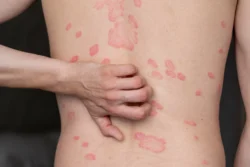
Where Psoriasis and Eczema Commonly Appear
Psoriasis Locations
Psoriasis often affects:
- Elbows
- Knees
- Scalp
- Lower back
- Hands
- Feet
Eczema Locations
Eczema commonly affects:
- Face
- Neck
- Hands
- Wrists
- Behind the knees
- Inside the elbows
Children with eczema frequently develop symptoms on the cheeks and scalp.
Itching: Psoriasis vs Eczema
One of the biggest differences between psoriasis and eczema is the severity of itching.
Psoriasis Itching
Psoriasis can itch, but many people describe it as burning, stinging, or soreness rather than intense itching.
Eczema Itching
Eczema often causes severe itching that can interfere with sleep and daily activities.
Scratching may worsen symptoms and increase the risk of infection.
Appearance Differences
Psoriasis Appearance
Psoriasis plaques are:
- Thick
- Raised
- Well defined
- Covered with silvery scales
Eczema Appearance
Eczema patches are:
- Dry
- Red
- Less defined
- Sometimes oozing or crusting
The appearance can vary based on skin tone and severity.
Can You Have Both Psoriasis and Eczema?
Yes.
Although uncommon, some people can develop both conditions at the same time.
This can make diagnosis more challenging and may require evaluation by a dermatologist.
How Doctors Diagnose Psoriasis and Eczema
A dermatologist can often diagnose psoriasis or eczema by examining the skin.
Medical History
Doctors may ask about:
- Family history
- Symptoms
- Allergies
- Triggers
- Previous skin conditions
Physical Examination
The location and appearance of skin lesions often provide important clues.
Skin Biopsy
In uncertain cases, a small skin sample may be examined under a microscope.
Treatment for Psoriasis
There is no cure for psoriasis, but treatment can help control symptoms and reduce flare-ups.
Topical Treatments
Common options include:
- Corticosteroid creams
- Vitamin D analogs
- Coal tar products
- Salicylic acid
Light Therapy
Controlled exposure to ultraviolet light can slow skin cell growth.
Systemic Medications
For moderate to severe psoriasis, doctors may prescribe:
- Methotrexate
- Cyclosporine
- Biologic medications
Lifestyle Changes
Managing stress, maintaining a healthy weight, and avoiding triggers can help reduce symptoms.
Treatment for Eczema
Eczema treatment focuses on restoring the skin barrier and reducing inflammation.
Moisturizers
Daily moisturizing is one of the most important treatments.
Topical Corticosteroids
These medications reduce inflammation and itching.
Prescription Creams
Doctors may prescribe:
- Calcineurin inhibitors
- PDE4 inhibitors
- JAK inhibitors
Antihistamines
These may help reduce itching and improve sleep.
Biologic Treatments
Some people with severe eczema benefit from advanced biologic therapies.
Triggers for Psoriasis
Common psoriasis triggers include:
- Stress
- Smoking
- Alcohol
- Skin injuries
- Infections
- Certain medications
- Cold weather
Identifying personal triggers can help reduce flare-ups.
Triggers for Eczema
Eczema triggers vary among individuals.
Common triggers include:
- Dry air
- Hot showers
- Fragrances
- Detergents
- Dust mites
- Pet dander
- Stress
- Sweating
Avoiding triggers is an important part of eczema management.
Complications of Psoriasis
Without proper treatment, psoriasis may lead to complications.
Psoriatic Arthritis
Some people develop joint inflammation known as psoriatic arthritis.
Symptoms include:
- Joint pain
- Stiffness
- Swelling
Mental Health Impact
Chronic skin conditions can affect confidence and emotional well-being.
Complications of Eczema
Severe eczema may increase the risk of:
- Skin infections
- Sleep disturbances
- Anxiety
- Depression
- Thickened skin from scratching
Proper treatment can help reduce these risks.
Living With Psoriasis
Managing psoriasis often requires a combination of medical treatment and lifestyle changes.
Helpful strategies include:
- Following treatment plans
- Keeping skin moisturized
- Managing stress
- Avoiding smoking
- Limiting alcohol
Regular follow-up with a healthcare provider is important.
Living With Eczema
People with eczema can often reduce flare-ups by:
- Moisturizing regularly
- Avoiding triggers
- Wearing soft fabrics
- Taking shorter showers
- Using gentle skin care products
Consistency is key for long-term symptom control.
Diet and Skin Health
Although no single diet cures psoriasis or eczema, healthy eating may support overall skin health.
Consider including:
- Fruits
- Vegetables
- Whole grains
- Lean proteins
- Healthy fats
Staying hydrated may also help support skin function.
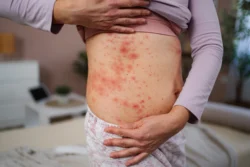
When to See a Doctor
You should seek medical advice if:
- Symptoms worsen
- Home treatments are ineffective
- Skin becomes infected
- Sleep is disrupted
- Joint pain develops
- Large areas of skin are affected
Early treatment may help prevent complications.
Frequently Asked Questions
1. Can psoriasis and eczema appear on the scalp?
Yes, both conditions can affect the scalp, but psoriasis often causes thicker scales while eczema usually leads to flaky, itchy skin.
2. Does weather affect psoriasis and eczema differently?
Yes. Cold and dry weather can worsen both conditions, while some people with psoriasis notice improvement with moderate sun exposure.
3. Can psoriasis or eczema spread to other parts of the body?
Both conditions can appear in multiple areas, but they are not contagious and cannot spread from person to person.
4. Are psoriasis and eczema linked to allergies?
Eczema is commonly associated with allergies, asthma, and hay fever, while psoriasis is generally not considered an allergic condition.
5. Can makeup and skincare products worsen psoriasis or eczema?
Certain products containing fragrances, alcohol, or harsh chemicals may irritate the skin and trigger flare-ups in some individuals.
6. Is psoriasis or eczema more common in adults?
Eczema is more common in children, while psoriasis is often diagnosed during adulthood, although both can occur at any age.
7. Can stress management help reduce flare-ups?
Yes. Stress is a common trigger for both psoriasis and eczema, and stress reduction techniques may help improve symptoms.
8. Do psoriasis and eczema increase the risk of skin infections?
Eczema can increase the risk of skin infections due to scratching and skin barrier damage. Severe psoriasis can also lead to skin complications if not properly managed.
9. Can exercise help improve psoriasis or eczema symptoms?
Regular exercise may help reduce stress and support overall health, which can be beneficial for managing both conditions.
10. How long do psoriasis and eczema flare-ups usually last?
The duration varies by individual. Flare-ups may last a few days, several weeks, or even longer depending on triggers, severity, and treatment effectiveness.
Conclusion
Psoriasis and eczema are two common skin conditions that share some similarities but have important differences. Psoriasis is an autoimmune condition that causes thick, scaly plaques, while eczema is primarily linked to skin barrier dysfunction and often causes intense itching and dry skin.
Understanding the differences between psoriasis vs eczema can help individuals recognize symptoms, seek proper medical care, and follow effective treatment plans. Although neither condition currently has a cure, many treatment options are available to manage symptoms, reduce flare-ups, and improve quality of life.
If you are unsure whether your skin symptoms are caused by psoriasis or eczema, consulting a healthcare professional or dermatologist is the best way to obtain an accurate diagnosis and personalized treatment plan.

Comprehensive Skincare for Patients of All Ages
BOOK AN APPOINTMENTSince 1982, Palm Beach Dermatology Group has developed treatment plans that reflect our patients’ goals for healthy and beautiful skin. The doctors and professionals on our team have attended top schools, like Brown University, NYU, and the University of Miami, received special honors, and contributed to esteemed medical journals.
Our background and knowledge of the latest pharmaceutical technologies enable us to uphold the highest safety standards and deliver quality service and care to our patients. At PGA Dermatology Skin & Aesthetics Center, we make you feel comfortable and treat you like family from the moment you step inside our waiting room.