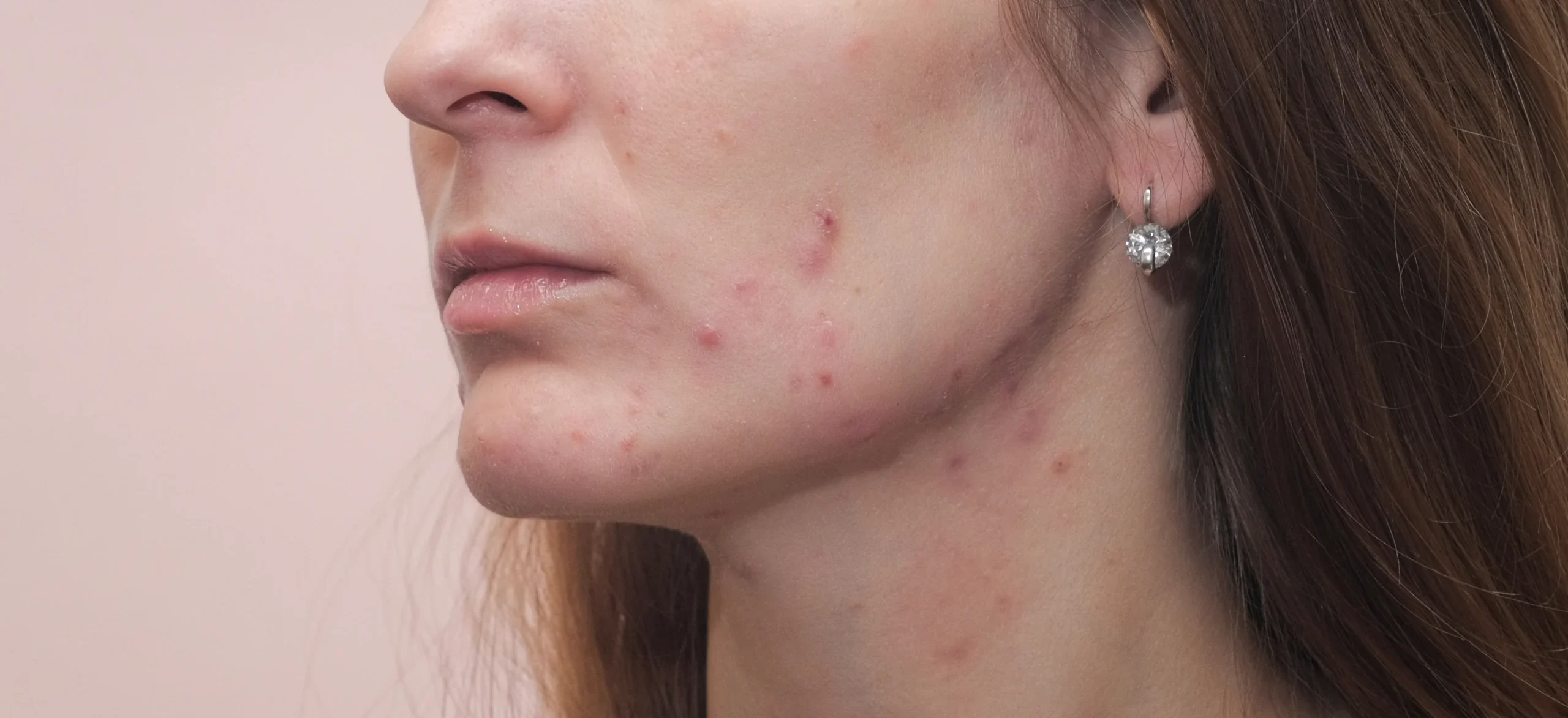
How to Treat Hormonal Acne? A Complete Step by Step Guide
Hormonal acne is one of the most stubborn and emotionally frustrating skin concerns people deal with. It does not behave like typical acne that comes and goes with poor skincare habits or occasional lifestyle triggers. Instead, it is deeply connected to internal hormonal fluctuations, which means it often persists despite using popular skincare products. Many people feel stuck in a cycle where breakouts improve briefly and then return again, especially around certain times of the month.
The important thing to understand is that hormonal acne is not random. It follows patterns, has clear triggers, and responds well to the right combination of treatments. Once you understand what is happening beneath the surface of your skin, you can build a routine that actually works rather than constantly switching products and hoping for quick fixes.
This guide is designed to give you a complete and realistic approach to treating hormonal acne. It covers causes, symptoms, skincare routines, medical treatments, diet, and lifestyle strategies so you can take control of your skin in a sustainable way.
Understanding Hormonal Acne
Hormonal acne is primarily driven by androgens, which are hormones that increase oil production in the skin. When these hormones fluctuate or become elevated, your sebaceous glands produce more oil than necessary. This excess oil mixes with dead skin cells and bacteria, leading to clogged pores and inflammation.
Unlike surface level acne, hormonal acne tends to form deeper under the skin. It is often more painful, slower to heal, and more likely to leave marks or scars.
Common Signs of Hormonal Acne
- Breakouts concentrated along the jawline, chin, and lower cheeks
- Deep, cystic pimples that do not easily come to a head
- Acne that flares up before menstruation
- Persistent breakouts despite consistent skincare
- Oily skin combined with inflamed lesions
Hormonal acne can affect both teenagers and adults, but it is particularly common in adult women due to monthly hormonal cycles.
Root Causes of Hormonal Acne
To treat hormonal acne effectively, you need to address the root causes rather than just the visible symptoms.
Menstrual Cycle Fluctuations
Hormone levels naturally shift throughout the month. In the days leading up to your period, estrogen levels drop while androgens have a stronger effect. This triggers increased oil production and clogged pores.
Medical Conditions
Conditions like Polycystic Ovary Syndrome can lead to consistently elevated androgen levels. This often results in chronic acne, irregular periods, and other symptoms.
Stress and Cortisol
Stress increases cortisol levels, which can indirectly stimulate oil glands. Chronic stress creates a hormonal imbalance that worsens acne over time.
Diet and Insulin Spikes
Foods that cause rapid spikes in blood sugar may increase insulin levels. Higher insulin can stimulate androgen activity, which contributes to acne in some individuals.
Sleep and Lifestyle Patterns
Poor sleep, lack of exercise, and inconsistent routines can disrupt hormone regulation, making acne more difficult to manage.
Step 1: Build a Targeted Skincare Routine
A consistent skincare routine is the foundation of treating hormonal acne. However, the key is using the right ingredients rather than overloading your skin with too many products.
Gentle Cleansing
Cleanse your face twice daily using a mild, non stripping cleanser. Harsh cleansers can damage your skin barrier and trigger more oil production.
Chemical Exfoliation
Use exfoliating acids a few times a week to keep pores clear. Salicylic acid is especially effective because it penetrates oil and cleans inside pores.
Retinoids for Cell Turnover
Retinoids are one of the most effective treatments for hormonal acne. They increase skin cell turnover, prevent clogged pores, and improve overall texture over time.
Start slowly to avoid irritation and gradually increase usage as your skin adapts.
Hydration and Moisturizing
Many people with acne skip moisturizer, but this can backfire. Dehydrated skin often produces more oil. Use a lightweight, non comedogenic moisturizer to maintain balance.
Sun Protection
Daily sunscreen is essential, especially when using active ingredients. It protects your skin from damage and prevents post acne marks from darkening.
Step 2: Use Proven Active Ingredients
Choosing the right ingredients can significantly improve your results.
- Salicylic acid helps unclog pores and reduce inflammation
- Benzoyl peroxide targets acne causing bacteria
- Niacinamide reduces oil production and calms redness
- Azelaic acid helps with both acne and pigmentation
- Retinoids regulate skin turnover and prevent new breakouts
Avoid using too many strong actives at once. A simple routine with consistent use is more effective than an aggressive routine that irritates your skin.
Step 3: Consider Medical Treatments
If your acne is persistent or severe, over the counter solutions may not be enough.
Hormonal Therapy
Birth control pills can regulate hormone levels and reduce acne in some individuals.
Anti Androgen Medications
Spironolactone is commonly prescribed to reduce androgen effects on the skin. It lowers oil production and is especially effective for hormonal acne in women.
Oral Antibiotics
These may be prescribed short term to reduce inflammation and bacterial growth, but they are not a long term solution.
Dermatologist Guidance
A dermatologist can create a personalized treatment plan based on your skin type, severity, and underlying causes.
Step 4: Adjust Your Diet Thoughtfully
Diet affects people differently, but certain patterns are worth paying attention to.
Reduce High Glycemic Foods
Sugary foods and refined carbohydrates can spike insulin levels, which may worsen acne.
Monitor Dairy Intake
Some individuals notice increased breakouts after consuming dairy. You do not need to eliminate it completely, but tracking your intake can help identify patterns.
Focus on Nutrient Dense Foods
Include:
- Leafy greens
- Healthy fats like nuts and seeds
- Lean proteins
- Whole grains
These support overall hormonal balance and skin health.
Step 5: Manage Stress Effectively
Stress is often underestimated as a trigger for hormonal acne.
Practical Stress Reduction Techniques
- Regular physical activity
- Meditation or breathing exercises
- Journaling
- Setting boundaries in work and personal life
Even small changes in your daily routine can have a noticeable impact on your skin over time.
Step 6: Improve Sleep Quality
Sleep plays a critical role in hormone regulation and skin repair.
Aim for 7 to 9 hours of quality sleep each night. Poor sleep can increase cortisol levels and disrupt your skin’s healing process.
Create a consistent sleep schedule and limit screen exposure before bedtime.
Step 7: Avoid Common Skincare Mistakes
Many people unintentionally worsen their acne through everyday habits.
- Over exfoliating can damage your skin barrier
- Picking at acne increases inflammation and scarring
- Using too many products can overwhelm your skin
- Changing routines too frequently prevents you from seeing results
Consistency and patience are more important than trying every new product.
Step 8: Support Your Skin From Within
In addition to skincare and diet, certain supplements and habits may support your skin.
- Zinc may help regulate oil production
- Omega 3 fatty acids support inflammation control
- Drinking enough water keeps your skin hydrated
Always consult a healthcare professional before starting supplements.
Step 9: Track Your Acne Patterns
Hormonal acne often follows a predictable cycle. Keeping track of your breakouts can help you understand triggers and timing.
Note:
- When breakouts occur
- Severity and location
- Diet and stress levels
- Menstrual cycle timing
This information can help you adjust your routine more effectively.
Step 10: Be Patient and Stay Consistent
Hormonal acne treatment is not a quick fix. It typically takes several weeks to months to see meaningful improvement.
Avoid the temptation to switch products too quickly. Give each treatment enough time to work and make gradual adjustments as needed.
When to Seek Professional Help
You should consider seeing a dermatologist if:
- Your acne is painful or cystic
- Over the counter treatments are not working
- You are experiencing scarring
- Your acne is affecting your confidence or mental well being
Professional guidance can save you time and prevent long term skin damage.
Hormonal Acne Long Term Prevention Strategies
Once your acne improves, maintaining results becomes the priority.
- Stick to a simplified skincare routine
- Continue using key ingredients like retinoids
- Manage stress and sleep consistently
- Monitor diet and lifestyle triggers
- Schedule regular skin checkups if needed
Hormonal acne may not disappear completely, but it can become manageable and far less severe.
Frequently Asked Questions
Can hormonal acne go away on its own without treatment?
In some cases it may improve over time, especially with age or hormonal changes, but most people need a consistent routine or treatment plan to manage it effectively.
Does drinking more water help clear hormonal acne?
Staying hydrated supports overall skin health, but it will not directly cure hormonal acne without addressing underlying causes.
Can makeup worsen hormonal acne?
Yes, using heavy or comedogenic makeup can clog pores and aggravate acne. Choosing non comedogenic products and removing makeup properly is important.
Is it safe to use multiple acne treatments at the same time?
Using too many active ingredients together can irritate your skin. It is better to introduce products gradually and keep your routine simple.
Can weather or climate affect hormonal acne?
Yes, humidity, heat, and pollution can increase oil production and worsen breakouts, especially in acne prone skin.
Does exercise help reduce hormonal acne?
Regular exercise can help regulate hormones and reduce stress, but proper hygiene like cleansing after sweating is essential to prevent breakouts.
Can hormonal acne appear suddenly in adulthood?
Yes, many people experience adult onset hormonal acne due to stress, lifestyle changes, or hormonal imbalances.
Are facial treatments like chemical peels helpful for hormonal acne?
They can help improve skin texture and reduce clogged pores, but they work best when combined with a consistent skincare routine.
Can hormonal acne affect areas other than the face?
Yes, it can also appear on the chest, back, shoulders, and even the neck.
How long should I wait before deciding if a treatment is working?
Most treatments take at least 6 to 12 weeks to show noticeable improvement, so patience is essential.
Conclusion
Treating hormonal acne requires a balanced and long term approach rather than quick fixes or constantly changing products. Because it is driven by internal hormonal fluctuations, the most effective results come from combining targeted skincare, supportive lifestyle habits, and when needed, medical treatments. Consistency is what makes the biggest difference. When you stick to a routine, give your skin time to respond, and make gradual adjustments based on what works for you, improvement becomes much more achievable.
It is also important to remember that hormonal acne does not define your skin forever. With the right strategy, you can reduce breakouts, prevent scarring, and regain confidence in your skin. Focus on progress rather than perfection, and treat your skin with patience and care. Over time, these small consistent efforts lead to lasting results.

Comprehensive Skincare for Patients of All Ages
BOOK AN APPOINTMENTSince 1982, Palm Beach Dermatology Group has developed treatment plans that reflect our patients’ goals for healthy and beautiful skin. The doctors and professionals on our team have attended top schools, like Brown University, NYU, and the University of Miami, received special honors, and contributed to esteemed medical journals.
Our background and knowledge of the latest pharmaceutical technologies enable us to uphold the highest safety standards and deliver quality service and care to our patients. At PGA Dermatology Skin & Aesthetics Center, we make you feel comfortable and treat you like family from the moment you step inside our waiting room.