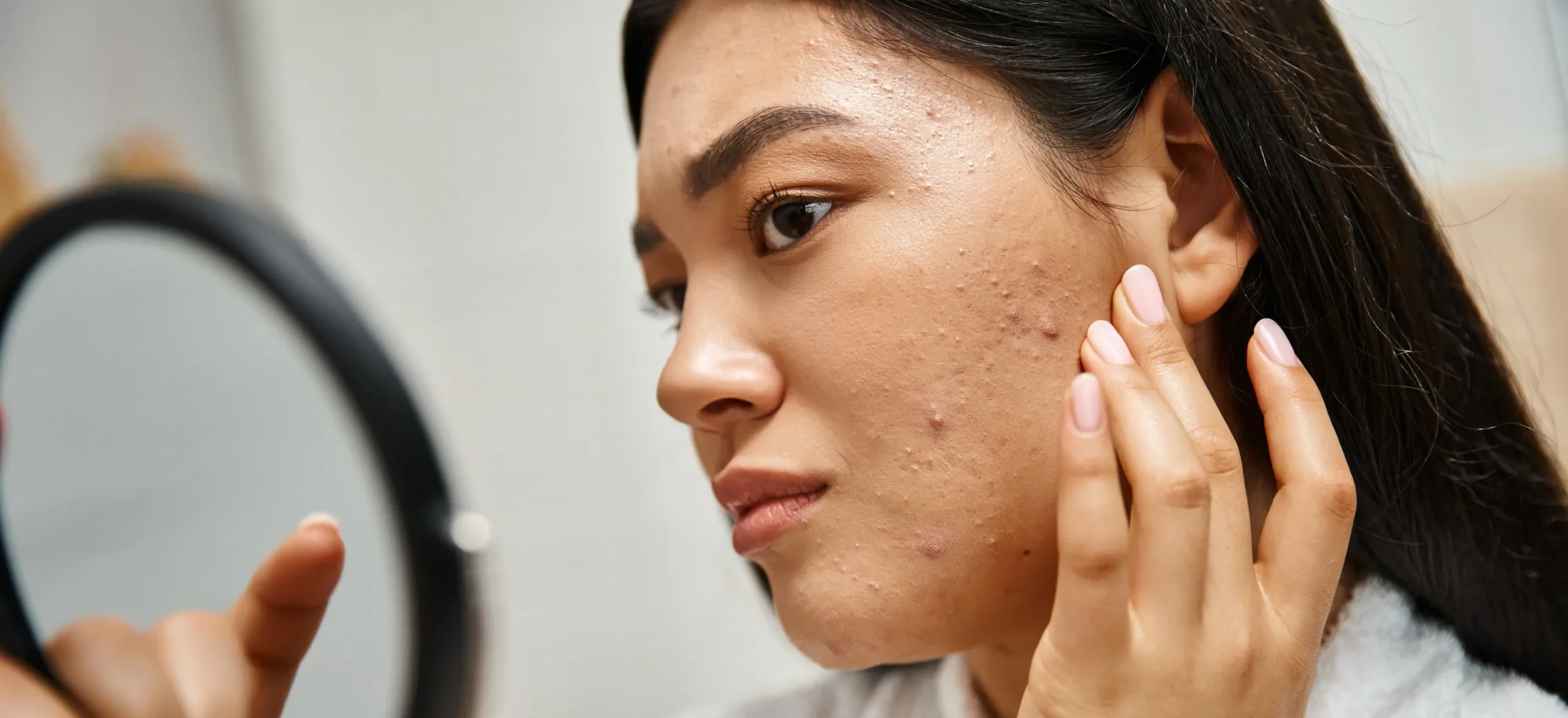
Does Stress Cause Acne? Signs, Tips & Myths
Acne is one of the most common skin concerns people face at different stages of life. While many factors like hormones, diet, and skincare are often discussed, one question continues to come up does stress cause acne
The answer is not completely simple, but research and experience show that stress can play a significant role in triggering and worsening acne. It may not be the only cause, but it can influence how your skin behaves.
In this guide, we will explain everything in simple words so you can understand the connection between stress and acne, how it affects your skin, and what you can do to manage it.
What Is Acne and How It Forms
Before understanding stress, it is important to know how acne develops.
Acne happens when your pores get clogged with oil, dead skin cells, and sometimes bacteria. This can lead to different types of breakouts such as
Your skin produces oil called sebum. This oil helps protect your skin, but too much of it can clog pores. When pores are blocked, bacteria can grow and cause inflammation, leading to acne.
Many factors can affect this process, including hormones, lifestyle, and yes, stress.
What Is Stress and How It Affects Your Body
Stress is your body’s natural response to pressure or challenges. It can be caused by work, studies, relationships, lack of sleep, or daily life situations.
When you are stressed, your body releases certain hormones like cortisol. These hormones prepare your body to handle the situation, but they also affect different systems in your body, including your skin.
Short term stress is normal and not always harmful. However, long term or frequent stress can start to impact your health in many ways.
Does Stress Cause Acne
Stress does not directly create acne from nothing, but it can trigger processes that make acne more likely.
It mainly affects acne in three ways
- It increases oil production
- It causes inflammation
- It affects your skin’s healing process
So while stress may not be the root cause for everyone, it can definitely make acne worse or more frequent.
How Stress Triggers Acne
Increased oil production
When stress levels rise, your body produces more cortisol. This hormone can signal your oil glands to produce more sebum.
More oil means a higher chance of clogged pores, which can lead to breakouts.
Hormonal imbalance
Stress can affect other hormones in your body as well. These hormonal changes can increase acne, especially in areas like the face, chest, and back.
Inflammation
Stress can increase inflammation in the body. Acne is already an inflammatory condition, so this can make pimples more red, swollen, and painful.
Slower healing
When you are stressed, your body focuses on handling stress rather than repairing your skin. This can slow down healing and make acne last longer.
Signs That Stress Is Affecting Your Skin
You may notice that stress is impacting your acne if
- Breakouts appear during stressful periods
- Acne gets worse during exams, deadlines, or emotional stress
- Your skin becomes more oily than usual
- Pimples take longer to heal
Many people notice patterns where their skin reacts during stressful times.
Stress Acne vs Hormonal Acne
Stress acne and hormonal acne can look similar, but there are slight differences.
Stress acne can appear anywhere on the face and may come and go based on your stress levels.
Hormonal acne often appears on the lower face, like the jawline and chin, and follows a regular pattern.
In many cases, both types can overlap, making it harder to tell the exact cause.
Can Stress Alone Cause Severe Acne
Stress alone usually does not cause severe acne, but it can make existing acne worse.
If someone already has acne prone skin, stress can increase the frequency and intensity of breakouts.
For severe acne, there are usually multiple factors involved such as hormones, genetics, and skincare habits.
The Role of Lifestyle During Stress
Stress often affects your daily habits, which can also impact your skin.
Poor sleep
Lack of sleep can increase stress hormones and affect skin repair.
Unhealthy eating
People may consume more sugary or processed foods during stress, which can contribute to acne.
Skipping skincare
When stressed, people may neglect their skincare routine.
Touching the face
Stress can lead to habits like picking or touching the face, which can worsen acne.
These lifestyle changes can add to the problem.
How to Manage Stress Related Acne
Managing stress is an important step in improving your skin.
Get enough sleep
Aim for 7 to 8 hours of sleep to help your body recover and balance hormones.
Stay active
Exercise can help reduce stress and improve overall health.
Practice relaxation
Activities like meditation, deep breathing, or yoga can help calm your mind.
Maintain a routine
Having a consistent daily routine can reduce stress levels.
Limit caffeine and sugar
Too much caffeine or sugar can increase stress and affect your skin.
Skincare Tips for Stress Acne
Along with managing stress, proper skincare can help control acne.
Cleanse regularly
Wash your face twice a day to remove oil and dirt.
Use gentle products
Avoid harsh products that can irritate your skin.
Moisturize
Even oily skin needs hydration to stay balanced.
Avoid over treating
Using too many acne products can damage your skin barrier.
Do not pick pimples
Picking can lead to scars and worsen inflammation.
Can Stress Acne Go Away on Its Own
If stress levels decrease, stress related acne may improve on its own.
However, if acne continues, it may need proper treatment through skincare or medical advice.
Consistency is important. Small improvements in your routine can make a big difference over time.
When to See a Doctor
You should consider seeing a dermatologist if
- Acne becomes severe or painful
- Breakouts do not improve
- Acne is leaving scars
- You feel unsure about treatment
A professional can guide you with the right approach.
Common Myths About Stress and Acne
Myth 1 Stress is the only cause of acne
Acne has multiple causes. Stress is just one of them.
Myth 2 Relaxing will instantly clear acne
Reducing stress helps, but it takes time for your skin to improve.
Myth 3 Only adults get stress acne
Teenagers can also experience stress related acne.
Myth 4 Stress acne cannot be treated
It can be managed with proper care and lifestyle changes.
Long Term Impact of Stress on Skin
Chronic stress can affect your skin in more ways than just acne.
It can lead to
- Dull skin
- Uneven tone
- Increased sensitivity
- Premature aging
This is why managing stress is important not just for acne, but for overall skin health.
Building a Skin Friendly Lifestyle
Healthy skin is not just about products. It is about overall lifestyle.
Focus on
- Balanced diet
- Good sleep
- Regular exercise
- Stress management
- Simple skincare
When your body is balanced, your skin reflects it.
FAQs About Stress and Acne
1. Can short term stress cause sudden breakouts
Yes, even short periods of stress can trigger breakouts in some people, especially if your skin is already acne prone.
2. How quickly can stress affect your skin
Stress can affect your skin within a few days, depending on how your body responds to hormonal changes.
3. Does stress cause acne in specific areas of the face
Stress acne can appear anywhere, but many people notice it on the forehead, cheeks, or jawline.
4. Can anxiety and acne be connected
Yes, anxiety is a form of stress and can contribute to acne by affecting hormones and inflammation.
5. Does crying due to stress cause acne
Crying itself does not cause acne, but emotional stress linked to it can affect your skin over time.
6. Can stress make acne more painful
Yes, increased inflammation from stress can make pimples feel more tender and swollen.
7. Do stress breakouts look different from regular acne
They may look similar, but stress breakouts can appear suddenly and may be more inflamed.
8. Can stress cause acne on the body
Yes, stress can also trigger acne on the chest, back, and shoulders.
9. Does reducing stress guarantee clear skin
Reducing stress helps, but it may not completely clear acne if other factors are involved.
10. Can long term stress make acne harder to treat
Yes, ongoing stress can slow healing and make acne more persistent over time.
Conclusion
Stress does not directly create acne, but it can trigger and worsen breakouts by increasing oil production, inflammation, and slowing down healing.
If you notice your skin reacting during stressful times, it is a sign that your body and skin are connected.
The best way to manage stress acne is through a combination of lifestyle changes and proper skincare. Small habits like getting enough sleep, staying active, and following a simple routine can improve both your stress levels and your skin.
Clear skin is not just about what you apply on your face. It is also about how you take care of your mind and body.
With patience and consistency, you can manage stress and support healthier skin over time.

Comprehensive Skincare for Patients of All Ages
BOOK AN APPOINTMENTSince 1982, Palm Beach Dermatology Group has developed treatment plans that reflect our patients’ goals for healthy and beautiful skin. The doctors and professionals on our team have attended top schools, like Brown University, NYU, and the University of Miami, received special honors, and contributed to esteemed medical journals.
Our background and knowledge of the latest pharmaceutical technologies enable us to uphold the highest safety standards and deliver quality service and care to our patients. At PGA Dermatology Skin & Aesthetics Center, we make you feel comfortable and treat you like family from the moment you step inside our waiting room.