
Can Biotin Cause Acne? Everything You Need to Know
Biotin is a popular vitamin that many people take to support healthy hair, skin, and nails. It is found in many beauty supplements and is often promoted as a way to improve hair growth and strengthen nails. While biotin has many benefits, some people wonder whether it can cause acne.
If you have started taking biotin and noticed more pimples, you may be asking if there is a connection. The answer is not completely straightforward. There is no strong scientific evidence proving that biotin directly causes acne, but there are reasons why some people may experience breakouts while taking biotin supplements.
In this guide, we will explain what biotin is, how it works in the body, whether it can cause acne, and what you can do if you notice breakouts after taking it.
What Is Biotin?
Biotin, also known as vitamin B7, is a water soluble vitamin that helps the body convert carbohydrates, fats, and proteins into energy. It is one of the B vitamins that support normal body functions.
Biotin also plays a role in maintaining healthy:
- Hair
- Skin
- Nails
- Nervous system
- Metabolism
Most people get enough biotin through a balanced diet, so a deficiency is uncommon.
Foods That Naturally Contain Biotin
Many everyday foods contain biotin, including:
- Eggs
- Salmon
- Tuna
- Beef liver
- Almonds
- Walnuts
- Sunflower seeds
- Sweet potatoes
- Mushrooms
- Spinach
- Broccoli
- Bananas
- Milk
- Cheese
Because biotin is found in many foods, most healthy adults receive enough from their regular diet.
Why Do People Take Biotin Supplements?
Biotin supplements have become popular because they are often marketed for beauty benefits.
People may take biotin to:
- Support healthy hair
- Strengthen brittle nails
- Improve skin health
- Treat a diagnosed biotin deficiency
- Support certain medical conditions under a doctor’s supervision
Many hair, skin, and nail supplements contain much higher amounts of biotin than the daily amount most people need.
Can Biotin Cause Acne?
There is no scientific proof that biotin directly causes acne.
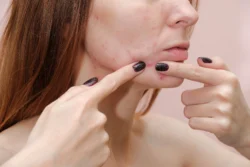
However, some people report developing pimples or worsening acne after starting high dose biotin supplements. Researchers have not confirmed a direct cause and effect relationship, but there are a few theories that may explain why this happens in some individuals.
This means biotin may contribute to acne in certain people, but it is not considered a proven cause.
Why Do Some People Think Biotin Causes Acne?
One of the most common theories involves another B vitamin called vitamin B5, also known as pantothenic acid.
Both biotin and vitamin B5 are absorbed in similar ways in the body. Some experts believe that taking very high doses of biotin could reduce the absorption of vitamin B5 in certain people.
Vitamin B5 is believed to play a role in maintaining healthy skin. If its levels become lower, some people think this may contribute to acne, although more research is needed to confirm this theory.
Another possibility is that breakouts occurring after starting biotin are simply a coincidence rather than being caused by the supplement itself.
Does Research Show That Biotin Causes Acne?
Current research does not show that biotin directly causes acne.
Most information linking biotin to acne comes from personal experiences rather than large clinical studies.
Scientists agree that more research is needed to understand whether high dose biotin supplements can contribute to acne in some individuals.
At this time, there is no strong medical evidence proving that biotin supplements are a direct cause of acne.
Can High Dose Biotin Increase the Risk?
Many supplements contain much more biotin than the body needs.
The recommended daily intake for adults is relatively small, but some beauty supplements contain thousands of micrograms per serving.
Taking large amounts does not necessarily provide greater benefits if you already get enough biotin from your diet.
Some people believe that higher doses may increase the likelihood of unwanted side effects, including skin changes, although this has not been clearly proven.
Who May Notice Breakouts While Taking Biotin?
Everyone responds differently to supplements.
You may be more likely to notice changes if you:
- Already have acne prone skin
- Have oily skin
- Take high dose biotin supplements
- Use several beauty supplements at the same time
- Experience hormonal acne
- Have other factors that contribute to breakouts
It is important to remember that acne is influenced by many factors, not just one supplement.
Other Common Causes of Acne
Acne can develop for many different reasons.
Common causes include:
Hormonal Changes
Hormonal fluctuations during puberty, pregnancy, or the menstrual cycle can increase oil production in the skin.
Genetics
If acne runs in your family, you may be more likely to develop it.
Excess Oil Production
Too much oil can clog pores and lead to pimples.
Dead Skin Cells
When dead skin cells build up inside pores, acne may develop.
Bacteria
Certain bacteria that naturally live on the skin can contribute to inflammation and breakouts.
Stress
Stress may worsen acne in some people by affecting hormone levels.
Skincare Products
Heavy or oily skincare products can clog pores if they are not suitable for your skin type.
Diet
Some research suggests that high glycemic foods and excessive dairy intake may affect acne in certain individuals, although this varies from person to person.
Signs That Biotin May Not Be Right for You
If you notice new acne shortly after starting a biotin supplement, pay attention to the timing.
Ask yourself:
- Did the breakouts begin after starting biotin?
- Are you taking a very high dose?
- Have you changed any other skincare products?
- Have there been recent hormonal changes?
- Have you started any new medications?
Looking at the full picture can help determine whether biotin is likely to be involved.
What Should You Do If You Think Biotin Is Causing Acne?
If you believe biotin may be contributing to your breakouts, there are several steps you can take.
Stop the Supplement
If your healthcare provider agrees, consider stopping biotin for a few weeks to see whether your skin improves.
Check the Dose
Some supplements contain much higher doses than necessary.
If your healthcare provider recommends continuing biotin, ask whether a lower dose may be appropriate.
Review Other Supplements
Many multivitamins, hair products, and beauty supplements already contain biotin.
You may be getting more biotin than you realize.
Follow a Good Skincare Routine
Wash your face twice daily with a gentle cleanser.
Use noncomedogenic moisturizers and sunscreen to help reduce clogged pores.
See a Dermatologist
If your acne is severe or does not improve, a dermatologist can help identify the underlying cause and recommend appropriate treatment.

Does Everyone Need a Biotin Supplement?
No.
Most healthy people receive enough biotin from food.
Supplements are usually only necessary for people with a diagnosed deficiency or certain medical conditions.
Taking large amounts without a medical reason may not provide additional benefits.
Possible Side Effects of Biotin
Biotin is generally considered safe when taken as directed.
Possible side effects are uncommon but may include:
- Mild stomach discomfort
- Skin breakouts in some individuals
- Changes in laboratory test results
One important point is that high dose biotin can interfere with certain blood tests, including some tests used to evaluate heart conditions and thyroid function.
Always tell your healthcare provider if you are taking biotin before having blood work done.
How Much Biotin Do Adults Need?
Most adults only require a small amount of biotin each day. Many supplements provide several hundred or even several thousand times this amount.
More is not always better, especially if you are not deficient. Your healthcare provider can advise whether supplementation is necessary.
Tips for Healthy Skin
Whether or not you take biotin, these habits can support healthier skin:
- Wash your face gently twice a day.
- Remove makeup before sleeping.
- Drink enough water.
- Eat a balanced diet.
- Manage stress.
- Get enough sleep.
- Avoid picking pimples.
- Use skincare products designed for your skin type.
- Protect your skin with sunscreen.
Healthy habits often have a greater impact on skin than supplements alone.
Frequently Asked Questions
Can biotin directly cause acne?
There is no strong scientific evidence proving that biotin directly causes acne. However, some people report breakouts after taking high dose supplements.
How long does it take for acne to improve after stopping biotin?
If biotin is contributing to your breakouts, some people may notice improvement within several weeks. Skin healing varies from person to person.
Should I stop taking biotin if I develop acne?
If you suspect biotin is affecting your skin, speak with your healthcare provider before stopping any supplement, especially if it was recommended for a medical reason.
Can biotin improve skin?
Biotin helps support normal skin health, particularly in people who have a deficiency. However, it is not a proven acne treatment.
Is biotin deficiency common?
No. Biotin deficiency is rare in healthy people who eat a balanced diet.
Conclusion
Biotin is an important vitamin that supports healthy hair, skin, nails, and energy production. Although many people take biotin supplements without problems, some report developing acne after starting high dose products.
Current research does not show that biotin directly causes acne, and there is no clear scientific evidence confirming this link. Acne is a complex condition influenced by hormones, genetics, skincare habits, diet, stress, and many other factors. If breakouts appear after beginning a biotin supplement, it may be helpful to review the dose, consider other possible causes, and discuss your concerns with a healthcare provider.
For most people, a balanced diet provides enough biotin without the need for high dose supplements. If you are considering taking biotin or are experiencing skin changes while using it, seeking medical advice can help you choose the safest and most appropriate approach for your individual needs.
Disclaimer: This article is for informational purposes only and should not be considered medical advice. Always consult a healthcare provider before starting or stopping any supplement or treatment.

Comprehensive Skincare for Patients of All Ages
BOOK AN APPOINTMENTSince 1982, Palm Beach Dermatology Group has developed treatment plans that reflect our patients’ goals for healthy and beautiful skin. The doctors and professionals on our team have attended top schools, like Brown University, NYU, and the University of Miami, received special honors, and contributed to esteemed medical journals.
Our background and knowledge of the latest pharmaceutical technologies enable us to uphold the highest safety standards and deliver quality service and care to our patients. At PGA Dermatology Skin & Aesthetics Center, we make you feel comfortable and treat you like family from the moment you step inside our waiting room.