


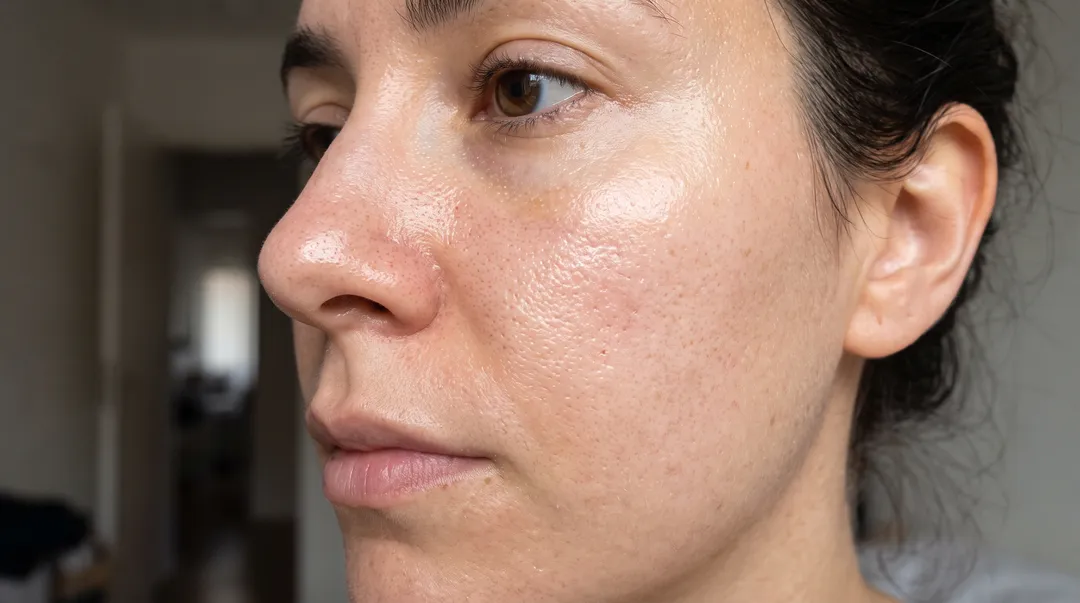
If your face looks shiny shortly after washing it, your makeup does not last long, or your forehead and nose feel greasy throughout the day, you may have oily skin. This happens when the sebaceous glands produce excess sebum, the natural oil that helps protect and moisturize your skin.
But why is my skin so oily, even when I wash my face regularly? Several factors can contribute to oily skin, including genetics, hormonal changes, hot weather, humidity, and the skincare products you use. Understanding the cause can help you manage excess oil without irritating your skin or making the problem worse.
The good news is that oily skin can often be managed with a consistent skincare routine and the right products. Here is what you need to know about the causes of oily skin, how to reduce excess shine, and when to seek professional advice.
Why Is My Skin So Oily?
Your skin becomes oily when the sebaceous glands produce more sebum than you need for normal skin lubrication. Sebum helps prevent moisture loss and protects the skin barrier, but excess oil can create a greasy appearance.
The amount of oil your skin produces depends on several factors. Some are related to your natural skin type, while others can change with age, hormones, weather, and skincare habits.
1. Genetics
Genetics is one of the main reasons some people naturally have oilier skin than others.
If your parents have oily skin, you may be more likely to experience the same skin type. Genetic factors influence the activity of your sebaceous glands and how much oil your skin produces.
You cannot change your genetics, but you can manage oily skin by choosing appropriate skincare products and avoiding habits that irritate your skin.
2. Hormonal Changes
Hormones play an important role in sebum production. Androgens, a group of hormones that includes testosterone, can stimulate the sebaceous glands to produce more oil.
Hormonal changes during puberty can make the skin noticeably oilier. Hormonal fluctuations associated with menstrual cycles and pregnancy may also affect oil production in some people.
If your skin has suddenly become much oilier and you are also experiencing persistent acne, irregular menstrual periods, or unusual facial hair growth, consider speaking with a healthcare professional. These symptoms may warrant an assessment for an underlying hormonal condition.
3. Hot Weather and Humidity
Your skin may feel greasier during hot or humid weather. Heat can increase sweating, while humidity can make sweat and surface oil feel more noticeable.
Sweat and sebum are different substances. Sweat is produced by sweat glands, while sebum comes from sebaceous glands. When they mix with skincare products, sunscreen, and environmental debris, your face may feel particularly greasy.
If your skin becomes oilier during summer, use a gentle cleanser, lightweight moisturizer, and non-comedogenic sunscreen.
4. Using Harsh Cleansers
Washing your face too frequently or using harsh cleansers can irritate your skin and damage its protective barrier.
Strong soaps, alcohol-heavy products, and aggressive scrubs may leave your skin feeling tight, dry, or uncomfortable. This does not mean that your skin will always compensate by producing more oil, but irritation can make your skin harder to manage.
Instead, choose a gentle cleanser that removes excess oil without stripping away too much moisture.
5. Using the Wrong Skincare Products
Heavy creams, oily cosmetics, and certain hair products can contribute to a greasy appearance. Some products may also clog pores and increase the likelihood of acne.
Look for products labeled oil-free or non-comedogenic. Non-comedogenic products are formulated to be less likely to clog pores.
You do not need to avoid every product containing oil. The important thing is to find products that suit your skin and do not cause irritation or breakouts.
6. Stress
Stress may contribute to acne and other skin changes. Stress-related hormonal and inflammatory responses can affect existing skin conditions, although the relationship between stress and oil production is complex.
If you notice that breakouts become more frequent during stressful periods, try maintaining a regular sleep schedule, exercising, and using relaxation techniques.
These habits support general well-being, but they are not guaranteed to eliminate oily skin.
7. Certain Medications
Some medications can affect hormone levels or contribute to acne and changes in skin oiliness.
If your skin becomes noticeably oilier after starting a new medicine, review the timing with your healthcare professional. Do not stop a prescribed medication without medical advice.
A clinician can help determine whether the medication may be contributing to your symptoms and whether an alternative is appropriate.
How to Reduce Oily Skin
You may not be able to eliminate oil production completely, but you can reduce excess shine and help prevent clogged pores.
1. Wash Your Face Twice a Day
Wash your face in the morning and before bed. You should also cleanse after heavy sweating.
Use lukewarm water and a gentle cleanser. Avoid scrubbing your skin aggressively because this can cause irritation.
Washing more frequently is not necessarily better. Excessive cleansing may dry out your skin without providing lasting control over oil production.
2. Use Salicylic Acid if Appropriate
Salicylic acid is an ingredient used in some skincare products for oily and acne-prone skin. It helps exfoliate inside the pores and can reduce blockages associated with blackheads and whiteheads.
Start with a product designed for your skin type and follow its instructions. Using too much salicylic acid or combining several exfoliating products can cause dryness, redness, and irritation.
If your skin becomes uncomfortable, reduce use or stop the product.
3. Apply a Lightweight Moisturizer
Having oily skin does not mean you should skip moisturizer.
A lightweight, oil-free, non-comedogenic moisturizer can help maintain skin hydration without adding an unnecessarily heavy layer.
This is particularly important if you use acne treatments that cause dryness, including salicylic acid or certain retinoids.
4. Wear Sunscreen Every Day
Choose a broad-spectrum sunscreen with SPF 30 or higher. If your skin is oily, consider a lightweight, oil-free, or non-comedogenic formula.
Sunscreen helps protect against ultraviolet radiation, sunburn, premature skin aging, and other forms of sun damage.
You may need to try different formulations to find one that provides adequate protection without feeling too greasy.
5. Use Blotting Papers During the Day
Blotting papers can absorb excess surface oil without requiring you to wash your face repeatedly.
Press the paper gently against oily areas rather than rubbing it across your skin.
This is a temporary way to reduce shine, not a treatment that changes how much oil your glands produce.
6. Avoid Over-Exfoliating
Scrubs, strong exfoliating acids, and multiple active skincare ingredients can irritate your skin when used too frequently.
A complicated skincare routine is not necessarily more effective than a simple one. Introduce new products gradually and give your skin time to adjust.
If you experience persistent burning, peeling, or redness, stop using irritating products and consider getting professional advice.

Does Oily Skin Mean You Have Acne?
No. Oily skin and acne are related, but they are not the same condition.
Acne develops when hair follicles become clogged with oil and dead skin cells. Inflammation and bacteria can then contribute to pimples and other lesions.
People with oily skin may be more prone to clogged pores, blackheads, whiteheads, and inflammatory acne. However, some people have oily skin without developing acne.
If you have deep, painful pimples, persistent breakouts, or acne that leaves scars, consult a dermatologist. Prescription treatments may be more appropriate than repeatedly trying over-the-counter products.
Does Diet Cause Oily Skin?
There is no strong evidence that one particular food directly causes oily skin in everyone.
Research on diet and acne suggests that some dietary patterns, including diets with a high glycemic load, may worsen acne in certain people. However, acne research does not establish that a specific food is responsible for every case of oily skin.
You do not need to eliminate entire food groups simply because your skin is oily. Focus on a balanced diet and pay attention to any consistent personal patterns.
Drinking enough water supports general health, but drinking extra water will not directly switch off your sebaceous glands.
When Should You See a Dermatologist?
Oily skin alone is usually not a medical emergency. However, professional advice can help if your symptoms are persistent or accompanied by other changes.
Consider seeing a dermatologist if:
Your skin becomes suddenly and unusually oily.
You develop persistent or severe acne.
You have painful pimples, cysts, or acne scars.
Over-the-counter skincare products are not helping.
Your skin becomes persistently irritated, red, or inflamed.
Oily skin occurs alongside other symptoms that could suggest a hormonal problem.
A dermatologist can assess your skin, identify contributing factors, and recommend treatments suited to your needs.
Conclusion
If you are wondering, “Why is my skin so oily?”, the answer may involve genetics, hormones, hot weather, skincare products, or a combination of factors. Oily skin is common and does not automatically mean that your skin is unhealthy or that you are not cleaning it properly.
The most effective approach is to use a gentle cleanser, apply a lightweight moisturizer, wear sunscreen, and avoid harsh products that irritate your skin. Ingredients such as salicylic acid may also help if you have oily, acne-prone skin.
If your oiliness changes suddenly or comes with persistent acne and other unusual symptoms, seek advice from a healthcare professional. With the right routine and appropriate treatment when needed, you can manage excess shine while keeping your skin comfortable and healthy.
Disclaimer: This article is for informational purposes only and does not replace professional medical advice, diagnosis, or treatment. Consult a qualified dermatologist for persistent oily skin, severe acne, or other skin concerns.