

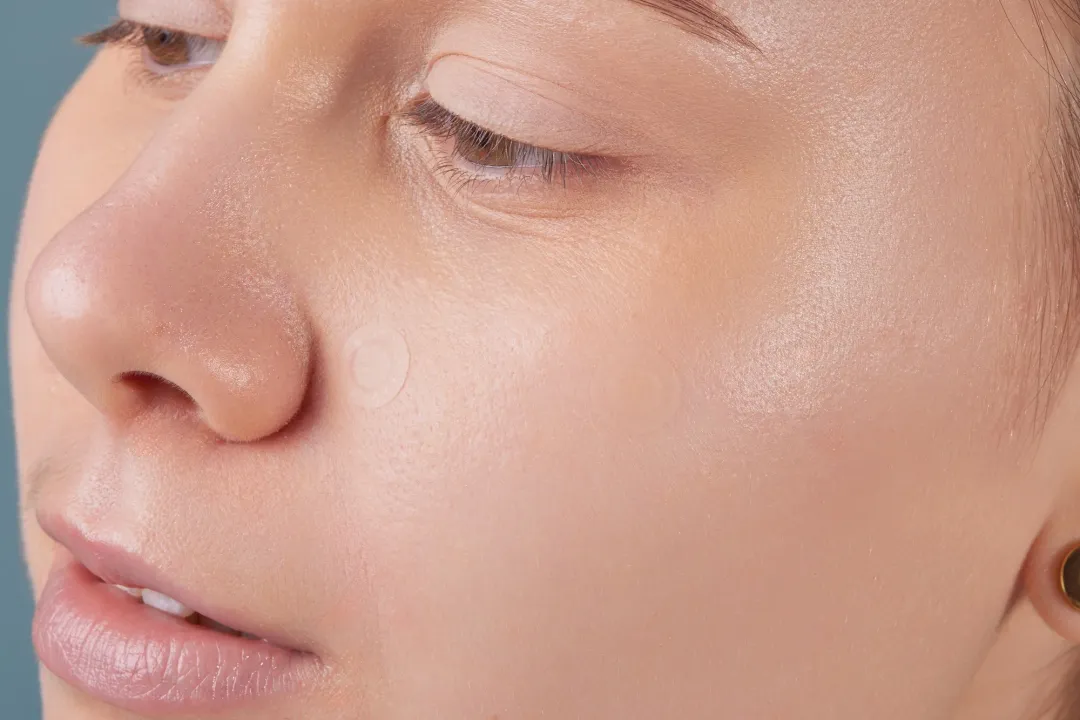
Oily skin is a common skin type that occurs when the sebaceous glands produce too much sebum, the natural oil that helps protect the skin. Sebum keeps the skin soft and supports its protective barrier, but excess oil can make the face look shiny, clog pores, and increase the risk of blackheads, whiteheads, and acne.
People with oily skin may notice that their face becomes greasy a few hours after washing, especially around the forehead, nose, and chin. Some people experience oily skin throughout the year, while others notice changes during hot weather, puberty, stress, or hormonal changes.
The good news is that oily skin can usually be managed with a consistent skincare routine and suitable products. You do not need to remove all the oil from your skin. The goal is to control excess oil while keeping the skin clean, comfortable, and hydrated.
This guide explains the signs of oily skin, its common causes, treatment options, daily skincare routines, prevention tips, and mistakes to avoid.
What Is Oily Skin?
Oily skin is a skin type in which the sebaceous glands produce more sebum than the skin needs. Sebum is an oily substance made from lipids that helps lubricate the skin, reduce moisture loss, and protect its surface.
Sebaceous glands are found across most areas of the body, but they are especially active on the face and scalp. This is why oily skin is often most noticeable on the forehead, nose, and chin, which together form the T-zone.
Having oily skin is not necessarily a sign of poor hygiene. It is often related to genetics, hormones, age, and other biological factors. Washing your face more frequently does not permanently reduce sebum production.
Oily skin can also occur alongside other skin conditions. For example, a person may have oily skin with acne, oily skin with enlarged pores, or oily skin that is also sensitive and easily irritated.
It is important to understand that oil production is normal. Problems usually arise when excess sebum combines with dead skin cells and contributes to clogged pores or when the skin becomes irritated by unsuitable products.
Signs and Symptoms of Oily Skin
Oily skin can look and feel different from person to person. Some people have mild shine, while others experience persistent greasiness and frequent breakouts.
Common signs include:
1. A Shiny Face
The face may appear shiny or greasy, especially a few hours after cleansing. The shine is often more noticeable on the nose, forehead, and chin.
2. Enlarged or Visible Pores
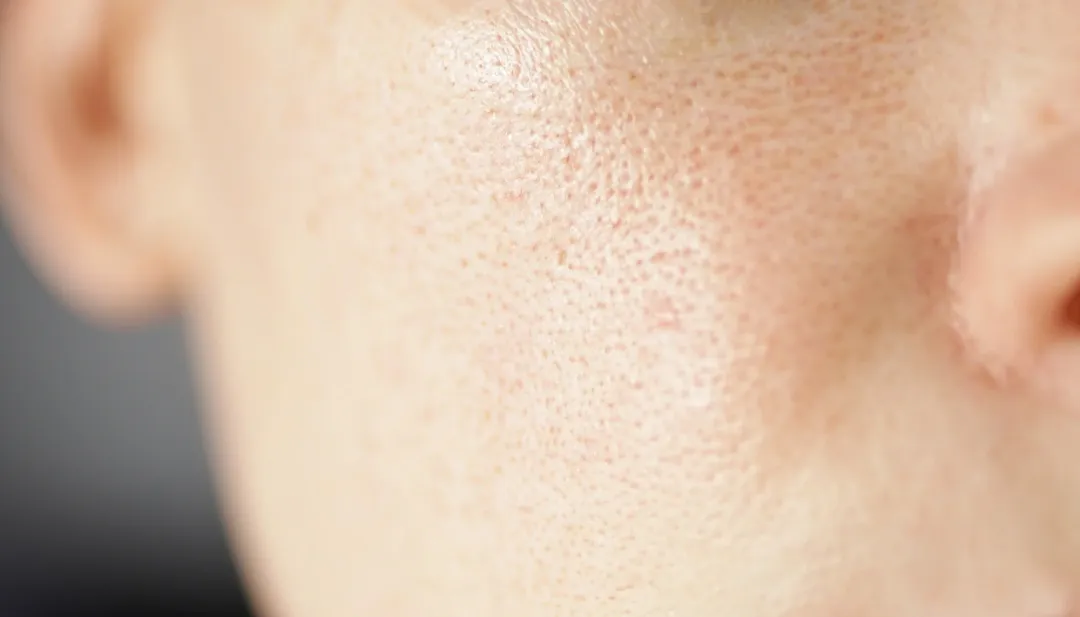
Pores may appear larger in areas where the skin produces more oil. Genetics, age, and the structure of the hair follicles also affect pore size. Oily skin does not mean that your pores are dirty.
3. Frequent Blackheads and Whiteheads
Excess oil and dead skin cells can collect inside hair follicles. When a follicle becomes clogged, it may develop into a blackhead or whitehead.
Blackheads look dark because the material inside the open pore reacts with air. They are not simply dirt trapped in the skin.
4. Frequent Acne Breakouts
People with oily skin may be more prone to acne because excess sebum can contribute to clogged follicles. Acne also involves inflammation and the activity of bacteria that normally live on the skin.
However, not everyone with oily skin develops acne, and people with other skin types can also experience breakouts.
5. Makeup That Does Not Last Long
Foundation, concealer, and other makeup products may become shiny, slide around, or separate during the day. Oil-absorbing products and suitable makeup formulas may help.
6. Greasy Skin After Washing
The skin may begin to look oily again soon after cleansing. This can happen even when you use a suitable cleanser because the sebaceous glands continue producing sebum throughout the day.
7. A Combination of Oiliness and Dryness
Some people experience an oily forehead and nose but dry or tight cheeks. This may indicate combination skin or irritation caused by skincare products.
Oily skin can also become dehydrated, meaning it lacks enough water. Dehydration and oil production are different issues, so oily skin can still benefit from a moisturizer.

What Causes Oily Skin?
Oily skin usually develops because of a combination of biological factors and environmental influences. The following are some of the most common causes.
1. Genetics
Genetics play an important role in determining how much sebum your skin produces. If your parents have naturally oily skin, you may be more likely to experience the same skin type.
Genetics can also influence pore appearance and your tendency to develop acne.
You cannot change your genetic makeup, but you can manage oiliness with suitable skincare and, when necessary, medical treatment.
2. Hormonal Changes
Hormones called androgens stimulate the sebaceous glands and can increase sebum production. These hormones are present in people of all sexes.
Oiliness often increases during puberty because hormone levels change significantly. Hormonal changes during the menstrual cycle, pregnancy, and certain medical conditions may also affect the skin.
In adults, a sudden change in oil production accompanied by other symptoms, such as irregular periods or increased facial hair, may require medical evaluation.
3. Hot and Humid Weather
Heat and humidity can make the skin feel greasier. Sweat, sunscreen, and other skincare products may also contribute to the sensation of a shiny face.
Weather does not affect everyone in the same way, but people who live in hot or humid areas may find that lighter skincare products are more comfortable.
4. Age
Sebum production often increases during adolescence and may remain relatively high in early adulthood. It commonly decreases with age, although the timing varies from person to person.
Some people continue to have oily skin well into adulthood.
5. Stress
Stress can affect the body's hormonal and inflammatory responses. In some people, periods of stress are associated with increased acne or worsening skin problems.
Stress is not the only cause of oily skin, and reducing stress will not necessarily eliminate oil production. However, good sleep and stress management can support overall skin health.
6. Harsh Cleansers and Overwashing
Using strong cleansers, scrubbing too hard, or washing repeatedly throughout the day can damage the skin barrier and cause irritation.
These habits do not reliably reduce oil production. Instead, they can leave the skin tight, red, flaky, or uncomfortable.
The best approach is to remove excess oil gently without stripping the skin.
7. Heavy or Unsuitable Skincare Products
Some creams, makeup products, and sunscreens may feel too heavy for certain people. Products that contribute to clogged pores can also worsen acne in people who are prone to breakouts.
Choosing products labeled non-comedogenic may help reduce the likelihood of clogged pores, although no product label guarantees that a breakout will never occur.
8. Certain Medications and Health Conditions
Some medications and hormonal conditions can influence oil production or acne. The effects depend on the medication and the individual.
If oiliness develops suddenly after starting a medicine, consult a healthcare professional rather than stopping the medicine yourself.
Types of Skin and How to Identify Oily Skin
Understanding your skin type can help you choose the right products.
Oily skin: Most of the face becomes shiny or greasy during the day.
Dry skin: The skin often feels tight, rough, flaky, or uncomfortable.
Combination skin: The forehead, nose, and chin are oily, while other areas may be normal or dry.
Normal skin: The skin generally feels comfortable without persistent excess oil or dryness.
Sensitive skin: The skin reacts easily to products or environmental conditions, causing redness, burning, itching, or stinging.
Sensitivity is a skin characteristic rather than a separate level of oil production. You can have oily and sensitive skin at the same time.
A Simple Way to Check Your Skin Type
Wash your face with a gentle cleanser, pat it dry, and avoid applying skincare products for about 30 to 60 minutes. Observe how your skin feels and looks.
If most areas develop noticeable shine, you may have oily skin. If only your forehead, nose, and chin become shiny, you may have combination skin. If your face feels tight or flaky, dryness or irritation may be present.
This is only a basic observation method. Weather, recent skincare use, and the cleanser itself can affect the result.
How to Treat Oily Skin
There is no need to eliminate every trace of oil. Effective treatment focuses on controlling excess sebum, preventing clogged pores, reducing acne when present, and protecting the skin barrier.
The right treatment depends on whether you have oily skin alone or oily skin with acne, irritation, or another condition.
1. Use a Gentle Cleanser
Wash your face twice a day, usually in the morning and evening, with a gentle cleanser. You may also wash after heavy sweating.
Choose a cleanser that removes excess oil without leaving your skin painfully tight or dry. A fragrance-free product may be helpful if your skin is sensitive.
Avoid frequent scrubbing, rough cleansing brushes, and very hot water. These can irritate the skin without providing lasting control over oil production.
2. Try Salicylic Acid for Clogged Pores
Salicylic acid is a beta hydroxy acid that helps loosen dead skin cells inside pores. It is commonly used in products designed for blackheads, whiteheads, and acne-prone skin.
Start with a low-strength product and use it according to the label. If you experience burning, redness, or excessive peeling, reduce use or stop the product.
Salicylic acid is not necessary for everyone with oily skin. It is most useful when clogged pores are a concern.
3. Consider Benzoyl Peroxide for Acne
Benzoyl peroxide helps reduce acne-causing bacteria and inflammation. It is commonly used to treat inflammatory acne, including red pimples.
It is not primarily an oil-control treatment, so it may not be useful if your only concern is facial shine.
Benzoyl peroxide can cause dryness and irritation and may bleach towels, pillowcases, and clothing. Start carefully and follow product instructions.
4. Use a Retinoid When Appropriate
Topical retinoids, such as adapalene, help prevent clogged pores and are commonly used for acne treatment. They can be useful for people who have oily skin along with recurring blackheads, whiteheads, or pimples.
Retinoids may cause dryness, redness, and peeling, particularly when first introduced. Start gradually and follow medical or product guidance.
Topical retinoids should generally be avoided during pregnancy or when trying to become pregnant. Ask a healthcare professional about suitable alternatives if this applies to you.
5. Choose a Lightweight Moisturizer
A moisturizer is important even if your skin produces a lot of oil. It helps support the skin barrier and reduces moisture loss.
Look for a lightweight gel, lotion, or other formula that feels comfortable on your skin. Non-comedogenic products may be a good starting point if you experience acne.
You do not need to skip moisturizer to control shine. If a product feels greasy, try a lighter formula instead.
6. Wear Sunscreen Every Day
Use a broad-spectrum sunscreen with SPF 30 or higher. Sunscreen helps protect the skin from ultraviolet radiation, which contributes to sunburn, premature skin aging, and skin cancer.
If you dislike a heavy finish, try a lightweight lotion, gel, or fluid sunscreen made for oily skin.
Sunscreen should be reapplied about every two hours when outdoors and after swimming, sweating, or towel drying, following the product instructions.
7. Seek Medical Treatment for Persistent Problems
If oily skin is accompanied by persistent acne, painful nodules, scarring, or significant irritation, a dermatologist can recommend treatment based on the severity of the problem.
Prescription options may include topical retinoids, combination acne medicines, or hormonal treatment for selected patients. Oral medicines may be appropriate for certain forms of severe or resistant acne.
These treatments are not necessary for everyone with oily skin. A medical professional can help you understand the benefits, risks, and monitoring requirements.
Best Skincare Routine for Oily Skin
A simple routine is often easier to maintain than one with many products. Start with the basics and introduce additional treatments only when needed.
Morning Skincare Routine
Cleanser: Wash your face with a gentle cleanser to remove excess oil that has collected overnight.
Treatment (optional): If you have clogged pores or acne, use a suitable treatment such as salicylic acid, provided your skin tolerates it.
Moisturizer: Apply a lightweight moisturizer to keep the skin comfortable and support its protective barrier.
Sunscreen: Finish with broad-spectrum SPF 30 or higher.
Night Skincare Routine
Remove makeup and sunscreen: Use a suitable makeup remover or cleansing product when needed.
Cleanse: Wash your face gently to remove sweat, oil, dirt, and product residue.
Apply treatment: Use an acne treatment if needed. Avoid adding several strong active ingredients at once.
Moisturize: Apply a lightweight moisturizer to help reduce dryness and irritation.
If you are new to active ingredients, introduce one product at a time. This makes it easier to identify which product helps and which one causes irritation.
How to Prevent Excess Oil on the Face
You may not be able to stop your skin from producing excess sebum completely, but you can reduce unwanted shine and help prevent clogged pores.
1. Wash Your Face Gently
Cleanse your face up to twice daily and after sweating. Avoid repeatedly washing it whenever you notice shine.
2. Choose Products Made for Oily Skin
Look for products labeled oil-free or non-comedogenic. These can be useful starting points for people who experience greasy skin or clogged pores.
3. Use Blotting Papers
Blotting papers can absorb excess oil without requiring you to wash your face. Press one gently against shiny areas instead of rubbing it across your skin.
4. Avoid Touching Your Face
Frequent touching can transfer oil, dirt, and other substances to the skin. Picking pimples can also increase inflammation and the risk of dark marks or scars.
5. Keep Hair Away From Your Face
Hair oils and styling products may contribute to clogged pores around the hairline in some people. If you have oily hair, wash it as needed and keep it away from your forehead.
6. Remove Makeup Before Bed
Sleeping in makeup can leave product residue on the skin and may contribute to clogged pores. Remove makeup gently before your nighttime skincare routine.
7. Clean Items That Touch Your Face
Wash makeup brushes regularly, change pillowcases as needed, and clean objects that frequently touch your face, such as phone screens.
8. Maintain Healthy Daily Habits
Get enough sleep, stay physically active, and follow a balanced diet. These habits support overall health, although they do not guarantee that oily skin will disappear.
Dermatologists generally recommend gentle cleansing, suitable skincare products, moisturizer, and sun protection rather than trying to dry out the skin completely.
Home Remedies for Oily Skin
Many people try home remedies to control oil, but not every popular skincare tip is safe or supported by good evidence.
What May Help
Gentle cleansing: A basic cleanser can remove excess surface oil without harsh scrubbing.
Blotting papers: These offer a simple way to reduce shine temporarily.
Cool or lukewarm water: This is generally more comfortable than very hot water and helps avoid unnecessary irritation.
A suitable moisturizer: A lightweight moisturizer can help maintain the skin barrier.
What to Avoid
Lemon juice: Lemon juice can irritate the skin and may cause reactions when skin is exposed to sunlight.
Baking soda: Its alkaline nature can disrupt the skin's normal acidic environment and cause irritation.
Toothpaste: Toothpaste is designed for teeth, not facial skin. It may cause dryness, redness, and irritation.
Harsh sugar or salt scrubs: Rough particles can irritate the skin, particularly when acne is present.
Undiluted essential oils: Certain essential oils can cause irritation or allergic contact dermatitis.
Frequent clay masks: Clay masks may temporarily absorb oil, but using them too often can leave the skin dry or irritated.
A remedy that makes your face feel tight or dry is not necessarily working. The aim is to manage oil while keeping the skin healthy.
Foods and Oily Skin: What Should You Eat?
There is no single food that causes oily skin in everyone. Sebum production is strongly influenced by genetics and hormones, but diet may affect acne in some individuals.
Foods Worth Including
A balanced diet can include vegetables, fruits, whole grains, legumes, nuts, and suitable sources of protein. These foods provide nutrients needed for general health.
Can Sugary Foods Worsen Acne?
Some research suggests that diets with a high glycemic load, which can cause rapid increases in blood sugar, may worsen acne in some people. Examples include frequent consumption of sugary drinks, sweets, and certain highly refined carbohydrate foods.
However, the evidence does not mean that everyone with oily skin must avoid all carbohydrates or sugar.
Does Dairy Affect Oily Skin?
Some studies have found an association between certain dairy products and acne, but the evidence is not conclusive for every individual. Dairy is not a proven universal cause of oily skin.
If you suspect a particular food triggers breakouts, observe the pattern over time and discuss major dietary changes with a healthcare professional.
Does Drinking More Water Reduce Oil?
Drinking enough water is important for overall health, but drinking extra water beyond your needs has not been shown to directly switch off sebum production.
Hydration and oil production are different processes. You can drink enough water and still have naturally oily skin.
Common Mistakes to Avoid With Oily Skin
Some skincare habits can make oily skin more uncomfortable or worsen acne.
Washing too often: Frequent cleansing can irritate the skin without providing lasting oil control.
Skipping moisturizer: Oily skin still needs moisture support, especially when using acne treatments.
Using too many active ingredients: Combining several exfoliating acids and acne treatments may cause redness, peeling, and burning.
Scrubbing hard: Friction can worsen irritation and inflamed pimples.
Squeezing blackheads and pimples: Picking can increase the risk of scarring and dark spots.
Skipping sunscreen: Sun exposure can damage the skin and worsen discoloration left by acne.
Expecting instant results: Many acne treatments need several weeks to show noticeable improvement.
Changing products too frequently: Constantly switching treatments can irritate the skin and make it difficult to determine what works.
A consistent routine is usually more useful than buying many products or trying a new remedy every few days.
When Should You See a Dermatologist?
Oily skin alone is usually not a medical problem. However, professional advice can help if oiliness is accompanied by persistent or severe symptoms.
Consider seeing a dermatologist if:
You have painful, deep pimples or nodules.
Acne leaves scars or persistent dark marks.
Over-the-counter acne treatments have not helped after consistent use.
Your skin becomes persistently red, itchy, flaky, or irritated.
Oiliness changes suddenly without an obvious reason.
You develop acne along with irregular menstrual periods or other symptoms that could indicate a hormonal problem.
Your skin problems affect your confidence or emotional well-being.
A dermatologist can determine whether you have acne or another skin condition and recommend suitable treatment. Depending on the diagnosis, treatment may include prescription creams, hormonal medicines, or other therapies. Not every person with oily skin needs medication.
Conclusion
Oily skin is a common skin type that can be managed with the right combination of skincare, healthy habits, and appropriate treatment. Although genetics and hormones influence how much oil your skin produces, you can reduce unwanted shine and help prevent clogged pores by choosing suitable products and following a consistent routine.
Start with a gentle cleanser, a lightweight moisturizer, and daily sunscreen. Add targeted treatments only when necessary, and avoid products that leave your skin irritated or excessively dry. If you have persistent acne or other skin concerns, consult a dermatologist for personalized advice.
The most important thing to remember is that healthy skin does not need to be completely oil-free. The goal is to keep your skin comfortable, protected, and balanced while managing the problems that excess oil may cause.
Medical Disclaimer - This article is for general educational purposes and does not replace professional medical advice, diagnosis, or treatment. Consult a qualified healthcare professional if you have persistent skin problems or are unsure which treatment is suitable for you.