What Causes Dry Skin? Common Reasons and What You Can Do
Key Takeaways
- Dry skin happens when the skin loses too much moisture or does not retain enough moisture.
- Cold, dry weather and indoor heating can increase moisture loss from the skin.
- Hot showers, frequent washing, and harsh soaps can strip natural oils from the skin.
- Eczema, psoriasis, certain medications, and some health conditions can also cause persistent dry skin.
- Regular moisturizing and gentle skin care can help protect the skin barrier and reduce dryness.
Dry skin is a common problem that can affect almost anyone. Your skin may feel tight, rough, flaky, itchy, or uncomfortable. Sometimes it happens for a short time because of cold weather or a change in your routine. In other cases, dry skin can continue for weeks or may be related to an underlying skin condition.
Understanding what causes dry skin can make it easier to manage. The cause is not always obvious, and several factors can contribute at the same time.
Here are some of the most common reasons your skin may become dry.
What Is Dry Skin?
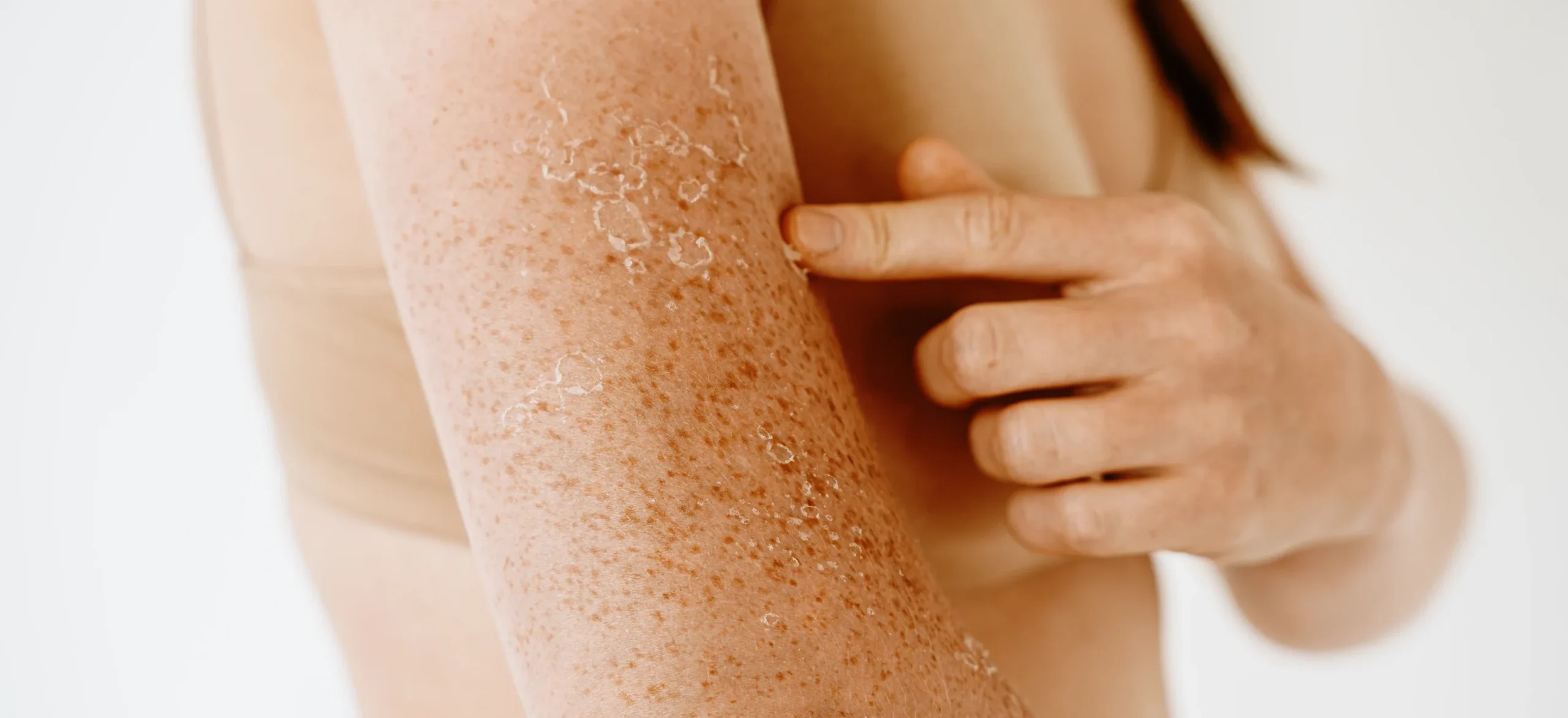
Dry skin occurs when the skin does not have enough moisture and natural oils to maintain its normal protective barrier.
Your skin barrier helps keep water inside the skin while protecting it from irritants and environmental factors. When that barrier becomes damaged or loses too much moisture, the skin can become dry and irritated.
Dry skin can appear anywhere on the body, but it is especially common on the hands, arms, legs, elbows, and face.
Common signs include:
- Rough or flaky skin
- Tightness, especially after bathing
- Itching
- Fine lines that look more noticeable
- Redness or irritation
- Cracked skin
- Peeling or scaling
1. Cold or Dry Weather
Weather is one of the most common causes of dry skin.
Cold air usually contains less moisture than warm air. When the humidity drops, water can evaporate from the skin more easily.
Indoor heating can make the problem worse. Heating systems reduce indoor humidity, which may leave your skin feeling dry and tight.
This is why some people notice dry, itchy skin during winter.
However, dry skin is not limited to cold weather. Living in a dry climate at any time of year can also contribute to moisture loss.
2. Hot Showers and Baths
A long, hot shower may feel relaxing, but it can make dry skin worse.
Hot water can remove some of the natural oils from the skin. These oils help support the skin barrier and reduce water loss.
If your skin is already dry, spending a long time in hot water may increase tightness, itching, and flaking.
Try using warm rather than very hot water and keeping showers relatively short.
3. Frequent Washing
Washing your hands and body is important for hygiene, but excessive washing can remove natural oils from the skin.
This can be especially noticeable on the hands. People who wash their hands frequently may experience dryness, cracking, or irritation.
Frequent use of soaps, cleansers, and sanitizers can also contribute to dryness, particularly if the products are harsh or irritating.
Using a gentle cleanser and applying moisturizer afterward can help protect the skin.
4. Harsh Soaps and Skin Care Products
Some soaps, cleansers, scrubs, and other skin care products can strip oils from the skin.
Products containing strong fragrances or other ingredients that irritate your skin may also cause dryness.
This does not mean you need to avoid all cleansers. Instead, look for products designed for dry or sensitive skin.
A gentle, fragrance-free cleanser may be a better option if your skin frequently feels tight after washing.
5. Not Using Enough Moisturizer
Moisturizer helps reduce water loss and supports the skin barrier.
If you have dry skin but rarely use moisturizer, the problem may continue or become more noticeable.
The type of moisturizer matters too. Creams and ointments are generally thicker than lotions and may work better for very dry skin.
Applying moisturizer shortly after bathing can help trap some of the water in your skin.
6. Age
Dry skin can become more common as people get older.
As you age, the skin may produce less oil. Changes in the skin barrier can also make it harder to retain moisture.
Older adults may therefore notice more dryness, especially on the arms and legs.
A consistent skin care routine that includes gentle cleansing and regular moisturizing can help manage age-related dryness.
7. Dehydration
Not drinking enough fluids can contribute to dry skin, although skin dryness is not always caused by dehydration.
Your body needs adequate fluids for many normal functions. If you are losing a lot of fluid through sweating, vomiting, diarrhea, or another cause, staying hydrated becomes particularly important.
That said, simply drinking more water does not always solve dry skin. External factors such as weather, bathing habits, and skin conditions can have a much bigger effect on the skin’s moisture barrier.
8. Eczema
Eczema is a group of conditions that can cause dry, itchy, and inflamed skin.
People with eczema may have a weaker skin barrier, which can make it easier for moisture to escape and irritants to enter the skin.
Eczema can cause:
- Dryness
- Itching
- Redness
- Scaling
- Cracking
- Irritation
Symptoms can come and go. Certain soaps, weather conditions, stress, and other triggers may make symptoms worse.
If you have persistent dry and itchy skin, a healthcare professional can help determine whether eczema may be involved.
9. Psoriasis
Psoriasis is another skin condition that can cause dry, scaly patches.
Unlike ordinary dry skin, psoriasis often produces thicker patches of skin with noticeable scaling. It can appear on areas such as the elbows, knees, scalp, and other parts of the body.
If you have thick, persistent, or recurring scaly patches, it is worth speaking with a healthcare professional rather than assuming the problem is simply dry skin.
10. Certain Medications
Some medications can cause dry skin as a side effect.
For example, certain medicines used to treat acne can significantly reduce oil production. Other medications may also affect moisture levels or contribute to dryness.
If your skin became unusually dry after starting a new medication, check the medication information or speak with your doctor or pharmacist.
Do not stop a prescribed medication simply because you think it may be causing dry skin. A healthcare professional can help you decide what to do.
11. Underlying Health Conditions
In some cases, persistent dry skin may be associated with an underlying health condition.
Conditions involving the thyroid, kidneys, liver, or other parts of the body can sometimes affect the skin.
Diabetes can also be associated with dry skin, particularly when blood glucose levels are not well controlled.
Dry skin by itself does not mean you have a medical condition. There are many ordinary reasons for dry skin. However, if dryness is severe, persistent, or accompanied by other unexplained symptoms, talking with a healthcare professional is a good idea.
How Can You Prevent Dry Skin?
Small changes to your daily routine can make a noticeable difference.
Start by keeping showers shorter and using warm rather than very hot water. Choose a gentle cleanser instead of harsh soap, particularly if your skin is sensitive.
Apply moisturizer regularly, especially after bathing. Creams and ointments may be more useful than lightweight lotions when your skin is very dry.
You can also consider using a humidifier when indoor air is particularly dry.
For your hands, apply moisturizer after washing. If you work with water, cleaning products, or other substances that irritate your skin, protective gloves may help.
Avoid excessive scrubbing or frequent exfoliation if your skin is already dry or irritated.
When Should You See a Doctor?
Most mild cases of dry skin can be managed with simple skin care changes. However, you should consider getting medical advice if the dryness does not improve or keeps coming back.
You should also speak with a healthcare professional if you have severe itching, painful cracks, bleeding, significant redness, swelling, or signs of infection.
Dry skin that appears suddenly and is accompanied by other unexplained symptoms may also need medical evaluation.
A doctor or dermatologist can examine your skin and determine whether a condition such as eczema, psoriasis, or another problem may be responsible.
Frequently Asked Questions
What is the most common cause of dry skin?
Environmental factors, especially cold or dry weather, are common causes of dry skin. Hot water, frequent washing, and harsh skin care products can also contribute.
Can hot showers cause dry skin?
Yes. Hot water can remove natural oils from the skin and may increase dryness, tightness, and itching.
Why is my skin dry even when I use moisturizer?
Dry skin can have several causes. Your moisturizer may not be suitable for your skin type, or factors such as weather, hot showers, harsh cleansers, medications, or an underlying skin condition may be contributing.
Does drinking more water get rid of dry skin?
Staying hydrated is important for overall health, but drinking more water does not always resolve dry skin. The skin’s moisture barrier and environmental factors also play an important role.
Can dry skin be a sign of eczema?
Yes. Eczema can cause dry, itchy, irritated, and sometimes cracked skin. Persistent or recurring symptoms should be evaluated by a healthcare professional.
Can aging cause dry skin?
Yes. Skin can produce less natural oil as people age, which may make it more difficult for the skin to retain moisture.
Why does my skin get dry after washing?
Washing can remove some of the natural oils that help protect the skin. Hot water and harsh soaps can make this effect stronger.
Is dry skin caused by a lack of vitamins?
Some nutritional deficiencies can affect the skin, but common dry skin is more often related to environmental conditions, skin care habits, or skin conditions. Persistent dryness should be evaluated if the cause is unclear.
When should I see a doctor about dry skin?
Consider seeing a healthcare professional if your dryness is severe, persistent, painful, causes bleeding or significant itching, or does not improve with basic skin care.
What is the best way to prevent dry skin?
Use a gentle cleanser, avoid very hot showers, apply moisturizer regularly, and protect your skin from excessively dry environmental conditions.
Conclusion
Dry skin can have many causes, and sometimes more than one factor is involved. Cold or dry weather, hot showers, frequent washing, harsh products, aging, and a lack of proper moisturizing are all common reasons.
Skin conditions and certain medications can also contribute to dryness.
The good news is that simple changes can often help. Use gentle skin care products, avoid very hot water, moisturize regularly, and pay attention to factors that make your symptoms worse.
If your dry skin is severe, persistent, painful, or does not improve with basic care, speak with a healthcare professional to find out what may be causing it and what treatment is appropriate.
Disclaimer – This article is for general informational purposes only and is not a substitute for professional medical advice, diagnosis, or treatment.

Comprehensive Skincare for Patients of All Ages
BOOK AN APPOINTMENTSince 1982, Palm Beach Dermatology Group has developed treatment plans that reflect our patients’ goals for healthy and beautiful skin. The doctors and professionals on our team have attended top schools, like Brown University, NYU, and the University of Miami, received special honors, and contributed to esteemed medical journals.
Our background and knowledge of the latest pharmaceutical technologies enable us to uphold the highest safety standards and deliver quality service and care to our patients. At PGA Dermatology Skin & Aesthetics Center, we make you feel comfortable and treat you like family from the moment you step inside our waiting room.