Dry Skin: Causes, Prevention & Treatment
Key Takeaways
- Dry skin is usually manageable with regular moisturizing and gentle skincare, especially when treated early.
- Avoid very hot showers, harsh soaps, strong fragrances, and excessive scrubbing, which can strip moisture from the skin.
- Deep cracks, bleeding, or broken skin can increase the risk of irritation and infection, so keep affected areas clean and moisturized.
- Seek medical advice if dryness is severe, persistent, painful, or keeps returning despite regular skincare.
- If you notice swelling, pus, yellow crusting, warmth, or increasing pain, the area should be checked by a healthcare professional.
Dry skin is something most people experience at some point. Your skin may feel tight after a shower, become rough during winter, or start flaking when the weather changes. Sometimes it is caused by a simple change in your environment or skincare routine. In other cases, ongoing dryness can be related to a skin condition, medication, or another health problem.
The medical term for dry skin is xerosis. It happens when the outer layer of the skin loses too much water. When this happens, the skin barrier becomes less effective at keeping moisture in, leaving the skin rough, flaky, itchy, or irritated.
The good news is that most mild cases can be improved with regular moisturizing and a few changes to everyday habits. More severe or persistent dryness may need treatment from a doctor or dermatologist.
What Is Dry Skin?
Dry skin develops when the skin does not have enough moisture to maintain its normal protective barrier.
The outer layer of your skin contains water, natural oils, and other substances that help keep it soft and protect it from the environment. When too much moisture is lost, this layer can become rough and damaged.
Dryness can occur anywhere on the body, but it is particularly common on the hands, arms, legs, feet, elbows, and face.
It can range from mild tightness to severe dryness with cracking, bleeding, and pain.
What Does Dry Skin Look and Feel Like?
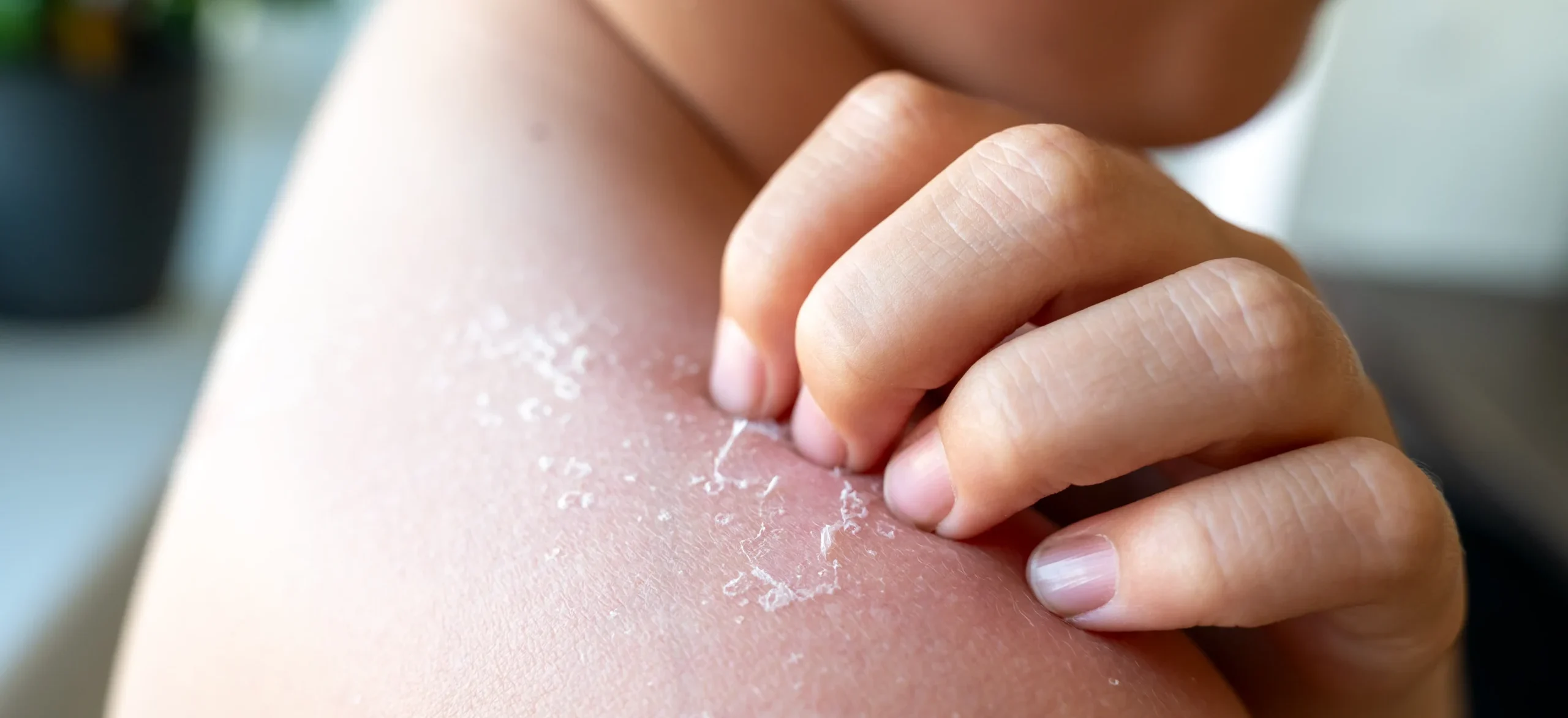
The appearance of dry skin can vary depending on your skin tone and how severe the dryness is.
Common signs include:
- Tightness, especially after washing
- Rough or uneven texture
- Flaking
- Peeling
- Scaling
- Itching
- Fine lines that appear more noticeable
- Cracked skin
- Redness or discoloration
- Burning or stinging
- Pain when the skin becomes severely cracked
On brown or Black skin, dry skin may look grayish or ashy rather than red. Deep cracks can sometimes bleed and create an opening through which bacteria can enter.
What Causes Dry Skin?
The main cause of dry skin is water loss from the outer layer of the skin. Many different things can increase this water loss.
Some causes are related to everyday habits, while others are linked to the environment, age, medicines, or medical conditions.
Hot showers and frequent bathing
Long, hot showers may feel relaxing, but they can remove natural oils from the skin.
Frequent bathing, especially with hot water, can leave the skin feeling tight and dry. Scrubbing the skin aggressively can make the problem worse.
This does not mean you should avoid bathing. Instead, keep showers relatively short and use warm water rather than very hot water.
Harsh soaps and cleansers
Some soaps and cleaning products remove oil from the skin. While removing dirt and excess oil is useful, removing too much of the skin’s natural oils can weaken the moisture barrier.
Strongly fragranced products can also irritate dry or sensitive skin.
A gentle, fragrance-free cleanser is usually a better choice when your skin is already dry.
Cold or dry weather
The environment can have a major effect on your skin.
Cold air tends to hold less moisture, and wind can increase moisture loss from exposed skin. Indoor heating can also make the air dry.
This is one reason people often notice more dry skin during colder months or when spending a lot of time in heated or air-conditioned rooms.
Aging
Dry skin becomes more common as people get older.
With age, the skin becomes thinner and produces less sebum, the natural oil that helps keep moisture in the skin. This can make older adults more prone to dryness, itching, and cracking.
Frequent contact with water
Regularly putting your hands in water can actually contribute to dryness, particularly when combined with soap, detergents, or cleaning chemicals.
People who work in jobs involving frequent handwashing or wet work, such as healthcare workers, cooks, hairdressers, cleaners, and others, may be more likely to develop very dry hands.
Sun exposure
Sun damage can affect the skin’s ability to retain moisture and can contribute to dry, rough skin.
Regular sun protection is therefore important even when dryness is your main concern.
Certain medicines and treatments
Some medicines can cause excessively dry skin as a side effect. Certain cancer treatments and dialysis can also contribute to significant dryness.
If you notice a sudden change in your skin after starting a new medicine, speak with your doctor rather than stopping the medicine yourself.
Skin and health conditions
Dry skin can sometimes be connected to another condition.
Examples include:
- Atopic dermatitis
- Psoriasis
- Ichthyosis
- Diabetes
- Hypothyroidism
- Kidney disease
- Malnutrition
In these cases, treating the underlying condition may be an important part of improving the dryness.
Who Is More Likely to Develop Dry Skin?
Anyone can develop dry skin, but certain factors increase the risk.
You may be more likely to experience it if you are older, live in a dry climate, frequently wash your hands, work with water or chemicals, take certain medicines, or have a medical condition associated with dry skin.
People who already have conditions such as eczema or psoriasis may also experience repeated periods of dryness.
How Can You Treat Dry Skin at Home?
For most mild cases, treatment focuses on putting moisture back into the skin and preventing further moisture loss.
The most important step is to use a moisturizer regularly.
Apply moisturizer after bathing, washing your hands, or whenever your skin feels dry. Putting it on while the skin is still slightly damp can help retain moisture.
Choose a cream or ointment
For very dry skin, creams and ointments generally provide more moisture than lotions.
Useful ingredients can include:
- Ceramides
- Glycerin
- Hyaluronic acid
- Petrolatum
- Mineral oil
- Shea butter
- Urea
- Lactic acid
- Dimethicone
Different ingredients work in different ways. Some attract water to the skin, while others help soften the skin or form a protective layer that reduces moisture loss.
If you have sensitive skin, look for products labeled fragrance-free.
Moisturize more often when needed
There is no need to wait until your skin becomes uncomfortable before applying moisturizer.
If your skin becomes dry several times during the day, reapply it. Hands often need more frequent moisturizing because they are washed repeatedly.
How Can You Protect Dry Skin While Bathing?
Your bathing routine can make a noticeable difference.
Keep showers and baths short and use warm water rather than hot water. Avoid excessive scrubbing, loofahs, and rough exfoliating tools.
Use a gentle cleanser and focus it on areas that actually need cleansing rather than creating a thick lather over your entire body.
After bathing, gently pat your skin dry. Do not rub it aggressively with a towel.
Then apply moisturizer while the skin is still slightly damp.
How Can You Prevent Dry Skin From Coming Back?
Treating dryness is only part of the solution. Your everyday habits can help prevent it from returning.
Moisturize every day
Regular moisturizing helps support the skin barrier and reduce moisture loss.
Keep a moisturizer where you use it most, such as near your bathroom sink or bedside table. This makes it easier to use consistently.
Avoid very hot water
Warm water is a better choice for dry skin than very hot water.
Try to keep bathing time to around 5 to 10 minutes, particularly if your skin becomes dry easily.
Use gentle skincare products
Choose fragrance-free cleansers and moisturizers. Avoid products that leave your skin burning, stinging, or unusually tight.
You may also want to avoid unnecessary exfoliation when your skin is already dry or irritated.
Protect your hands
Wear suitable gloves when gardening, cleaning, washing dishes, or working with substances that irritate your skin.
If your hands are frequently exposed to water, apply moisturizer afterward.
Protect your skin from the weather
Cold, windy weather can dry exposed skin. Wearing gloves, scarves, or other protective clothing can help reduce exposure.
During hot weather, protect your skin from excessive sun exposure and use sunscreen regularly.
Use a humidifier when indoor air is dry
A humidifier can add moisture to dry indoor air and may make dry skin more comfortable.
If you use one, keep it clean and maintain it according to the manufacturer’s instructions.
Choose comfortable fabrics
Some fabrics can irritate already dry or sensitive skin.
Soft, breathable fabrics such as cotton may be more comfortable. If a particular fabric makes your skin itchy or irritated, consider avoiding it.
What Should You Avoid When You Have Dry Skin?
When your skin is dry, some common skincare habits can make things worse.
Try to avoid:
- Very hot showers
- Long baths
- Aggressive scrubbing
- Rough exfoliation
- Strong soaps
- Heavily fragranced products
- Skincare products that sting or burn
- Excessive washing
- Picking at peeling skin
The American Academy of Dermatology specifically recommends avoiding ingredients such as fragrance and certain forms of alcohol in skincare products when dealing with excessively dry skin.
Can Dry Skin Cause Itching?
Yes. Itching is one of the most common symptoms of dry skin.
The problem is that scratching can damage the skin further. This can create a cycle in which dryness causes itching, itching causes scratching, and scratching leads to more irritation.
If you feel the need to scratch, try applying moisturizer or using a cool, damp cloth on the area.
If itching continues despite basic care, a healthcare professional can help determine whether another skin condition is responsible.
What Happens When Dry Skin Becomes Severe?
Mild dryness is usually harmless, but severe dryness can damage the skin barrier.
The skin may become deeply cracked, painful, raw, or prone to bleeding. Once cracks form, bacteria can enter through the damaged skin and cause an infection.
Severe dryness can also make existing skin conditions worse.
If your skin keeps becoming cracked or painful despite regular care, it is better to get it checked rather than continuing to try different products on your own.
How Do Doctors Diagnose Dry Skin?
A doctor or dermatologist can often diagnose dry skin by examining your skin and asking about your symptoms and daily habits.
They may ask when the dryness started, what makes it better or worse, how often you bathe, which soaps or skincare products you use, and whether you have tried any treatments.
If they suspect that another condition is causing your symptoms, they may recommend additional tests.
What Treatments Can a Doctor Recommend?
If simple skincare is not enough, a healthcare professional can recommend a treatment based on the cause and severity of your dry skin.
A dermatologist may recommend a stronger moisturizer containing ingredients such as urea, ceramides, lactic acid, or glycerol. Some people may need a prescription moisturizer.
If itching or inflammation is related to an underlying skin condition, a doctor may also prescribe medication such as a corticosteroid for a limited period.
When dry skin is caused by eczema, psoriasis, another skin disorder, or an underlying health problem, treating that condition is an important part of treatment.
When Should You See a Doctor?
Most mild dry skin improves with self-care. However, it is a good idea to seek medical advice if the problem does not improve despite regular moisturizing and other basic measures.
You should also see a healthcare professional if:
- Your skin becomes painful or inflamed
- Severe itching affects your sleep
- Your skin develops deep cracks
- Cracks bleed repeatedly
- You develop open sores
- You notice signs of infection
- Large areas of skin become scaly or peel
- Dryness suddenly becomes severe
- You suspect a medicine is causing the problem
- You have another health condition that may be linked to dry skin
Persistent dryness can sometimes be a sign of an underlying skin or health condition that needs treatment.
What Are the Signs of a Skin Infection?
Severely dry skin can crack and leave small openings in the skin.
Watch for changes such as swelling, unusual discoloration, yellow crusting, pus, or fluid coming from a cracked area. These may indicate an infection and should be assessed by a healthcare professional.
Do not pick or peel damaged skin, as this can make the area more vulnerable.
A Simple Daily Routine for Dry Skin
You do not need a complicated routine to manage dry skin.
In the morning, use a gentle cleanser if needed, apply moisturizer, and protect exposed skin with broad-spectrum sunscreen.
During the day, moisturize your hands after washing them and reapply moisturizer whenever your skin feels dry.
In the evening, cleanse gently, avoid hot water, and apply a thicker cream or ointment to areas that are particularly dry.
After every shower or bath, moisturize while the skin is still slightly damp.
The key is consistency. Using a simple routine every day is often more helpful than constantly switching between different products.
FAQs About Dry Skin
Can dry skin happen even if you have oily skin?
Yes. Oily skin can still become dehydrated or dry in certain areas. Over-cleansing, strong acne products, weather changes, or using products that remove too much oil can contribute to dryness.
Is dry skin the same as dehydrated skin?
Not exactly. Dry skin usually refers to a lack of natural oils, while dehydrated skin means the skin lacks water. A person can have oily skin and still have dehydrated skin.
Can dry skin make wrinkles look worse?
Yes. When skin is dry, fine lines can appear more noticeable because the surface becomes rough and loses some of its smooth, plump appearance. Moisturizing can temporarily make these lines look less visible.
Is dry skin contagious?
No. Ordinary dry skin is not contagious and cannot be passed from one person to another through touching or sharing personal space.
Can dry skin affect the scalp?
Yes. A dry scalp can cause tightness, flaking, and itching. However, scalp flaking can also be caused by dandruff, eczema, psoriasis, or other conditions, so persistent symptoms may need professional evaluation.
Can swimming make dry skin worse?
Yes. Frequent swimming can leave some people with drier skin because of prolonged exposure to water and pool chemicals. Rinsing afterward and applying moisturizer can help reduce dryness.
Is petroleum jelly good for extremely dry skin?
Petroleum jelly can help by forming a protective layer that reduces moisture loss. It can be particularly useful on very dry or cracked areas, especially when applied after moisturizing or to slightly damp skin.
Can stress cause dry skin?
Stress does not always directly cause dry skin, but it can affect the skin in several ways. Changes in sleep, skincare habits, or scratching during stressful periods may make existing dryness or irritation worse.
Can dry skin be caused by dehydration?
Being dehydrated can affect the body and may contribute to dry or less comfortable skin, particularly when fluid loss is significant. However, everyday dry skin is often more closely related to the skin barrier, environment, bathing habits, and skincare products.
How long does it take for dry skin to improve?
Mild dryness may improve within days after changing your skincare routine and moisturizing regularly. More severe dryness can take longer, particularly if an underlying skin condition is involved. If there is no improvement despite consistent care, it is worth speaking with a healthcare professional.
Conclusion
Dry skin happens when the skin loses too much moisture. Cold or dry weather, hot showers, frequent bathing, harsh soaps, aging, sun exposure, certain medicines, and some medical conditions can all contribute to it.
The treatment for dry skin usually starts with regular moisturizing and protecting the skin from things that strip away its natural oils. Creams and ointments are generally better choices for very dry skin than lightweight lotions. Ingredients such as ceramides, glycerin, petrolatum, urea, and shea butter can help support and moisturize the skin.
The best prevention for dry skin is simple. Keep showers short, use warm rather than hot water, choose gentle fragrance-free products, moisturize regularly, protect your hands, and shield your skin from harsh weather and excessive sun exposure.
If dry skin continues despite these steps, becomes painful, develops deep cracks, or shows signs of infection, see a healthcare professional. Persistent dryness may sometimes be connected to an underlying skin condition or another health problem.
Disclaimer – This guide is for general information and does not replace advice from a qualified healthcare professional. If your symptoms are severe, persistent, or worsening, seek appropriate medical care.

Comprehensive Skincare for Patients of All Ages
BOOK AN APPOINTMENTSince 1982, Palm Beach Dermatology Group has developed treatment plans that reflect our patients’ goals for healthy and beautiful skin. The doctors and professionals on our team have attended top schools, like Brown University, NYU, and the University of Miami, received special honors, and contributed to esteemed medical journals.
Our background and knowledge of the latest pharmaceutical technologies enable us to uphold the highest safety standards and deliver quality service and care to our patients. At PGA Dermatology Skin & Aesthetics Center, we make you feel comfortable and treat you like family from the moment you step inside our waiting room.