How to Get Rid of Papules?
Key Takeaways
- Definition & Core Difference: Papules are small, solid, raised skin bumps under 1 centimeter in diameter that do not contain fluid or pus, distinguishing them from standard pimples.
- Diverse Underlying Causes: Papules are triggered by skin inflammation or irritation stemming from conditions like acne, eczema, contact dermatitis, allergic reactions, heat rash, or insect bites.
- Targeted Acne Treatments: For acne-related papules, effective treatments include topical benzoyl peroxide to combat bacteria, salicylic acid to unclog pores, and retinoids to boost cell turnover.
- Crucial Care Advice: Squeezing or popping papules should strictly be avoided, as they lack extractable fluid and popping increases the risk of scarring, severe inflammation, and infection.
- When to Consult a Dermatologist: Professional medical evaluation is recommended if papules persist for several weeks, become painful, spread rapidly, or fail to respond to over-the-counter care.
Papules are small, raised bumps that can appear almost anywhere on the skin. They are often seen on the face, chest, back, arms, or legs. While they are usually not dangerous, they can be uncomfortable and may affect your confidence, especially when they appear in visible areas.
The good news is that most papules can be treated with proper skincare and, in some cases, medical treatment. The best way to get rid of papules depends on what is causing them. Some disappear on their own, while others need prescription medication or professional care.
In this guide, you will learn what papules are, what causes them, how to treat them, and how to prevent them from coming back.
What Are Papules?
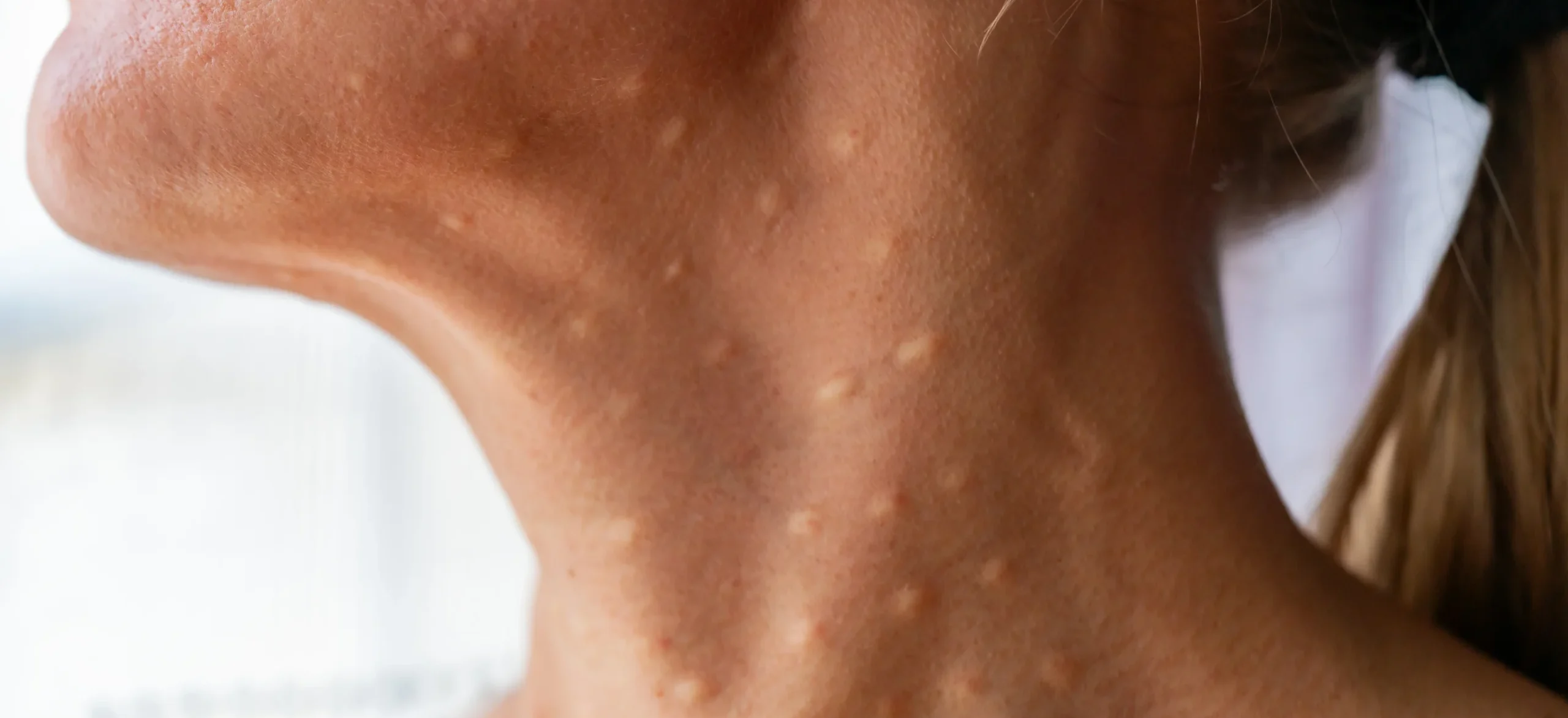
Papules are small, solid, raised bumps on the skin that are usually less than 1 centimeter in diameter. Unlike pimples filled with pus, papules do not contain fluid. They may be red, pink, brown, or skin colored, depending on your skin tone and the underlying cause.
Papules can appear one at a time or in groups. They may be itchy, tender, or painless.
Many skin conditions can cause papules, including acne, eczema, allergic reactions, insect bites, and certain infections.
What Causes Papules?
Papules develop when the skin becomes inflamed or irritated. There are many possible causes.
Some of the most common include:
- Acne
- Contact dermatitis
- Eczema
- Psoriasis
- Insect bites
- Allergic reactions
- Heat rash
- Viral skin infections
- Fungal infections
- Certain medications
- Friction or irritation from clothing
Finding the cause is the first step toward choosing the right treatment.
Can You Get Rid of Papules?
Yes. In many cases, papules can be treated successfully. Some go away within a few days, while others may take several weeks.
Treatment depends on the reason they appeared. Using the wrong treatment may make them worse, so it is important to identify the cause whenever possible.
How to Get Rid of Acne Papules
Acne is one of the most common causes of papules, especially in teenagers and adults with oily skin.
Use a Gentle Cleanser
Wash your face twice a day using a mild cleanser.
Avoid scrubbing your skin because it can increase irritation and inflammation.
Apply Benzoyl Peroxide
Benzoyl peroxide helps kill acne-causing bacteria and reduces inflammation.
Start with a lower strength product if you have sensitive skin.
Try Salicylic Acid
Salicylic acid helps unclog pores by removing excess oil and dead skin cells.
It may also reduce the chance of new papules forming.
Use a Retinoid
Retinoids help prevent clogged pores and encourage healthy skin cell turnover.
Many are available by prescription, while some lower-strength options can be purchased over the counter.
Moisturize Daily
Even oily skin needs moisture.
Choose an oil-free, non-comedogenic moisturizer that will not clog pores.
Wear Sunscreen
Sun exposure may worsen inflammation and increase the risk of dark spots after papules heal.
Use a broad-spectrum sunscreen every day.
How to Get Rid of Papules Caused by Allergies
If an allergic reaction is causing the papules, removing the trigger is important.
Common triggers include:
- New skincare products
- Cosmetics
- Laundry detergents
- Fragrances
- Jewelry
- Plants
Treatment may include:
- Stopping the product causing irritation
- Applying soothing moisturizers
- Using over-the-counter antihistamines if recommended
- Using corticosteroid creams under medical guidance
How to Treat Papules From Eczema
Eczema often causes dry, itchy papules.
Treatment usually includes:
- Thick moisturizers
- Prescription steroid creams
- Gentle skincare products
- Avoiding harsh soaps
- Identifying triggers
Keeping the skin hydrated is one of the most effective ways to reduce eczema flare-ups.
Treating Papules From Insect Bites
Insect bites often produce itchy papules.
To reduce discomfort:
- Apply a cold compress
- Avoid scratching
- Use anti-itch creams if needed
- Keep the area clean
Most insect bite papules improve within several days.
Managing Heat Rash Papules
Heat rash develops when sweat becomes trapped beneath the skin.
Treatment includes:
- Staying in a cool environment
- Wearing loose clothing
- Keeping the skin dry
- Avoiding heavy creams
Heat rash often clears within a few days once the skin cools.
How Long Do Papules Take to Go Away?
Healing time depends on the cause.
In general:
- Mild acne papules may improve within one to three weeks.
- Allergic reactions often improve within several days after removing the trigger.
- Insect bites usually heal within one week.
- Heat rash often clears in a few days.
- Chronic skin conditions may require ongoing treatment.
Consistency is important. Many treatments take several weeks before noticeable improvement occurs.
Should You Pop a Papule?
No.
Papules do not contain pus, so squeezing them usually does not remove anything.
Trying to pop them may:
- Increase inflammation
- Cause infection
- Leave scars
- Delay healing
- Lead to dark spots
It is better to allow papules to heal naturally or use appropriate treatments.
Home Remedies That May Help
Some home remedies may reduce irritation and support healing.
Cold Compress
A cool compress may reduce redness and swelling.
Apply it for 10 to 15 minutes several times a day.
Aloe Vera
Pure aloe vera gel may help soothe irritated skin.
Always test a small area first.
Oatmeal
Colloidal oatmeal products may reduce itching associated with eczema or allergic reactions.
Gentle Moisturizer
Keeping the skin moisturized supports healing and protects the skin barrier.
Choose fragrance-free products if your skin is sensitive.
Lifestyle Tips for Healthier Skin
Healthy habits can support clear skin.
Try to:
- Wash your face gently twice daily.
- Remove makeup before sleeping.
- Drink enough water.
- Eat a balanced diet.
- Get enough sleep.
- Manage stress.
- Avoid smoking.
- Clean makeup brushes regularly.
- Change pillowcases often.
- Avoid touching your face throughout the day.
These habits may reduce irritation and support overall skin health.
Foods That Support Healthy Skin
Although diet is not the only factor, nutritious foods may help maintain healthy skin.
Good choices include:
- Fruits
- Vegetables
- Whole grains
- Lean protein
- Fatty fish
- Nuts
- Seeds
- Beans
These foods provide vitamins, minerals, antioxidants, and healthy fats that support skin repair.
When Should You See a Doctor?
See a healthcare provider if:
- Papules continue for several weeks.
- They become painful.
- They spread quickly.
- They are filled with blood or unusual fluid.
- They repeatedly return.
- You develop a fever.
- Over-the-counter treatments do not help.
- You notice signs of infection.
A dermatologist can identify the cause and recommend the most effective treatment.
Medical Treatments for Papules
If home care does not work, your doctor may recommend stronger treatments.
Depending on the cause, these may include:
- Prescription retinoids
- Topical antibiotics
- Oral antibiotics
- Corticosteroid creams
- Antifungal medications
- Antiviral medications
- Immunomodulating creams
- Allergy medications
Treatment should always match the underlying condition.
Can Papules Leave Scars?
Most papules heal without permanent scars.
However, the risk of scarring increases if you:
- Pick at them
- Squeeze them
- Scratch repeatedly
- Delay treatment
- Develop severe inflammation
Early treatment and gentle skincare help reduce the chance of lasting marks.
How to Prevent Papules
Although not every papule can be prevented, you can lower your risk.
Helpful tips include:
- Keep your skin clean.
- Use skincare products suited for your skin type.
- Moisturize regularly.
- Wear sunscreen daily.
- Avoid harsh scrubs.
- Remove makeup every night.
- Stay hydrated.
- Eat a balanced diet.
- Treat skin conditions early.
- Avoid known allergens whenever possible.
Common Mistakes to Avoid
Many people accidentally make papules worse.
Avoid these common mistakes:
- Scrubbing your skin too hard
- Using too many acne products at once
- Picking or squeezing bumps
- Skipping moisturizer
- Ignoring persistent symptoms
- Sharing towels or makeup
- Sleeping with makeup on
- Trying unproven home remedies
Gentle and consistent skincare usually produces the best results.
Frequently Asked Questions
Are papules contagious?
Most papules are not contagious. However, if they are caused by certain viral or fungal infections, they may spread to others.
Can stress cause papules?
Stress does not directly cause papules, but it may trigger acne or worsen certain skin conditions that lead to papules.
Is it safe to use makeup over papules?
Yes, but choose non-comedogenic and fragrance-free makeup, and remove it gently before bedtime.
Can children develop papules?
Yes. Children can develop papules from insect bites, eczema, heat rash, viral infections, and other common skin conditions.
Do papules always itch?
No. Some papules are itchy, while others are painless or slightly tender depending on their cause.
Can shaving cause papules?
Yes. Shaving may irritate the skin or lead to ingrown hairs, which can appear as papules.
Will papules go away without treatment?
Some papules disappear on their own, while others require medical treatment. It depends on the underlying cause.
Can dehydration cause papules?
Dehydration does not directly cause papules, but healthy hydration supports overall skin function and healing.
Should I exfoliate if I have papules?
Gentle exfoliation may help in some cases of acne, but excessive exfoliation can worsen irritation. Follow a skincare routine suited to your skin type.
Can papules return after treatment?
Yes. If the underlying cause is not addressed, papules may come back. Proper skincare and treating the root cause can reduce future flare-ups.
Conclusion
Getting rid of papules starts with understanding what is causing them. Whether they are due to acne, allergies, eczema, insect bites, or another skin condition, the right treatment can help them heal safely and reduce the chance of future breakouts.
Avoid picking or squeezing papules, follow a gentle skincare routine, and give treatments enough time to work. If your papules are severe, painful, or do not improve after a few weeks, see a healthcare provider or dermatologist for an accurate diagnosis and personalized treatment plan. With the right care and consistency, most papules can be managed effectively and your skin can return to a healthier appearance.
Disclaimer: This article is for informational purposes only and is not a substitute for professional medical advice, diagnosis, or treatment. Consult a healthcare provider or dermatologist if you have persistent, severe, or worsening skin symptoms.

Comprehensive Skincare for Patients of All Ages
BOOK AN APPOINTMENTSince 1982, Palm Beach Dermatology Group has developed treatment plans that reflect our patients’ goals for healthy and beautiful skin. The doctors and professionals on our team have attended top schools, like Brown University, NYU, and the University of Miami, received special honors, and contributed to esteemed medical journals.
Our background and knowledge of the latest pharmaceutical technologies enable us to uphold the highest safety standards and deliver quality service and care to our patients. At PGA Dermatology Skin & Aesthetics Center, we make you feel comfortable and treat you like family from the moment you step inside our waiting room.