

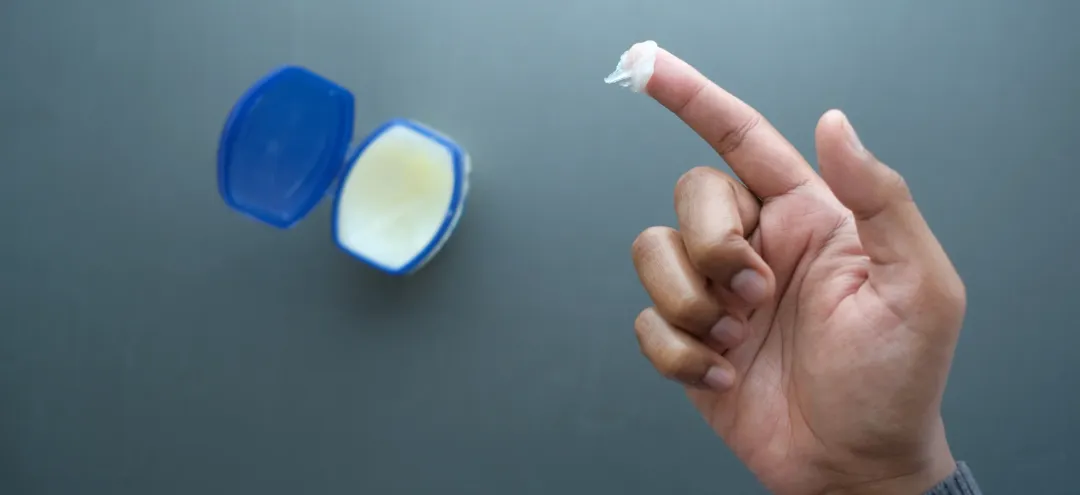
Eczema is one of the most common skin conditions affecting both children and adults. It can cause intense dryness, itching, redness, irritation, and discomfort that may interfere with daily life. Many people with eczema spend years searching for products that can calm flare-ups and protect sensitive skin without causing further irritation.
One product that is frequently recommended for dry and damaged skin is Vaseline. Known for its thick texture and protective properties, Vaseline has been used for generations to help seal moisture into the skin. Because eczema weakens the skin barrier, many dermatologists suggest petroleum jelly products as part of a gentle skincare routine.
This leads many people to ask an important question: is Vaseline good for eczema?
The answer is yes, Vaseline can be very beneficial for eczema in many cases. While it does not cure eczema itself, it can help reduce dryness, improve the skin barrier, and protect irritated skin from losing moisture. For some people, regular use of Vaseline may significantly improve comfort and reduce flare-ups caused by dry skin.
However, there are also situations where Vaseline may not feel ideal for everyone. Understanding how it works, when to apply it, and how it fits into eczema care is important for getting the best results.
In this guide, we will explore how Vaseline affects eczema, its benefits, possible drawbacks, and the best ways to use it safely.
What Is Eczema?
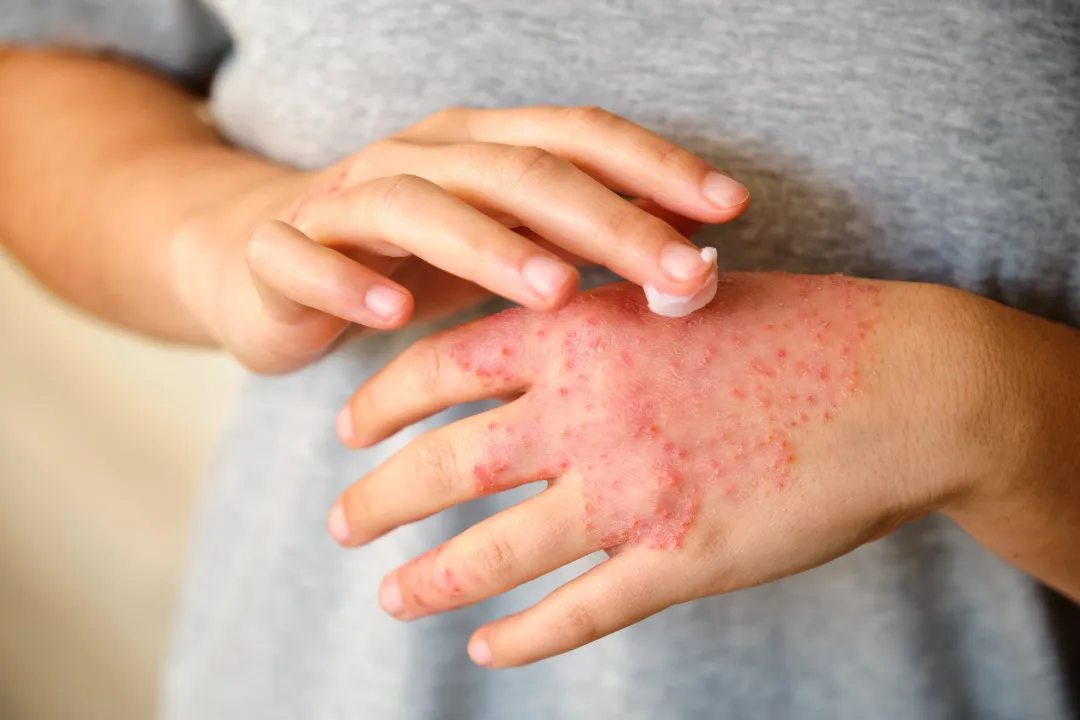
Eczema is a chronic skin condition that causes inflammation and irritation. The most common type is called atopic dermatitis, but there are several forms of eczema that affect the skin differently.
People with eczema often experience periods where symptoms become worse, known as flare-ups.
Common Symptoms of Eczema
Eczema symptoms can vary from person to person but often include:
- Dry skin
- Severe itching
- Redness
- Flaky patches
- Cracked skin
- Burning sensation
- Rough texture
- Swelling
- Sensitive skin
In more severe cases, scratching can cause bleeding or infection.
Areas Commonly Affected by Eczema
Eczema may appear on:
- Hands
- Arms
- Legs
- Face
- Neck
- Elbows
- Knees
- Eyelids
Some people experience eczema in only one area, while others may have widespread symptoms.
What Causes Eczema?
Eczema develops from a combination of genetic and environmental factors.
One of the main problems in eczema is a weakened skin barrier. Healthy skin holds moisture inside and keeps irritants out. In eczema-prone skin, this barrier does not work properly.
Common Eczema Triggers
Several factors can trigger eczema flare-ups.
Dry Weather
Cold or dry air can remove moisture from the skin.
Harsh Soaps
Strong cleansers may strip away protective oils.
Allergies
Certain foods, dust, or pet dander may worsen symptoms.
Stress
Emotional stress can increase inflammation in some individuals.
Heat and Sweat
Sweating may irritate sensitive skin.
Fragrances and Chemicals
Perfumed skincare products can trigger irritation.
Because eczema skin loses moisture easily, hydration and skin protection become very important.
What Is Vaseline?
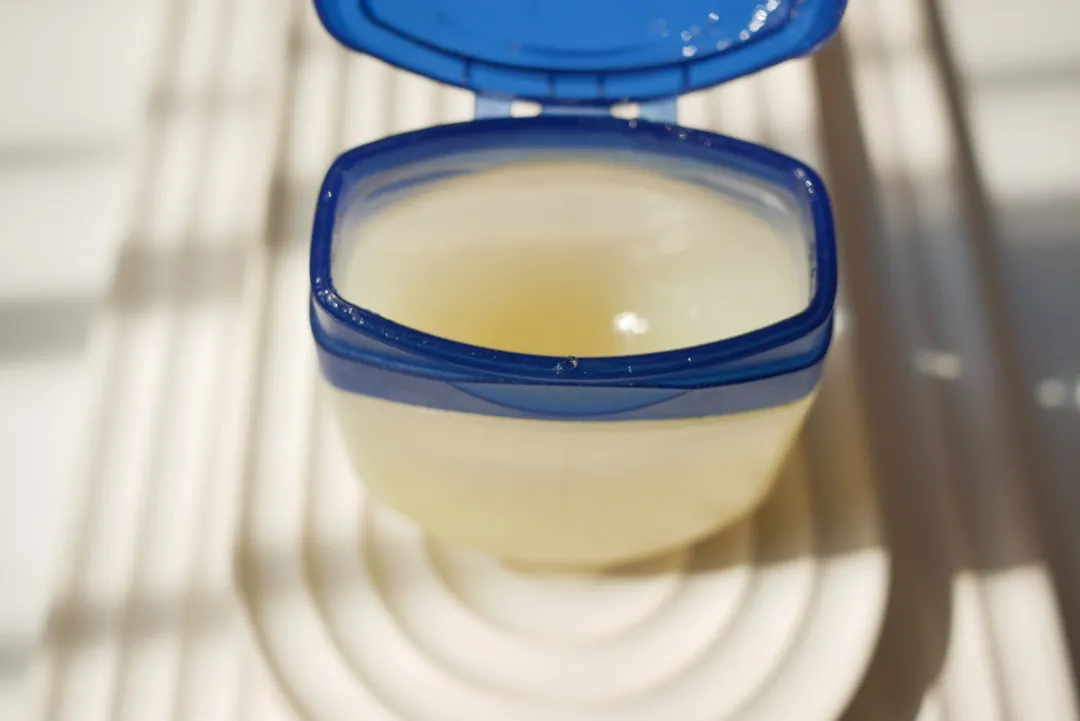
Vaseline is a brand name for petroleum jelly, a thick ointment made from purified petroleum.
It has been widely used for decades to protect and moisturize the skin.
Common Uses of Vaseline
Vaseline is often used for:
- Dry skin
- Chapped lips
- Minor cuts
- Cracked heels
- Skin protection
- Irritated skin
- Preventing moisture loss
Its simple ingredient formula makes it popular among people with sensitive skin.
How Vaseline Works on Eczema
Vaseline works as an occlusive moisturizer.
This means it forms a protective barrier over the skin that helps prevent moisture from escaping.
How Vaseline Helps Eczema-Prone Skin
When applied properly, Vaseline may help:
- Lock in moisture
- Reduce dryness
- Protect cracked skin
- Support healing
- Improve skin barrier function
- Reduce irritation
Because eczema skin loses water quickly, this protective barrier can make a major difference.
Why Moisturizing Is Important for Eczema
Moisturizing is one of the most important parts of eczema treatment.
Without enough moisture, eczema symptoms often become worse.
Problems Caused by Dry Skin
Dry eczema skin may lead to:
- Increased itching
- More inflammation
- Cracking
- Skin damage
- Greater sensitivity
Keeping the skin hydrated can reduce discomfort and help protect against flare-ups.
Is Vaseline Safe for Eczema?
For most people, Vaseline is considered safe for eczema-prone skin.
One reason dermatologists frequently recommend it is because it contains very few ingredients.
Why Vaseline Is Often Recommended
Vaseline is:
- Fragrance-free
- Dye-free
- Preservative-free
- Gentle on sensitive skin
Many lotions and creams contain fragrances or additives that may irritate eczema, while petroleum jelly is much simpler.
Benefits of Vaseline for Eczema
Vaseline offers several important benefits for people managing eczema.
Helps Lock in Moisture
One of the biggest advantages of Vaseline is its ability to trap moisture inside the skin.
Why Moisture Retention Matters
Eczema skin loses water more quickly than healthy skin.
By sealing moisture into the skin, Vaseline may help:
- Reduce dryness
- Improve skin softness
- Prevent cracking
This effect is especially helpful after bathing.
Protects the Skin Barrier
Eczema weakens the skin’s natural protective barrier.
Vaseline creates a physical layer that helps shield the skin from outside irritants.
Environmental Protection
This barrier may help protect the skin from:
- Cold air
- Wind
- Friction
- Harsh fabrics
- Dry indoor heat
May Reduce Itching
Dryness often increases itching in eczema-prone skin.
When moisture levels improve, itching may become less intense. Reducing scratching is important because scratching can worsen inflammation and skin damage.
Supports Skin Healing
Cracked or irritated eczema skin may heal better when protected from excessive dryness.
Vaseline may help create conditions that support natural skin repair.
Affordable and Widely Available
Another major benefit is accessibility.
Vaseline is:
- Inexpensive
- Easy to find
- Available in most stores
This makes it practical for long-term eczema care.
Can Vaseline Cure Eczema?
No, Vaseline does not cure eczema. Eczema is a chronic condition that usually requires ongoing management.
However, Vaseline can help manage symptoms and reduce skin dryness.
What Vaseline Can Do
Vaseline may help:
- Improve comfort
- Protect the skin
- Reduce dryness
- Minimize irritation
What Vaseline Cannot Do
It does not:
- Eliminate eczema permanently
- Treat infections
- Remove all flare-ups
- Replace prescription treatment when needed
Best Time to Apply Vaseline for Eczema
Timing plays an important role in how well Vaseline works.
After Bathing
The best time to apply Vaseline is often right after bathing or showering.
Why This Helps
Applying Vaseline to slightly damp skin helps trap water inside the skin barrier.
This technique is often called “soak and seal.”
Before Bed
Nighttime application may help prevent overnight dryness and scratching.
Many people apply Vaseline before sleeping because the thicker texture works well overnight.
During Cold Weather
Winter air commonly worsens eczema symptoms.
Vaseline can provide extra protection during colder months.
How to Use Vaseline for Eczema
Using Vaseline properly can improve results.
Step 1: Clean the Skin Gently
Use mild, fragrance-free cleansers.
Avoid harsh soaps or strong exfoliants.
Step 2: Pat the Skin Dry
Do not rub aggressively with towels.
Leave the skin slightly damp.
Step 3: Apply Moisturizer if Needed
Some people use a lighter cream first before sealing it with Vaseline.
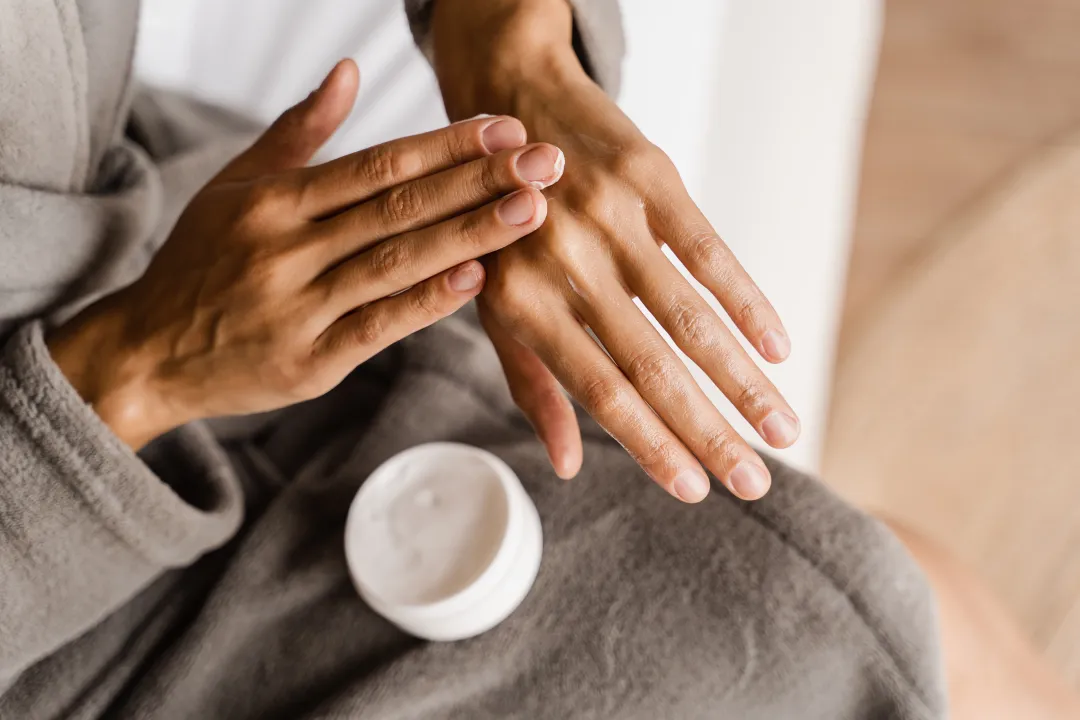
Step 4: Apply a Thin Layer of Vaseline
Spread a thin layer over dry or affected areas.
A thick layer is not always necessary.
Step 5: Reapply When Needed
Very dry skin may require several applications throughout the day.
Vaseline vs Lotion for Eczema
Many people wonder whether Vaseline is better than lotion.
Vaseline
Vaseline is:
- Thicker
- Greasier
- Better at sealing moisture
Lotion
Lotions are:
- Lighter
- Faster absorbing
- More comfortable for daytime use
However, some lotions contain ingredients that may irritate eczema-prone skin.
Vaseline vs Creams for Eczema
Creams fall between lotions and ointments in thickness.
Benefits of Creams
Creams are often:
- Less greasy
- Easier for daytime wear
- More comfortable under clothing
Benefits of Vaseline
Vaseline usually provides:
- Stronger moisture protection
- Longer-lasting hydration
- Better support for severe dryness
Some people combine creams and Vaseline together for better results.
Can Vaseline Make Eczema Worse?
For most people, Vaseline helps eczema rather than worsening it.
However, there are situations where problems may occur.
Applying to Dirty Skin
Applying Vaseline over sweat, bacteria, or dirt may trap irritants against the skin.
Heat and Sweating
Some people dislike using Vaseline in hot weather because it feels heavy or greasy.
Acne-Prone Skin
Vaseline may feel too thick on oily or acne-prone areas.
Individual Reactions
Although uncommon, some individuals may simply not tolerate certain products well.
Is Vaseline Good for Baby Eczema?
Many pediatricians recommend petroleum jelly for babies with eczema.
Baby skin is delicate and loses moisture easily.
Benefits for Babies
Vaseline may help:
- Protect sensitive skin
- Reduce dryness
- Improve comfort
- Prevent irritation
Parents should still consult a healthcare professional for severe eczema symptoms.
Can Vaseline Help Facial Eczema?
Yes, Vaseline can help some people with eczema on the face.
Because facial skin is sensitive, fragrance-free products are often preferred.
However, individuals with oily or acne-prone skin may find it too heavy for daily facial use.
Is Vaseline Good for Eyelid Eczema?
The skin around the eyes is very thin and sensitive.
Some dermatologists recommend petroleum jelly carefully for eyelid dryness.
However, products near the eyes should always be used cautiously.
Does Vaseline Help Cracked Eczema Skin?
Yes, Vaseline may help protect cracked eczema skin by preventing further moisture loss.
Cracked skin often feels painful and irritated.
The protective barrier may help reduce discomfort while supporting healing.
Can Vaseline Help Prevent Eczema Flare-Ups?
Keeping the skin moisturized may help reduce eczema flare-ups in some people.
Although Vaseline cannot prevent every flare-up, healthy skin barriers are generally less vulnerable to irritation.
Is Vaseline Good for Severe Eczema?
Vaseline may still help severe eczema by reducing dryness and protecting damaged skin.
However, severe eczema often requires additional medical treatment.
Treatments That May Be Needed
Some people may also require:
- Prescription creams
- Steroid treatments
- Antihistamines
- Specialized moisturizers
- Medical evaluation
Tips for Managing Eczema Alongside Vaseline
Vaseline works best when combined with healthy skincare habits.
Avoid Hot Showers
Hot water may worsen dryness.
Use Gentle Products
Choose fragrance-free skincare products whenever possible.
Wear Soft Fabrics
Cotton clothing may reduce irritation better than rough fabrics.
Keep Nails Short
Short nails help reduce skin damage from scratching.
Identify Triggers
Understanding personal triggers can help reduce flare-ups.
Common Myths About Vaseline and Eczema
Myth 1: Vaseline Heals Eczema Overnight
Vaseline may improve dryness quickly, but eczema management takes time.
Myth 2: Vaseline Adds Moisture to Skin
Vaseline mainly seals in existing moisture rather than adding water itself.
Myth 3: Greasy Products Are Bad for Eczema
Many thick ointments are actually very effective for dry eczema skin.
Myth 4: Vaseline Is Unsafe Because It Comes From Petroleum
Purified petroleum jelly used in skincare is considered safe for cosmetic use.
Conclusion
So, is Vaseline good for eczema? For many people, the answer is yes. Vaseline can be extremely helpful for managing eczema-related dryness, protecting the skin barrier, and reducing moisture loss. Its simple, fragrance-free formula makes it a popular option for sensitive and eczema-prone skin.
While Vaseline does not cure eczema, it can play an important role in reducing discomfort and supporting healthier skin. Many dermatologists recommend it because of its ability to lock in moisture and protect irritated areas from further dryness.
Like all skincare products, Vaseline works best when used properly and combined with a complete eczema care routine that includes gentle cleansing, trigger management, and medical guidance when necessary.
For people struggling with dry, itchy, or cracked eczema skin, Vaseline remains one of the simplest and most trusted skincare products available.