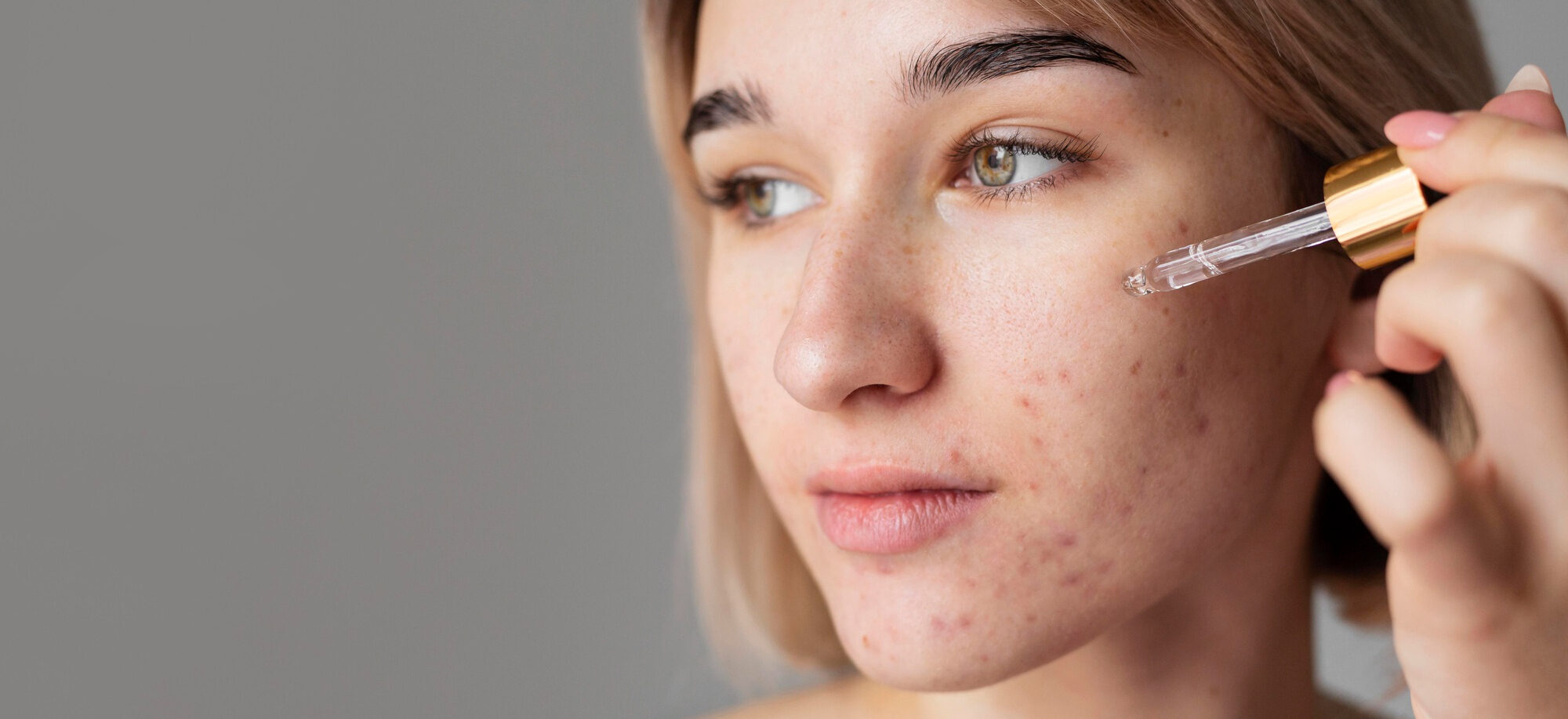
Is Hyaluronic Acid Good for Acne? A Complete Guide
Acne is one of the most common skin concerns in the world. Teenagers get it. Adults get it. Some people struggle with it for years. If you have acne, you probably feel confused about which skincare ingredients are safe and helpful.
One ingredient that appears in many skincare products is hyaluronic acid. You may have seen it in serums, moisturizers, or even acne treatments.
But is hyaluronic acid good for acne?
The short answer is yes. Hyaluronic acid can be very helpful for acne prone skin. However, it does not treat acne directly. It works in a supportive way by keeping your skin healthy and balanced.
What Is Hyaluronic Acid?
Hyaluronic acid is a substance that your body naturally makes. It is found in your skin, eyes, and joints. Its main job is to hold water.
Think of it as a sponge. It attracts and holds moisture. In fact, it can hold up to one thousand times its weight in water.
In skincare products, hyaluronic acid is used to hydrate the skin. It does not add oil. It adds water.
That is an important difference.
Oily skin has too much oil. Dry skin lacks water.
Hyaluronic acid helps with water, not oil.
How Does Hyaluronic Acid Work on the Skin?
Hyaluronic acid is known as a humectant. A humectant is an ingredient that pulls moisture into the skin.
When you apply it:
- It attracts water from the environment.
- It pulls moisture into the upper layer of your skin.
- It helps your skin look smoother and plumper.
- It supports your skin barrier.
The skin barrier is the outer layer of your skin. It protects you from bacteria, pollution, and irritation. When your skin barrier is strong, your skin is less likely to become irritated or inflamed.
This is very important for people with acne.
Does Hyaluronic Acid Cause Acne?
This is one of the most common concerns.
The answer is no. Hyaluronic acid does not cause acne.
It is:
- Lightweight
- Oil free
- Non greasy
- Non comedogenic
Non comedogenic means it does not clog pores.
Clogged pores are one of the main causes of acne. Since hyaluronic acid does not clog pores, it is safe for acne prone skin.
How Acne Forms
To understand how hyaluronic acid helps, you need to understand how acne forms.
Acne usually develops when:
- Your skin produces too much oil.
- Dead skin cells clog your pores.
- Bacteria grow inside the clogged pore.
- Inflammation develops.
This leads to blackheads, whiteheads, pimples, or cysts.
Many acne treatments focus on reducing oil or killing bacteria. But sometimes they can make your skin dry and irritated.
That is where hyaluronic acid becomes helpful.
How Hyaluronic Acid Helps Acne Prone Skin
Hyaluronic acid does not kill acne bacteria. It does not reduce oil production directly. However, it helps in several important ways.
1. It Prevents Over Drying
Many acne treatments contain ingredients like:
- Salicylic acid
- Benzoyl peroxide
- Retinoids
These ingredients are effective, but they can dry out your skin.
When your skin becomes too dry, it may produce even more oil to compensate. More oil can mean more clogged pores.
Hyaluronic acid keeps your skin hydrated. Balanced hydration helps prevent excess oil production.
2. It Reduces Irritation
Dry and irritated skin is more likely to become inflamed. Inflammation makes acne look red, swollen, and painful.
Hyaluronic acid soothes the skin by keeping it moisturized. When your skin is calm, acne often looks less angry.
3. It Supports the Skin Barrier
A damaged skin barrier can lead to:
- More breakouts
- More sensitivity
- Slower healing
Hyaluronic acid strengthens your skin barrier by improving hydration. A strong barrier protects your skin from bacteria and environmental stress.
4. It Helps Skin Heal
When acne heals, it can leave marks behind. Well hydrated skin heals better and faster.
Hyaluronic acid helps maintain moisture, which supports the healing process.
Is Hyaluronic Acid Good for Oily Skin?
Yes, it is excellent for oily skin. Many people with oily skin avoid moisturizers because they think moisture equals oil. This is not true.
If oily skin lacks water, it can produce more oil to compensate. Hyaluronic acid hydrates without adding grease.
It gives water to the skin without making it shiny.
That makes it perfect for:
- Oily skin
- Combination skin
- Acne prone skin
Is Hyaluronic Acid Good for Sensitive Acne Prone Skin?
Yes. Hyaluronic acid is generally very gentle.
It is:
- Fragrance free in many formulas
- Lightweight
- Non irritating for most people
If you have sensitive acne prone skin, hyaluronic acid can help calm dryness caused by acne treatments.
However, always check the full ingredient list. Some products labeled as hyaluronic acid may contain added fragrance or alcohol that can irritate the skin.
Does Hyaluronic Acid Treat Acne Directly?
No, it does not treat acne directly.
It does not:
- Kill acne bacteria
- Unclog pores
- Reduce oil production significantly
Instead, it works as a supportive ingredient. Think of it as a helper. It improves your skin condition so that acne treatments can work better.
For example:
- Use salicylic acid to unclog pores.
- Use benzoyl peroxide to fight bacteria.
- Use hyaluronic acid to keep skin hydrated and balanced.
Together, they can create a healthier routine.
Can Hyaluronic Acid Make Acne Worse?
In most cases, no.
However, problems can happen if:
- You use a product with irritating added ingredients.
- You do not apply it correctly.
- You live in a very dry climate and do not seal it with moisturizer.
Hyaluronic acid needs moisture to work. If you apply it to completely dry skin and do not follow with moisturizer, it may draw water out of deeper layers of skin in dry climates.
That can make skin feel tighter.
The solution is simple:
- Apply it to slightly damp skin.
- Follow with a moisturizer.
How to Use Hyaluronic Acid for Acne
Using it correctly makes a big difference.
Step 1: Cleanse Your Skin
Use a gentle cleanser that suits acne prone skin.
Avoid harsh scrubs. They can irritate acne.
Step 2: Apply Acne Treatment
If you use treatments like salicylic acid or benzoyl peroxide, apply them after cleansing.
Let them absorb for a minute.
Step 3: Apply Hyaluronic Acid
Use a small amount. A few drops are enough.
Apply it on slightly damp skin. Pat it gently into your face.
Step 4: Use Moisturizer
Always seal it with a light, oil free moisturizer.
This locks in hydration.
Step 5: Sunscreen in the Morning
If you use it in the morning, apply sunscreen as the final step.
Can You Use Hyaluronic Acid with Other Acne Ingredients?
Yes. It works well with many acne treatments.
Hyaluronic Acid and Salicylic Acid
This is a great combination. Salicylic acid unclogs pores. Hyaluronic acid prevents dryness.
Hyaluronic Acid and Benzoyl Peroxide
Benzoyl peroxide can be drying. Hyaluronic acid helps reduce irritation.
Hyaluronic Acid and Retinol
Retinol can cause dryness and peeling, especially in the beginning. Hyaluronic acid helps balance that dryness. It can make your skin more comfortable while adjusting to retinol.
How Often Should You Use Hyaluronic Acid?
You can use it:
- Once a day
- Twice a day
It is gentle enough for daily use. Most people use it morning and night.
What Type of Hyaluronic Acid Product Is Best for Acne?
Look for:
- Lightweight serum
- Oil free formula
- Non comedogenic label
- Fragrance free
Avoid thick creams with heavy oils if you have very oily or acne prone skin.
A simple serum is usually the best option.
What Results Can You Expect?
Hyaluronic acid does not work overnight to clear acne.
Instead, you may notice:
- Skin feels softer within days
- Less tightness or dryness
- Less irritation from acne treatments
- Healthier skin over time
It improves overall skin condition, which can support clearer skin long term.
Common Myths About Hyaluronic Acid and Acne
Myth 1: It Is an Acid So It Must Be Harsh
Despite the word acid, hyaluronic acid is not exfoliating. It does not peel your skin. It is hydrating.
Myth 2: It Makes Skin Oily
It adds water, not oil. It does not increase grease.
Myth 3: Oily Skin Does Not Need Hydration
All skin types need hydration, even oily skin.
Who Should Use Hyaluronic Acid?
It is suitable for:
- Teenagers with acne
- Adults with hormonal acne
- People using drying acne treatments
- Oily and combination skin types
- Sensitive acne prone skin
It is one of the safest skincare ingredients for most people.
Who Should Be Careful?
Very rarely, some people may experience irritation. If that happens:
- Stop using the product
- Check for added ingredients
- Patch test a different brand
If you have severe cystic acne, hyaluronic acid alone will not solve the problem. You may need prescription treatments from a dermatologist.
Frequently Asked Questions
Can hyaluronic acid help with acne scars?
Hyaluronic acid does not remove deep acne scars. However, it can improve the appearance of mild acne marks by keeping the skin hydrated and plump. When the skin is well hydrated, it looks smoother and more even. For deep scars, treatments like microneedling, chemical peels, or laser therapy may be needed.
Is hyaluronic acid safe for fungal acne?
Yes, pure hyaluronic acid is generally considered safe for fungal acne because it does not feed the yeast that causes it. However, the full product formula matters. Some serums contain added ingredients that may trigger fungal acne. Always check the ingredient list if you are prone to this condition.
Can teenagers use hyaluronic acid for acne?
Yes, teenagers can safely use hyaluronic acid. It is gentle and suitable for young skin. It can help reduce dryness caused by acne treatments and support a healthy skin barrier during puberty when breakouts are common.
Should I use hyaluronic acid before or after moisturizer?
Hyaluronic acid should be applied before moisturizer. Apply it on slightly damp skin after cleansing or after treatment products. Then seal it in with a moisturizer to lock in hydration.
Can hyaluronic acid be used on body acne?
Yes, it can be used on areas like the back, chest, or shoulders. If body acne treatments cause dryness or irritation, a lightweight hyaluronic acid lotion or serum can help maintain skin hydration without clogging pores.
Does hyaluronic acid expire?
Yes, like all skincare products, it has an expiration date. Using expired products may reduce effectiveness and could irritate the skin. Always check the packaging for the expiration date or the period after opening symbol.
Can hyaluronic acid be used during pregnancy for acne?
Hyaluronic acid is generally considered safe during pregnancy because it works on the surface of the skin and is not known to be harmful. However, if you are pregnant, it is always best to consult your healthcare provider before starting any new skincare product.
Is it normal to feel sticky after applying hyaluronic acid?
Some formulas may feel slightly sticky for a few seconds. This usually fades once you apply moisturizer on top. If the stickiness continues, you may be using too much product or need a different formula.
Can I use hyaluronic acid in a humid climate?
Yes, hyaluronic acid works well in humid climates because there is more moisture in the air for it to draw into the skin. It can be especially effective in helping your skin stay hydrated throughout the day.
Can hyaluronic acid replace my acne treatment?
No, hyaluronic acid should not replace acne treatment products. It does not fight bacteria or unclog pores. It works best as a supportive product in your routine to keep your skin balanced and hydrated while you use acne treatments.
So, is hyaluronic acid good for acne?
Yes, it is a helpful ingredient for acne prone skin. It does not treat acne directly, but it supports your skin in important ways.
It:
- Keeps skin hydrated
- Reduces irritation
- Strengthens the skin barrier
- Supports healing
If you are using strong acne treatments, adding hyaluronic acid can make your routine more balanced and comfortable.
Healthy skin is balanced skin. When your skin has enough water and a strong barrier, it can handle acne treatments better. If you are building a simple acne routine, hyaluronic acid is a safe and smart addition.
Clear skin takes time, patience, and consistency. Adding the right supportive ingredients can make the journey easier and more comfortable.

Comprehensive Skincare for Patients of All Ages
BOOK AN APPOINTMENTSince 1982, Palm Beach Dermatology Group has developed treatment plans that reflect our patients’ goals for healthy and beautiful skin. The doctors and professionals on our team have attended top schools, like Brown University, NYU, and the University of Miami, received special honors, and contributed to esteemed medical journals.
Our background and knowledge of the latest pharmaceutical technologies enable us to uphold the highest safety standards and deliver quality service and care to our patients. At PGA Dermatology Skin & Aesthetics Center, we make you feel comfortable and treat you like family from the moment you step inside our waiting room.