
Is Eczema Hereditary?
Eczema is one of the most common skin conditions in the world, affecting millions of children and adults. It often causes dry, itchy, irritated, and inflamed skin that may become uncomfortable or even painful during flare-ups. Because eczema frequently appears in multiple family members, many people wonder whether the condition is hereditary.
The short answer is yes, eczema is often hereditary. Genetics can play a major role in the development of eczema, especially a common form called atopic dermatitis. People who have parents or close relatives with eczema, asthma, allergies, or hay fever are generally more likely to develop eczema themselves.
However, genetics is only one part of the story. Environmental factors, immune system responses, skincare habits, allergens, weather, stress, and skin barrier problems can also influence whether eczema develops and how severe it becomes.
Understanding the hereditary nature of eczema can help families recognize symptoms early, manage flare-ups better, and protect sensitive skin more effectively.
In this guide, we will explore whether eczema is hereditary, how genetics influence eczema, the role of family history, environmental triggers, treatment options, and what researchers currently understand about this common skin condition.
What Is Eczema?
Eczema is a group of inflammatory skin conditions that cause irritation, itching, and dryness.
The most common type of eczema is called atopic dermatitis.
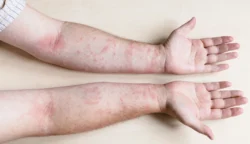
Common Symptoms of Eczema
Symptoms can vary from person to person but often include:
- Dry skin
- Red patches
- Severe itching
- Flaking skin
- Cracked skin
- Swelling
- Rough texture
- Sensitive skin
In some cases, scratching may lead to bleeding or skin infections.
Areas Commonly Affected by Eczema
Eczema may appear on different parts of the body, including:
- Hands
- Arms
- Legs
- Face
- Neck
- Elbows
- Knees
- Eyelids
Babies and young children often develop eczema on the cheeks and scalp.
Is Eczema Hereditary?
Yes, eczema is often hereditary.
Many people with eczema have a family history of eczema, asthma, allergies, or hay fever.
How Genetics Influence Eczema
Researchers believe certain inherited genes can affect:
- Skin barrier strength
- Moisture retention
- Immune system responses
- Skin sensitivity
- Inflammation control
These inherited traits may increase the risk of developing eczema.
Does Family History Matter?
Family history is one of the strongest risk factors for eczema.
If One Parent Has Eczema
A child has a higher chance of developing eczema if one parent has:
- Eczema
- Asthma
- Allergies
- Hay fever
If Both Parents Have Eczema
The risk becomes even higher when both parents have atopic conditions.
However, inherited risk does not guarantee that eczema will develop.
What Is the Atopic Triad?
Doctors often connect eczema with two other allergic conditions known as the atopic triad.
Eczema
Atopic dermatitis is the skin-related part of the triad.
Asthma
Many people with eczema also experience asthma symptoms.
Allergic Rhinitis
Hay fever and seasonal allergies are commonly linked to eczema.
People with one atopic condition often have an increased risk of developing another.
The Genetic Connection to Eczema
Scientists continue researching the exact genes involved in eczema development.
Skin Barrier Genetics
One of the most important hereditary factors involves the skin barrier.
What the Skin Barrier Does
Healthy skin acts as a protective shield that:
- Keeps moisture inside
- Blocks bacteria
- Prevents irritation
- Protects against allergens
Weak Skin Barrier in Eczema
People with eczema often inherit skin that loses moisture more easily.
This may lead to:
- Excessive dryness
- Increased irritation
- Sensitive skin
- Greater inflammation
The Filaggrin Gene and Eczema
One of the best-known genes linked to eczema is the filaggrin gene.
What Is Filaggrin?
Filaggrin is a protein that helps maintain healthy skin structure and moisture retention.
Filaggrin Mutations
Some people inherit mutations in the filaggrin gene.
These mutations may weaken the skin barrier and increase the risk of:
- Dry skin
- Eczema flare-ups
- Skin sensitivity
Not every person with eczema has this mutation, but it is strongly associated with atopic dermatitis.
Immune System Genetics
Genetics can also affect how the immune system reacts to irritants and allergens.
Overactive Immune Responses
Some people inherit immune systems that respond too aggressively to triggers.
This may increase:
- Inflammation
- Itching
- Redness
- Allergic reactions
An overactive immune response is one reason eczema flare-ups occur.
Can You Have Eczema Without Family History?
Yes, it is possible to develop eczema even without a known family history.
Although genetics increases risk, environmental and immune system factors also contribute.
Environmental Factors
Certain environmental triggers may increase the likelihood of eczema symptoms.
Common Environmental Triggers
These may include:
- Dry weather
- Harsh soaps
- Fragrances
- Dust mites
- Pet dander
- Pollution
- Stress
- Sweat
Skin Damage and Irritation
Repeated skin irritation may also contribute to eczema development.
Is Baby Eczema Hereditary?
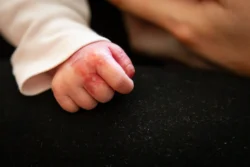
Baby eczema is often strongly linked to genetics and family history.
Eczema in Infants
Many babies who develop eczema have relatives with:
- Eczema
- Asthma
- Allergies
- Hay fever
Common Signs of Baby Eczema
Symptoms in babies may include:
- Dry cheeks
- Red patches
- Itchy skin
- Irritated scalp
- Rough skin texture
Some children outgrow eczema, while others continue experiencing symptoms later in life.
Can Eczema Skip Generations?
Yes, eczema may appear to skip generations in some families. A person may carry inherited eczema-related genes without showing obvious symptoms.
Future generations may still inherit the genetic tendency.
Types of Eczema and Heredity
Not all forms of eczema are equally connected to genetics.
Atopic Dermatitis
Atopic dermatitis is the most strongly hereditary type of eczema.
Contact Dermatitis
Contact dermatitis is mainly triggered by direct exposure to irritants or allergens.
Common Causes of Contact Dermatitis
These may include:
- Chemicals
- Soaps
- Metals
- Fragrances
- Cleaning products
Genetics may still influence skin sensitivity, but environmental exposure plays a bigger role.
Dyshidrotic Eczema
This form of eczema causes small blisters on the hands and feet.
Both genetic and environmental factors may contribute.
Seborrheic Dermatitis
Seborrheic dermatitis has different causes and is less strongly connected to hereditary factors.
Environmental Triggers and Hereditary Eczema
Even when eczema is hereditary, triggers usually influence flare-ups.
Common Eczema Triggers
Weather Changes
Cold or dry weather can worsen eczema.
Harsh Skincare Products
Strong soaps and scented products may irritate sensitive skin.
Stress
Stress may increase inflammation and itching.
Allergens
Dust, pollen, mold, and pets may trigger symptoms in some people.
Sweating and Heat
Heat and sweat can irritate eczema-prone skin.
Why Some Family Members Have More Severe Eczema
Not everyone in the same family experiences eczema the same way.
Genetic Differences
Family members may inherit different combinations of genes.
Environmental Differences
Lifestyle and environment can affect symptom severity.
Immune System Variation
Immune responses vary between individuals.
Some people naturally experience stronger inflammatory reactions.
Can Hereditary Eczema Be Prevented?
There is no guaranteed way to completely prevent hereditary eczema.
However, early skincare and trigger management may reduce symptoms and flare-ups.
Skin Moisturizing
Keeping skin moisturized helps protect the skin barrier.
Benefits of Moisturizing
Regular moisturizing may help:
- Reduce dryness
- Protect sensitive skin
- Lower irritation risk
Avoiding Harsh Products
Gentle, fragrance-free skincare products are often recommended.
Managing Allergies
Reducing allergen exposure may help some people with eczema.
Gentle Bathing Habits
Avoiding long hot showers may reduce skin dryness.
Is Eczema Contagious?
You cannot catch eczema through:
- Touching
- Hugging
- Sharing clothing
- Physical contact
Although eczema often runs in families, it is not spread like an infection.
Can Stress Trigger Hereditary Eczema?
Yes, stress is a common trigger for eczema flare-ups.
Emotional Stress and Skin Inflammation
Stress may worsen:
- Itching
- Redness
- Skin irritation
- Sleep problems
The Itch-Stress Cycle
Stress may increase itching, and scratching may worsen eczema, creating a frustrating cycle.
Allergies and Hereditary Eczema
Many people with hereditary eczema also have allergies.
Food Allergies
Some individuals may react to certain foods.
Common Food Triggers
Possible triggers may include:
- Dairy
- Eggs
- Nuts
- Wheat
- Soy
Not all eczema is caused by food allergies.
Environmental Allergies
Dust mites, pollen, and pet dander may also worsen symptoms.
Can Adults Develop Hereditary Eczema?
Yes, hereditary eczema may first appear during adulthood.
Although genes are inherited at birth, symptoms may not appear until later due to:
- Stress
- Environmental changes
- Skin irritation
- Immune system changes
Adult eczema is becoming increasingly common.
How Doctors Diagnose Hereditary Eczema
Doctors usually diagnose eczema through:
- Skin examination
- Medical history
- Family history
- Symptom patterns
There is no single laboratory test that confirms hereditary eczema.
Treatment Options for Hereditary Eczema
Although eczema cannot usually be cured permanently, symptoms can often be managed successfully.
Moisturizers
Daily moisturizing is one of the most important treatments.
Prescription Creams
Doctors may prescribe:
- Steroid creams
- Non-steroid anti-inflammatory creams
Antihistamines
Some people use antihistamines to help reduce itching.
Lifestyle Changes
Avoiding triggers may help reduce flare-ups.
Gentle Skincare
Sensitive-skin products are often recommended.
Can Genetics Research Improve Eczema Treatment?
Researchers continue studying the genetic causes of eczema.
Future treatments may become more personalized based on:
- Genetic differences
- Immune system responses
- Skin barrier function
Genetics research may improve prevention and treatment strategies over time.
Emotional Impact of Hereditary Eczema
Eczema can affect emotional health as well as physical comfort.
Self-Confidence
Visible eczema may affect confidence and social comfort.
Frustration From Flare-Ups
Repeated itching and irritation can become emotionally exhausting.
Family Concerns
Parents with eczema may worry about passing the condition to children.
Support, education, and proper treatment can help improve quality of life.
Common Myths About Hereditary Eczema
Several misconceptions exist about eczema and genetics.
Myth 1: Children Will Definitely Inherit Eczema
Genetics increases risk but does not guarantee eczema development.
Myth 2: Eczema Is Only Genetic
Environmental factors also play major roles.
Myth 3: Eczema Is Contagious
Eczema cannot spread from person to person.
Myth 4: People Always Outgrow Eczema
Some people improve with age, while others continue having symptoms into adulthood.
Why Understanding Hereditary Eczema Matters
Understanding the hereditary nature of eczema can help people:
- Recognize symptoms early
- Identify triggers
- Protect sensitive skin
- Seek treatment sooner
- Improve long-term skin care
Knowledge about genetics may help families better manage eczema risk.
FAQs
1. Can hereditary eczema become less severe over time?
Yes, some people notice that hereditary eczema becomes milder as they grow older, while others may continue experiencing flare-ups throughout adulthood. The severity often changes depending on lifestyle, environment, and skincare habits.
2. Does having eczema mean your children will definitely have it too?
No, having eczema increases the risk for children, but it does not guarantee they will develop the condition. Genetics only increase susceptibility.
3. Can twins both develop eczema if it is hereditary?
Yes, identical twins are more likely to both develop eczema because they share the same genes, although one twin may still have milder or more severe symptoms than the other.
4. Is hereditary eczema linked to sensitive skin?
Yes, people with hereditary eczema often naturally have more sensitive skin because their skin barrier may not protect against irritation as effectively.
5. Can hereditary eczema appear suddenly after years without symptoms?
Yes, some people may go years without symptoms and later develop flare-ups due to stress, environmental triggers, allergies, or skin damage.
6. Are seasonal changes harder for people with hereditary eczema?
Many people with hereditary eczema experience worsening symptoms during winter, dry weather, or seasonal allergy periods because environmental changes can trigger inflammation.
7. Can hereditary eczema affect sleep?
Yes, severe itching and skin discomfort may interfere with sleep quality, especially during nighttime flare-ups.
8. Is hereditary eczema more common in children or adults?
Hereditary eczema often begins during childhood, but adults can also develop symptoms later in life even if they did not have eczema as children.
9. Can pollution worsen hereditary eczema?
Yes, pollution, smoke, and poor air quality may irritate sensitive skin and increase eczema flare-ups in some individuals.
10. Does hereditary eczema affect only the skin?
While eczema mainly affects the skin, it is also connected to immune system responses and may occur alongside allergies or asthma in some people.
Conclusion
So, is eczema hereditary? In many cases, yes. Genetics plays a major role in eczema development, especially atopic dermatitis. People with family histories of eczema, asthma, allergies, or hay fever often have a higher chance of developing eczema themselves.
However, eczema is not caused by genetics alone. Environmental triggers, skin barrier weakness, immune system responses, stress, and allergens also influence whether symptoms develop and how severe they become.
Although hereditary eczema cannot always be prevented, proper skincare, trigger management, early treatment, and healthy skin habits can help reduce flare-ups and improve quality of life.
Understanding the connection between genetics and eczema gives individuals and families a better chance to manage the condition effectively and protect sensitive skin over time.

Comprehensive Skincare for Patients of All Ages
BOOK AN APPOINTMENTSince 1982, Palm Beach Dermatology Group has developed treatment plans that reflect our patients’ goals for healthy and beautiful skin. The doctors and professionals on our team have attended top schools, like Brown University, NYU, and the University of Miami, received special honors, and contributed to esteemed medical journals.
Our background and knowledge of the latest pharmaceutical technologies enable us to uphold the highest safety standards and deliver quality service and care to our patients. At PGA Dermatology Skin & Aesthetics Center, we make you feel comfortable and treat you like family from the moment you step inside our waiting room.