Is Eczema an Autoimmune Disease? What You Really Need to Know
Eczema can be frustrating, painful, and persistent. If you’ve ever wondered “Is eczema an autoimmune disease?”, you’re not alone. With symptoms like redness, itching, and inflammation, it’s easy to assume eczema falls under the autoimmune umbrella. The truth is more complex, and much more interesting. In this article, we’ll break it down in a way that’s easy to understand, whether you’re dealing with eczema yourself or just want to know more.
What Is Eczema and What Does It Look Like?
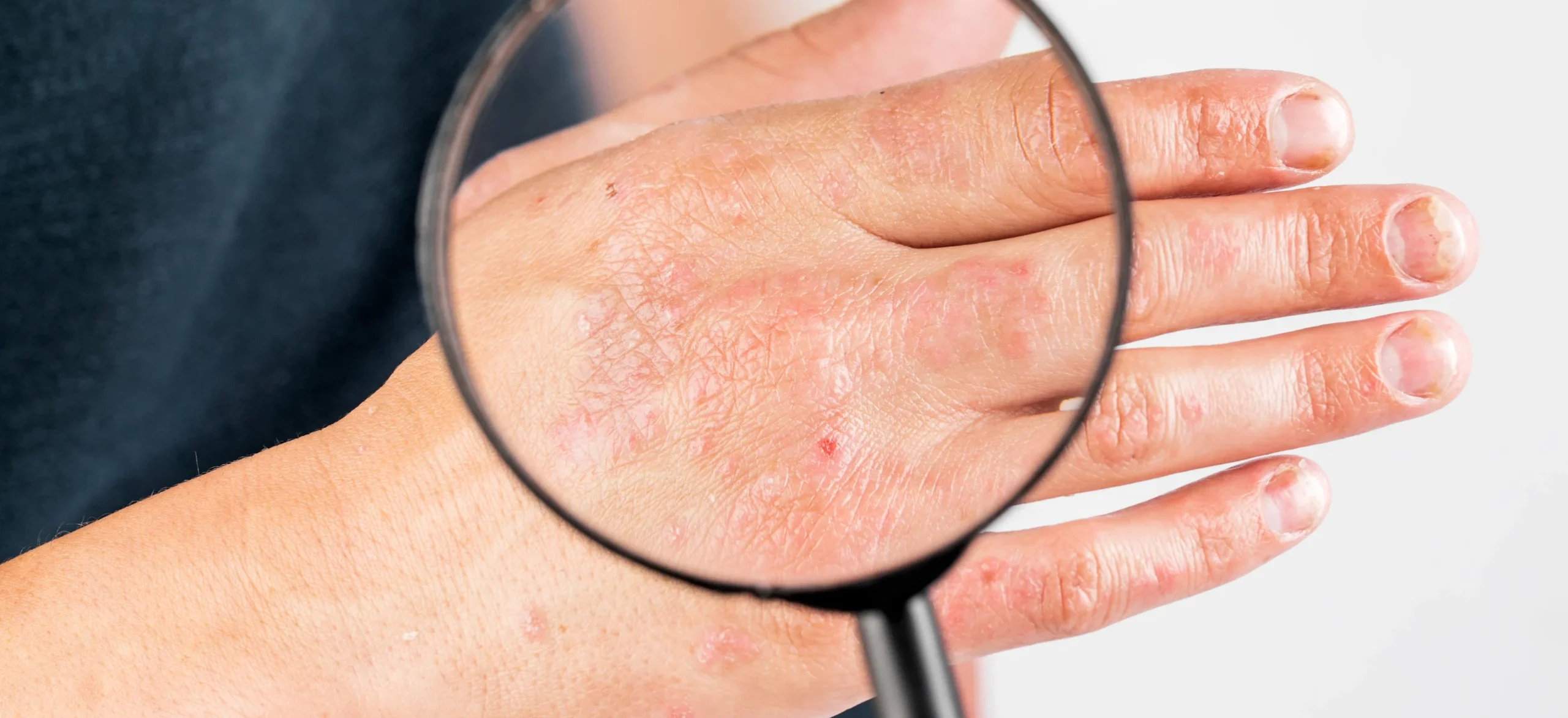
Eczema, also called atopic dermatitis, is a long-term skin condition that causes:
- Dry, flaky patches
- Red or inflamed skin
- Itching that can become severe
- Cracks or oozing in extreme cases
It’s common in both kids and adults, and symptoms often come and go in cycles or “flare-ups.” While eczema isn’t contagious, it can seriously affect quality of life.
Why People Think Eczema Might Be Autoimmune
The question “Is eczema an autoimmune disease?” pops up often because eczema involves the immune system. Here’s why it causes confusion:
In autoimmune diseases like lupus or rheumatoid arthritis, the immune system attacks the body’s own cells. With eczema, the immune system also overreacts—but not by attacking the body directly. Instead, it goes into overdrive in response to harmless triggers like:
- Dust
- Soap or detergent
- Pet dander
- Heat or sweat
- Stress
So while eczema isn’t autoimmune by definition, it does involve immune dysfunction.

How Eczema Is Different from Autoimmune Conditions
Even though they both involve the immune system, eczema and autoimmune diseases are different. Here’s a quick comparison:
| Feature | Eczema | Autoimmune Diseases |
| Cause | Overreaction to allergens or irritants | Immune system attacks own tissues |
| Autoantibodies | Not usually present | Often found |
| Symptoms | Itchy, red, dry skin | Depends on condition (fatigue, joint pain, etc.) |
| Common Triggers | Environment, stress, allergens | Internal immune system error |
| Examples | Atopic dermatitis | Lupus, psoriasis, celiac disease |
Bottom line: eczema is not an autoimmune disease, but it behaves similarly in some ways.
The Role of the Immune System in Eczema
Your immune system is designed to protect you from threats. In people with eczema, it goes into overdrive when it shouldn’t. Here’s what happens:
- Barrier Breakdown: Eczema often starts with a damaged skin barrier. This lets allergens and irritants get in easily.
- Immune Overreaction: The immune system sees those substances and overreacts, causing inflammation.
- Itchy Cycle: The skin becomes itchy, which leads to scratching and more inflammation.
So while your immune system is trying to help, it actually makes things worse in eczema.
Can Eczema Be Related to Other Immune Issues?
Yes, it can. People with eczema often also have:
- Asthma
- Seasonal allergies
- Food allergies
This group of conditions is known as the atopic triad, and all are connected to immune hypersensitivity. While these aren’t autoimmune diseases, they do show how eczema is tied to a hyperactive immune system.
Also, studies show people with eczema might be slightly more likely to develop autoimmune diseases like thyroid problems or celiac disease, but that doesn’t mean eczema causes them.
What Doctors and Researchers Say About It
Most experts agree: eczema is not officially classified as an autoimmune disease.
However, because it involves immune dysfunction, it is sometimes referred to as an immune-mediated condition. That means the immune system plays a big role, but it’s not attacking the body’s own tissues like it would in an autoimmune condition.
Dermatologists typically treat eczema as a chronic inflammatory skin disorder, not an autoimmune one.
Could Science Change That in the Future?
Possibly. Researchers are still learning more about the immune pathways involved in eczema. Some areas of ongoing study include:
- T-Cells and Cytokines: These immune system cells and proteins are active in both eczema and autoimmune conditions.
- Long-Term Immune Memory: Eczema might involve “memory” in the immune system, which keeps overreacting to past triggers.
Still, for now, there’s no solid evidence that eczema should be labeled as autoimmune.
Why Knowing the Difference Matters
Understanding the answer to “Is eczema an autoimmune disease?” helps guide the right treatments.
Common Treatments for Eczema Include:
- Moisturizers to restore the skin barrier
- Topical steroids to reduce inflammation
- Antihistamines to calm itching
- Biologics like Dupixent that target immune signals
- Phototherapy for stubborn cases
These treatments aim to calm down the immune system and repair the skin, but not to suppress it entirely like in autoimmune treatments.
Autoimmune Disease Treatments Include:
- Immunosuppressants (such as methotrexate)
- Biologic drugs targeting autoimmune pathways
- Corticosteroids for inflammation
- Lifestyle and diet changes to manage flares
Since the goals are different, it’s important not to confuse eczema with autoimmune disease when making treatment decisions.

Quick Answers About Eczema and the Immune System
Does having eczema mean my immune system is weak?
Not at all. It means your immune system is oversensitive, not weak.
Can eczema turn into an autoimmune disease?
No, eczema won’t turn into something like lupus or rheumatoid arthritis. But you might be at slightly higher risk for other immune-related issues.
Is psoriasis the same as eczema?
No. Psoriasis is an autoimmune skin disease, while eczema is not. They can look similar but have different causes and treatments.
Will eczema ever go away?
It might. Some people outgrow it, especially if it starts in childhood. Others deal with it into adulthood, but symptoms can often be managed well with treatment.
Conclusion
To wrap it up: eczema is not considered an autoimmune disease. It’s a chronic condition that involves an overactive immune system, but it doesn’t involve the immune system attacking the body’s own tissues.
Think of eczema more as an immune overreaction to the environment, not a case of the body turning on itself. Understanding that difference can help you find better treatments, manage flares, and take control of your skin health.
If you’re dealing with eczema, work with a dermatologist to create a personalized treatment plan. New therapies are coming out all the time that target the immune system more precisely, giving you more tools than ever to manage the condition.

Comprehensive Skincare for Patients of All Ages
BOOK AN APPOINTMENTSince 1982, Palm Beach Dermatology Group has developed treatment plans that reflect our patients’ goals for healthy and beautiful skin. The doctors and professionals on our team have attended top schools, like Brown University, NYU, and the University of Miami, received special honors, and contributed to esteemed medical journals.
Our background and knowledge of the latest pharmaceutical technologies enable us to uphold the highest safety standards and deliver quality service and care to our patients. At PGA Dermatology Skin & Aesthetics Center, we make you feel comfortable and treat you like family from the moment you step inside our waiting room.