How to Heal a Popped Blackhead?
Blackheads are one of the most common skin concerns, and it can be tempting to squeeze them as soon as you notice one. While some blackheads can be removed successfully, popping them the wrong way can leave your skin red, irritated, or even infected. If you’ve already popped a blackhead, the good news is that proper aftercare can help your skin heal quickly and reduce the risk of scarring.
This guide explains what happens after a blackhead is popped, the best ways to care for your skin, what to avoid during the healing process, and when it’s time to see a dermatologist.
What Is a Popped Blackhead?
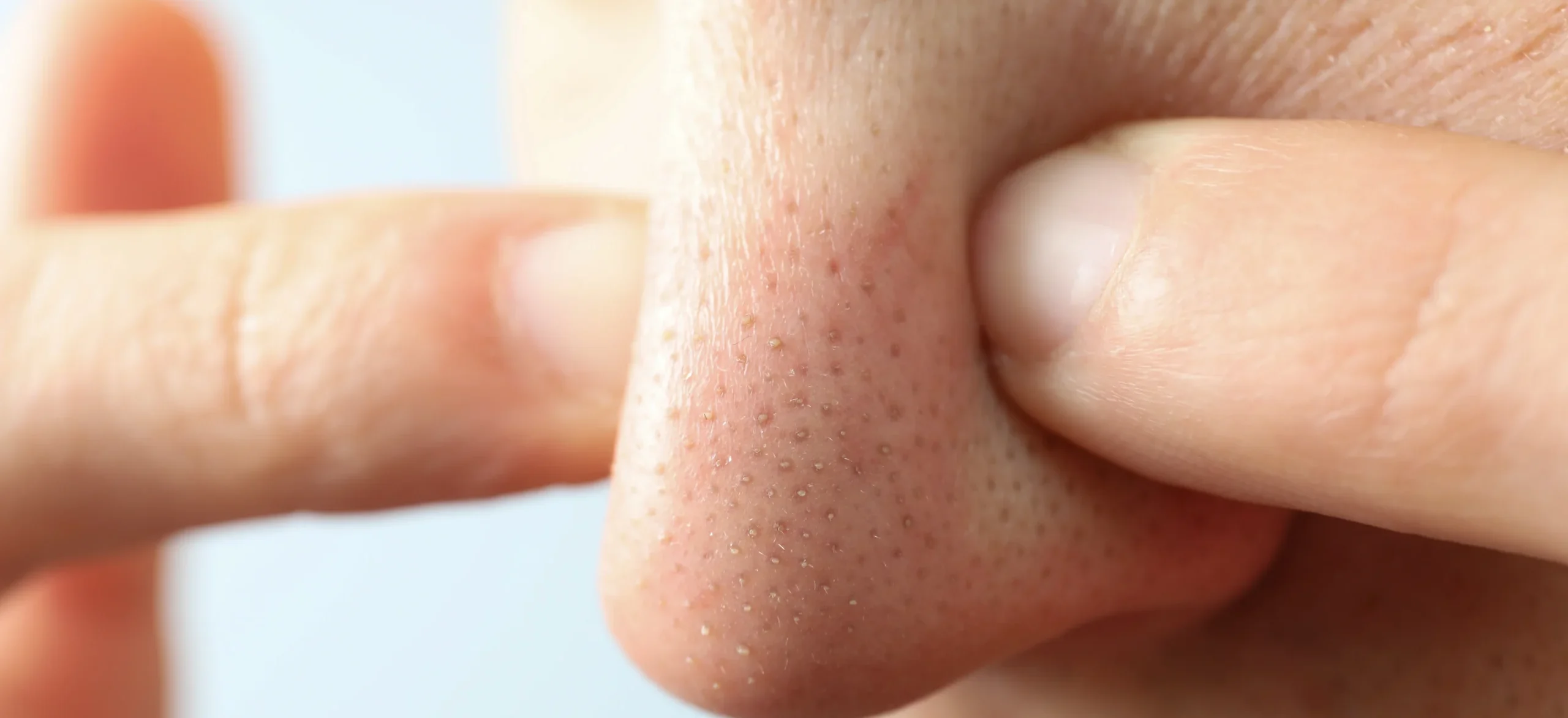
A popped blackhead is a blackhead that has been squeezed or extracted, either by hand or with a comedone extractor. When the clogged oil, dead skin cells, and debris are removed, the pore may be left slightly irritated or open, causing redness, swelling, or minor bleeding. While a popped blackhead often heals on its own with proper care, improper squeezing or repeated picking can damage the surrounding skin and increase the risk of infection, scarring, or dark spots.
What Happens When You Pop a Blackhead?
A blackhead forms when a hair follicle becomes clogged with excess oil, dead skin cells, and debris. Because the pore remains open, the material inside reacts with air and turns dark, creating the appearance of a blackhead.
When you squeeze a blackhead, the clogged material may come out completely. However, if too much pressure is used or the blackhead is deep, the surrounding skin can become damaged. This may result in:
- Redness
- Swelling
- Mild bleeding
- Tenderness
- Scabbing
- Temporary dark marks
- Infection if bacteria enter the open pore
Taking care of the area immediately after extraction can help your skin recover more comfortably and reduce the likelihood of lasting marks.
Should You Pop Blackheads?
Dermatologists generally recommend avoiding popping blackheads at home because it increases the risk of irritation, infection, and scarring. Improper squeezing can also push debris deeper into the pore instead of removing it.
If a blackhead does not come out with gentle pressure, it’s best to leave it alone or have it professionally extracted. Repeated squeezing often causes more damage than the blackhead itself.
How to Heal a Popped Blackhead
If you’ve already popped a blackhead, follow these steps to support the healing process.
1. Wash Your Hands First
Before touching your face, wash your hands thoroughly with soap and water. Clean hands help prevent bacteria from entering the open pore.
2. Clean the Area Gently
Wash the affected area using a mild facial cleanser and lukewarm water. Avoid scrubbing, as this can worsen irritation.
Choose a cleanser that is:
- Fragrance-free
- Gentle on sensitive skin
- Non-comedogenic
Pat your skin dry with a clean towel instead of rubbing it.
3. Apply a Cold Compress
If the area is swollen or painful, wrap an ice pack in a clean cloth and place it on the skin for 5 to 10 minutes.
A cold compress may help:
- Reduce redness
- Minimize swelling
- Calm inflammation
- Relieve discomfort
Never apply ice directly to your skin, as it may cause irritation.
4. Protect the Skin
If the blackhead left behind a small open wound, avoid touching it unnecessarily. Your skin needs time to rebuild its protective barrier.
Keeping the area clean is often enough for minor injuries.
5. Keep Your Skin Hydrated
Moisturized skin heals better than dry, irritated skin. Apply a lightweight, non-comedogenic moisturizer to help support your skin barrier.
Look for ingredients such as:
- Ceramides
- Hyaluronic acid
- Glycerin
These ingredients help lock in moisture without clogging pores.
Can You Use a Pimple Patch?
Yes. A hydrocolloid pimple patch can be useful after popping a blackhead.
These patches help by:
- Protecting the area from bacteria
- Absorbing excess fluid
- Preventing you from picking at the skin
- Supporting a clean healing environment
Apply the patch only after cleaning and drying the area.
Ingredients That May Help Healing
Once the skin is no longer open or bleeding, certain skincare ingredients may help calm irritation and prevent future blackheads.
Niacinamide
Niacinamide helps reduce redness, strengthens the skin barrier, and may improve the appearance of post-inflammatory marks.
Hyaluronic Acid
This ingredient attracts moisture to the skin, helping it remain hydrated during the healing process.
Ceramides
Ceramides restore the skin’s natural protective barrier and help reduce dryness.
Aloe Vera
Pure aloe vera gel may soothe irritated skin and provide temporary relief from redness.
Salicylic Acid
After the skin has healed, salicylic acid can help remove excess oil and dead skin cells, reducing the chance of future blackheads.
Avoid applying salicylic acid directly to broken skin.
What Should You Avoid?
Proper healing isn’t only about what you do. It’s also about avoiding habits that slow recovery.
Don’t Pick at the Area
Even if a scab forms, allow it to fall off naturally. Picking can delay healing and increase the risk of scars.
Avoid Harsh Exfoliation
Skip physical scrubs, exfoliating brushes, and strong chemical exfoliants until your skin has healed.
Don’t Keep Squeezing
If the blackhead wasn’t completely removed, don’t continue applying pressure. This can damage healthy tissue and make healing take longer.
Limit Heavy Makeup
If possible, avoid applying heavy makeup over the area for the first day or two. If you must wear makeup, use clean brushes and remove it gently before bed.
Avoid Excessive Sun Exposure
Healing skin is more likely to develop dark spots after sun exposure. Wear a broad-spectrum sunscreen with SPF 30 or higher whenever you’re outdoors.
How Long Does a Popped Blackhead Take to Heal?
Healing time depends on how much the skin was irritated.
In most cases:
- Mild redness improves within 24 to 48 hours.
- Small scabs usually heal within 3 to 7 days.
- Temporary dark marks may take several weeks to fade.
- Deeper skin damage may require several months to fully improve.
Everyone’s skin heals differently, so patience and consistent skincare are important.
Signs of Popped Blackhead Infection
While most popped blackheads heal without complications, infection is possible if bacteria enter the damaged skin.
Watch for symptoms such as:
- Increasing redness
- Swelling that worsens after two days
- Warmth around the area
- Thick yellow or green drainage
- Severe pain
- Fever
If you notice these symptoms, contact a healthcare professional for evaluation.
How to Heal A Popped Pimple to Prevent Scarring
Scarring usually occurs when the skin experiences significant inflammation or repeated trauma.
To reduce the risk:
- Leave the area alone after cleaning it.
- Avoid picking at scabs.
- Keep your skin moisturized.
- Wear sunscreen daily.
- Follow a consistent skincare routine.
- Treat acne early before lesions become severe.
If scars develop, a dermatologist can recommend treatments such as chemical peels, laser therapy, microneedling, or prescription creams.
How to Prevent Future Blackheads
Preventing blackheads is often easier than treating them.
Here are a few habits that can help keep your pores clear.
Wash Your Face Twice Daily
Use a gentle cleanser morning and night to remove excess oil and dirt.
Exfoliate Regularly
A chemical exfoliant containing salicylic acid one or two times per week can help keep pores clear.
Use Non-Comedogenic Products
Choose skincare and makeup labeled as non-comedogenic so they are less likely to clog pores.
Remove Makeup Before Bed
Sleeping with makeup on increases the chance of clogged pores and breakouts.
Avoid Touching Your Face
Hands carry bacteria and oil that can contribute to acne.
Keep Hair Clean
Hair products and excess oil can transfer onto your face and contribute to blackheads, especially around the forehead.
When Should You See a Dermatologist?
Consider seeing a dermatologist if:
- Blackheads keep returning despite proper skincare.
- Your acne is painful or widespread.
- You notice signs of infection.
- You develop deep scars.
- Over-the-counter treatments haven’t helped after several weeks.
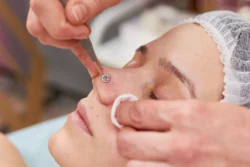
A dermatologist can recommend stronger treatments, perform safe extractions, and create a skincare plan tailored to your skin type.
Frequently Asked Questions About Popped Blackheads
Can a popped blackhead heal on its own?
Yes. Most popped blackheads heal within a few days if the area is kept clean and protected.
Should I apply toothpaste to a popped blackhead?
No. Toothpaste can irritate the skin and delay healing. Use products specifically designed for skincare instead.
Is it normal for a popped blackhead to bleed?
A small amount of bleeding can happen if the skin is damaged during extraction. Clean the area gently and avoid further squeezing.
Can I use makeup after popping a blackhead?
It’s best to wait until the skin has started healing. If makeup is necessary, use clean tools and remove it gently.
Will popping a blackhead leave a scar?
Not always. Minor blackheads often heal without permanent scars, especially when the skin is cared for properly and not picked afterward.
Conclusion
Popping a blackhead may seem like a quick fix, but it can leave your skin irritated if not done carefully. The best way to heal a popped blackhead is to keep the area clean, avoid further picking, reduce inflammation, and support your skin’s natural healing process with gentle skincare.
If your skin becomes increasingly painful, swollen, or shows signs of infection, don’t ignore the symptoms. A dermatologist can evaluate the area and recommend the most appropriate treatment. With the right care and a consistent skincare routine, most popped blackheads heal well without causing long-term damage.
Disclaimer: This article is for informational purposes only and should not replace professional medical advice, diagnosis, or treatment. Consult a qualified healthcare provider or dermatologist for personalized recommendations.

Comprehensive Skincare for Patients of All Ages
BOOK AN APPOINTMENTSince 1982, Palm Beach Dermatology Group has developed treatment plans that reflect our patients’ goals for healthy and beautiful skin. The doctors and professionals on our team have attended top schools, like Brown University, NYU, and the University of Miami, received special honors, and contributed to esteemed medical journals.
Our background and knowledge of the latest pharmaceutical technologies enable us to uphold the highest safety standards and deliver quality service and care to our patients. At PGA Dermatology Skin & Aesthetics Center, we make you feel comfortable and treat you like family from the moment you step inside our waiting room.