

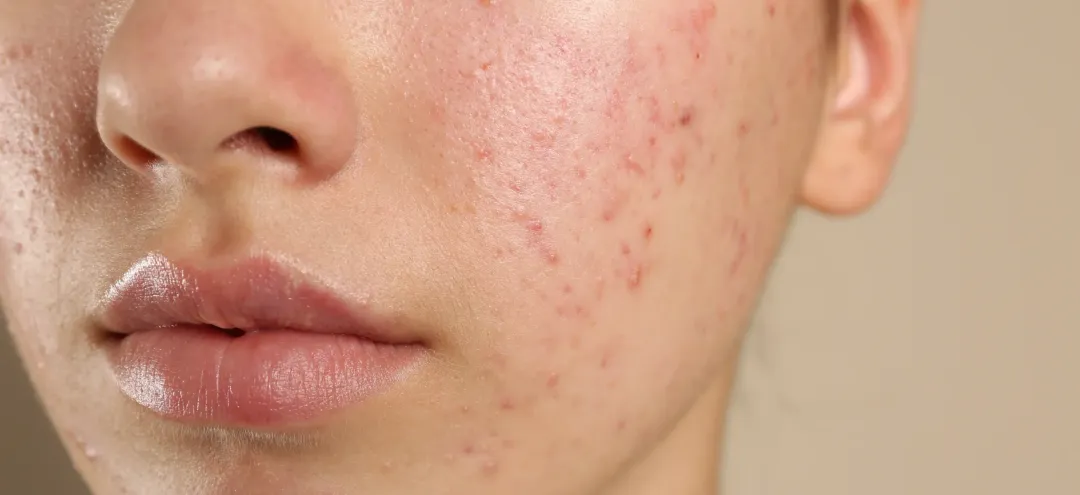
Cystic acne is one of the most painful and stubborn types of acne. It can affect your face, back, chest, shoulders, and sometimes even the neck. Unlike small pimples or blackheads, cystic acne forms deep under the skin. These breakouts are often red, swollen, tender, and slow to heal. Many people struggle with cystic acne for years and feel frustrated because normal skincare products do not seem to work.
The good news is that cystic acne can be treated. With the right habits, products, and medical help when needed, you can reduce breakouts and improve your skin. In this guide, we will explain what cystic acne is, why it happens, and how to get rid of it using simple and practical steps.
What Is Cystic Acne?
Cystic acne is a severe form of acne that happens when pores become blocked with oil, dead skin cells, and bacteria deep inside the skin. Instead of forming a surface pimple, the blockage creates a large inflamed cyst.
These cysts are usually:
- Painful to touch
- Red and swollen
- Filled with pus
- Deep under the skin
- Slow to heal
- More likely to leave scars
Because cystic acne forms deeper than normal pimples, it cannot be treated with basic spot treatments alone.
What Causes Cystic Acne?
Understanding the causes of cystic acne helps you treat it better. Several factors work together to create this condition.
Hormonal Changes
Hormones are one of the biggest triggers of cystic acne. Androgens increase oil production in the skin. This excess oil clogs pores and feeds acne-causing bacteria. Hormonal acne often appears around the jawline, chin, and lower cheeks.
Hormone changes can happen during:
- Puberty
- Menstrual cycles
- Pregnancy
- Menopause
- Stress
Excess Oil Production
Some people naturally produce more oil than others. When oil mixes with dead skin cells, pores become clogged. This creates the perfect environment for bacteria to grow.
Bacteria
The bacteria called Cutibacterium acnes lives on everyone’s skin. When pores are blocked, this bacteria multiplies and causes inflammation, leading to cysts.
Genetics
If your parents had severe acne, you may be more likely to develop cystic acne. Genetics affect how your skin produces oil and reacts to inflammation.
Lifestyle and Environment
Certain habits can make cystic acne worse, such as:
- Touching your face often
- Using heavy makeup
- Not cleaning makeup brushes
- Wearing tight clothing that traps sweat
- Poor sleep
- High stress levels
Why Cystic Acne Should Not Be Popped
It is tempting to squeeze a painful cyst, but this usually makes things worse. Popping cystic acne can:
- Push bacteria deeper into the skin
- Increase inflammation
- Cause infection
- Lead to permanent scars
- Slow healing
Since cysts are deep under the skin, squeezing rarely removes the blockage and often damages surrounding tissue.
How To Get Rid of Cystic Acne Naturally
Natural methods can help reduce inflammation and support healthy skin. While they may not completely cure severe cystic acne, they are helpful as part of a routine.
Keep Your Face Clean
Wash your face twice a day using a gentle cleanser. Avoid harsh scrubs because they irritate the skin and increase inflammation. Use lukewarm water instead of hot water.
After sweating or exercising, wash your face to remove oil and bacteria.
Use Non-Comedogenic Products
Always choose skincare and makeup products labeled non-comedogenic or oil-free. These products are designed not to clog pores.
Heavy creams, thick foundations, and greasy sunscreens can worsen cystic acne.
Apply Ice for Swelling
Ice can reduce redness and swelling. Wrap ice in a clean cloth and apply it to the cyst for one minute. Repeat a few times daily. This does not cure acne but helps with pain and inflammation.
Tea Tree Oil
Tea tree oil has antibacterial properties. Mix a few drops with a carrier oil like coconut or jojoba oil. Apply it gently to the affected area using a cotton swab. Do not apply directly without dilution because it may irritate your skin.
Aloe Vera
Aloe vera soothes irritated skin and reduces redness. Apply pure aloe gel to clean skin once or twice daily.
Manage Stress
Stress increases cortisol which can boost oil production and worsen acne. Try simple stress management methods such as:
- Deep breathing
- Walking
- Yoga
- Meditation
- Listening to music
- Getting enough sleep
Best Skincare Ingredients For Cystic Acne
Certain ingredients are proven to help treat cystic acne when used correctly.
Salicylic Acid
Salicylic acid penetrates deep into pores and removes oil and dead skin cells. It helps prevent new cysts from forming.
Use it in cleansers, toners, or spot treatments. Start slowly to avoid dryness.
Benzoyl Peroxide
Benzoyl peroxide kills acne-causing bacteria. It also helps reduce inflammation. This ingredient is effective but can be drying. Use a low concentration at first.
Retinoids
Retinoids help increase cell turnover and prevent clogged pores. They also improve acne scars and skin texture over time.
You can find mild retinol products over the counter, while stronger retinoids require a prescription.
Niacinamide
Niacinamide reduces redness, controls oil production, and strengthens the skin barrier. It is gentle and suitable for most skin types.
Sulfur
Sulfur helps absorb oil and reduce bacteria. It is often used in masks and spot treatments for acne-prone skin.
When To See A Dermatologist
If your cystic acne is painful, spreading, or leaving scars, it is time to see a dermatologist. Professional treatment is often necessary for moderate to severe cases.
Doctors can offer stronger and more effective treatments that are not available over the counter.
Medical Treatments For Cystic Acne
Here are some common medical treatments that dermatologists use.
Oral Antibiotics
Antibiotics help reduce bacteria and inflammation. They are usually prescribed for short periods to avoid resistance.
Birth Control Pills
For women with hormonal acne, certain birth control pills can regulate hormones and reduce breakouts.
Spironolactone
This medication helps reduce oil production by blocking androgen hormones. It is commonly prescribed for adult female acne.
Isotretinoin
Isotretinoin is a powerful medication used for severe cystic acne. It shrinks oil glands and can provide long-term results. However, it has potential side effects and requires close medical supervision.
Cortisone Injections
For large painful cysts, dermatologists can inject cortisone directly into the lesion. This reduces swelling and speeds healing within days.
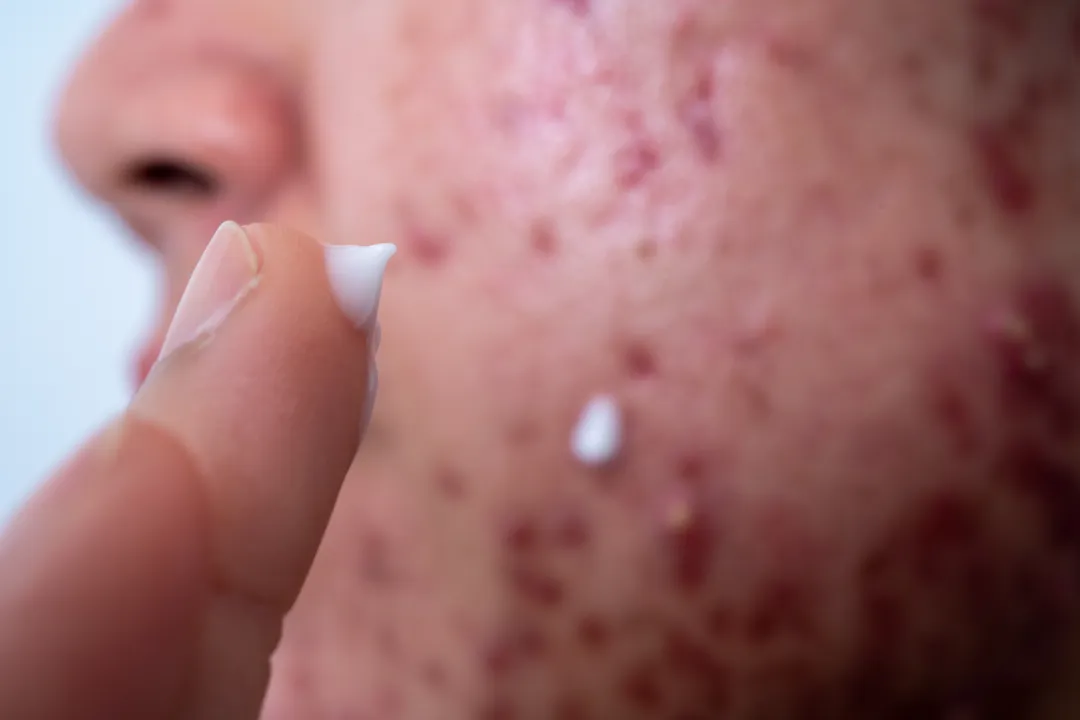
Diet Tips To Improve Cystic Acne
Food alone does not cause acne, but diet can influence inflammation and oil production.
Reduce Sugar and Processed Foods
High sugar intake can spike insulin levels and increase oil production. Try to limit:
- Candy
- Soda
- White bread
- Fast food
- Packaged snacks
Eat More Whole Foods
Focus on:
- Fresh fruits and vegetables
- Whole grains
- Lean proteins
- Nuts and seeds
- Healthy fats
These foods support skin health and reduce inflammation.
Drink Enough Water
Hydration helps flush toxins from the body and keeps skin balanced. Aim for several glasses of water daily.
Limit Dairy If Needed
Some people notice that dairy products worsen their acne. If you suspect this, try reducing milk and cheese for a few weeks and see if your skin improves.
Daily Habits That Help Prevent Cystic Acne
Small daily changes can make a big difference over time.
Change Pillowcases Often
Oil, sweat, and bacteria build up on pillowcases. Change them at least twice a week.
Clean Makeup Brushes
Dirty brushes spread bacteria and clog pores. Wash them weekly with mild soap.
Avoid Touching Your Face
Hands carry germs. Touching your face often transfers bacteria and oil to your skin.
Do Not Overwash
Washing your face too often strips natural oils and causes your skin to produce even more oil. Stick to twice daily cleansing.
Use Sunscreen Daily
Sun damage worsens acne scars and inflammation. Use a lightweight oil-free sunscreen every day.
How Long Does It Take To See Results?
Cystic acne takes time to improve. Do not expect overnight results. Most treatments take four to eight weeks to show visible improvement.
Consistency is the key. Skipping routines or switching products too often can delay progress.
How To Deal With Acne Scars After Cystic Acne
Once cystic acne clears, scars may remain. These can include dark spots, dents, or raised marks.
Use Retinoids
Retinoids help improve skin texture and reduce dark spots.
Chemical Peels
Professional chemical peels can fade discoloration and smooth the skin.
Microneedling
Microneedling boosts collagen production and improves acne scars over time.
Laser Treatments
Laser therapy targets deep scars and uneven skin tone. This is usually done by dermatologists.
Common Mistakes To Avoid
Many people unknowingly make mistakes that worsen cystic acne.
Avoid these habits:
- Using harsh scrubs
- Popping pimples
- Skipping moisturizer
- Applying too many active ingredients at once
- Using heavy oils on acne-prone skin
- Expecting instant results
Conclusion
Cystic acne can be painful, emotional, and frustrating. But it is treatable. With the right skincare routine, healthy habits, and professional help when needed, you can regain control over your skin.
Be patient with the process. Healing takes time, especially for deep acne. Focus on gentle care, consistency, and protecting your skin barrier.
If your acne is severe or affecting your confidence, do not hesitate to seek medical advice. You deserve clear and healthy skin, and the right treatment can make a big difference.