Does Tretinoin Help With Blackheads?
If you’ve been struggling with stubborn blackheads, you’ve probably come across tretinoin as a possible treatment. Dermatologists often recommend tretinoin for acne, but many people wonder whether it specifically works for blackheads.
The short answer is yes. Tretinoin can be very effective for treating blackheads because it targets one of the main causes of clogged pores. Instead of simply removing blackheads from the surface of the skin, tretinoin helps prevent them from forming in the first place.
However, it is not an overnight solution. Like most prescription acne treatments, it takes time, consistency, and proper skincare to see noticeable improvements.
In this guide, we’ll explain how tretinoin works, how long it takes to help with blackheads, how to use it correctly, possible side effects, and tips for getting the best results.
What Are Blackheads?
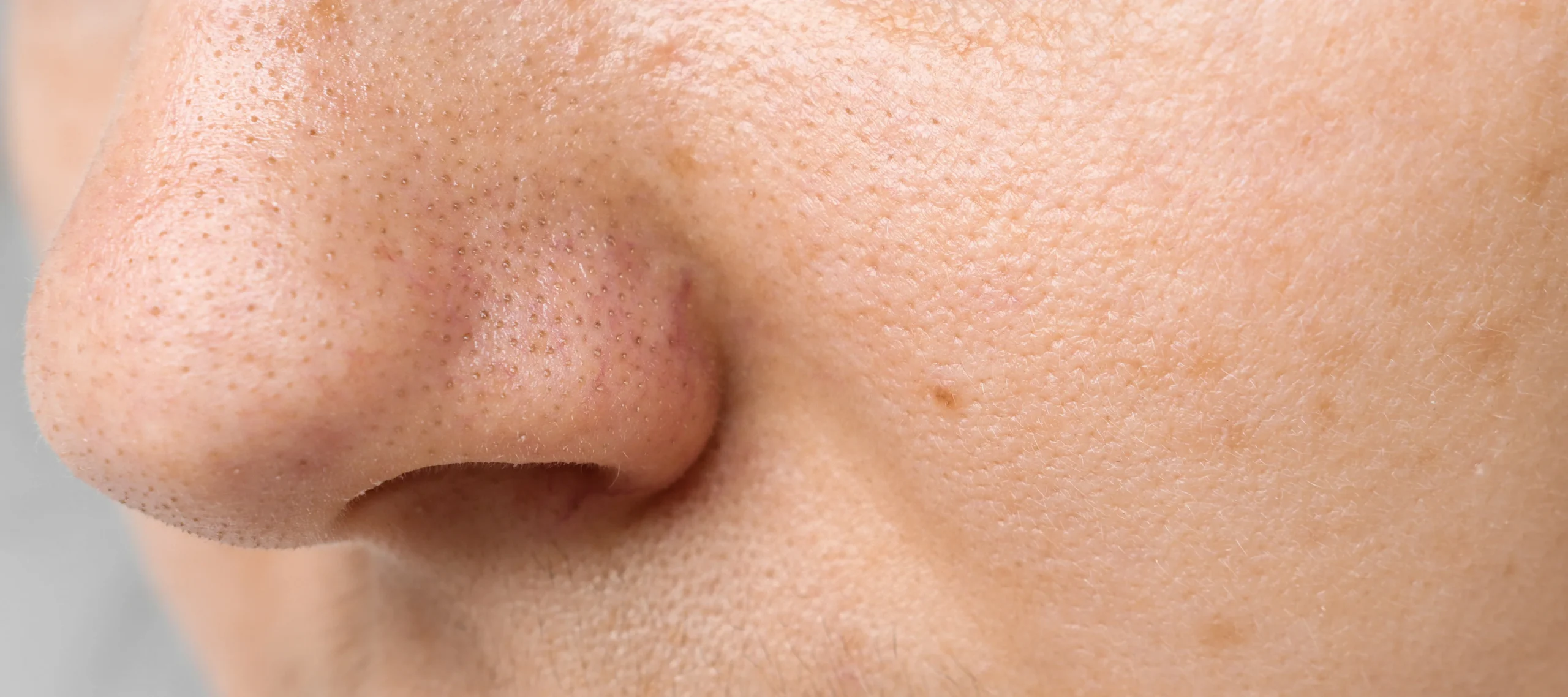
Blackheads are a type of acne known as open comedones. They develop when hair follicles become clogged with excess oil, dead skin cells, and other debris.
Unlike whiteheads, blackheads remain open at the surface of the skin. When the material inside the pore comes into contact with air, it oxidizes and turns dark. This oxidation is what gives blackheads their black or dark brown appearance.
Blackheads commonly appear on areas of the body that produce more oil, including:
- Nose
- Chin
- Forehead
- Cheeks
- Chest
- Back
- Shoulders
Although blackheads are not usually painful, they can be frustrating because they often return if the underlying cause is not treated.
What Is Tretinoin?
Tretinoin is a prescription medication that belongs to a group of medicines called retinoids. It is a form of vitamin A that has been used for decades to treat acne and improve skin appearance.
Dermatologists prescribe tretinoin for several skin concerns, including:
- Blackheads
- Whiteheads
- Mild to moderate acne
- Fine lines
- Uneven skin texture
- Acne scars
- Sun-damaged skin
Because tretinoin increases the rate at which skin cells renew themselves, it helps keep pores clear and healthy.
Does Tretinoin Help With Blackheads?
Yes.
Tretinoin is considered one of the most effective prescription treatments for blackheads because it addresses the root cause rather than simply treating the visible symptoms.
Many over-the-counter products temporarily remove surface oil or unclog pores, but tretinoin works deeper within the skin to prevent blockages from developing.
With regular use, many people notice:
- Fewer blackheads
- Smaller-looking pores
- Smoother skin texture
- Less oily skin
- Fewer acne breakouts
While results take time, tretinoin often provides long-term improvement.
How Does Tretinoin Work?
Your skin naturally sheds dead skin cells every day. When this process slows down, dead skin can mix with oil and clog your pores.
Tretinoin speeds up this natural skin renewal process.
It helps by:
Preventing Clogged Pores
Dead skin cells are less likely to build up inside the pores.
Increasing Cell Turnover
Fresh skin cells replace older ones more quickly, helping keep pores clear.
Reducing Oil Blockages
Although tretinoin does not directly reduce oil production, it helps prevent oil from becoming trapped inside pores.
Improving Skin Texture
Regular use smooths rough skin and minimizes uneven texture caused by clogged pores.
Preventing Future Blackheads
Perhaps its biggest benefit is helping reduce the formation of new blackheads.
Can Tretinoin Remove Existing Blackheads?
Yes, but gradually.
Existing blackheads usually loosen over several weeks as the skin renews itself.
Unlike pore strips that physically remove blackheads from the surface, tretinoin works beneath the skin.
Over time, clogged pores naturally clear themselves as healthier skin replaces older layers.
Patience is important because improvement happens slowly.
Why Does Skin Sometimes Get Worse First?
Many people notice more pimples or blackheads shortly after starting tretinoin.
This is often called the “purging phase.”
Purging occurs because tretinoin speeds up skin cell turnover.
Clogs that were already forming beneath the skin come to the surface more quickly.
Although frustrating, purging is temporary for many users and usually improves within several weeks.
Not everyone experiences purging.
How Long Does It Take to See Results?
Everyone’s skin responds differently.
A typical timeline looks like this:
Weeks 1 to 2
- Dryness
- Mild peeling
- Redness
- Increased skin sensitivity
Weeks 3 to 6
- Skin begins adjusting.
- Some blackheads may start clearing.
- Purging may continue.
Weeks 6 to 12
- Noticeable improvement in clogged pores.
- Skin texture becomes smoother.
- Fewer new blackheads appear.
Three to Six Months
Many people see their best results after several months of consistent use.
Consistency is much more important than using large amounts of the medication.
How to Use Tretinoin for Blackheads
Using tretinoin correctly can improve results while reducing irritation.
Step 1: Wash Your Face
Use a gentle cleanser without harsh scrubbing ingredients.
Avoid products containing alcohol or strong fragrances.
Step 2: Dry Your Skin
Wait about 20 minutes after washing your face.
Applying tretinoin to damp skin can increase irritation.
Step 3: Apply a Small Amount
Use only a pea-sized amount for your entire face.
Applying more will not make it work faster.
Step 4: Moisturize
A gentle moisturizer helps reduce dryness and peeling.
Many dermatologists recommend applying moisturizer after tretinoin.
Step 5: Wear Sunscreen
This is one of the most important steps.
Tretinoin makes your skin more sensitive to sunlight.
Use a broad-spectrum sunscreen with SPF 30 or higher every morning.
How Often Should You Use Tretinoin?
If you’re new to tretinoin, start slowly.
Many people begin by applying it:
- Two nights per week
- Then every other night
- Eventually every night if their skin tolerates it
Your dermatologist may recommend a different schedule based on your skin type.
Common Side Effects of Tretinoin
Most people experience mild irritation during the first few weeks.
Possible side effects include:
- Dry skin
- Peeling
- Redness
- Mild itching
- Tightness
- Burning sensation
- Increased sensitivity to sunlight
These effects usually improve as your skin adapts.
If irritation becomes severe, speak with your healthcare provider.
Can Tretinoin Shrink Pores?
Not exactly.
Pore size is largely determined by genetics.
However, tretinoin helps keep pores cleaner and reduces clogging, making pores appear smaller.
Many people notice smoother-looking skin after several months of treatment.
Can You Use Salicylic Acid With Tretinoin?
Yes, but carefully.
Both ingredients help treat blackheads.
However, using them together may increase irritation.
Some dermatologists recommend using:
- Salicylic acid in the morning
- Tretinoin at night
Others may suggest alternating days.
Always follow your healthcare provider’s advice.
Can You Use Benzoyl Peroxide With Tretinoin?
It depends.
Some formulations of tretinoin should not be applied at the same time as benzoyl peroxide because it may reduce tretinoin’s effectiveness.
Your dermatologist can recommend the best schedule if both medications are needed.
Can You Wear Makeup While Using Tretinoin?
Yes.
Choose products labeled:
- Non-comedogenic
- Oil-free
- Fragrance-free
Always remove makeup thoroughly before applying tretinoin at night.
Can Tretinoin Be Used on Sensitive Skin?
Many people with sensitive skin can still use tretinoin.
The key is introducing it gradually.
Using a moisturizer and applying tretinoin only a few nights each week at first often helps reduce irritation.
Mistakes to Avoid
Many people accidentally slow their progress by making common mistakes.
Avoid:
- Applying too much tretinoin
- Skipping sunscreen
- Picking blackheads
- Using harsh scrubs
- Mixing too many active ingredients
- Expecting immediate results
- Stopping treatment after only a few weeks
Consistency produces the best results.
Who Should Avoid Tretinoin?
Tretinoin may not be appropriate for everyone.
Talk to your healthcare provider before using it if you:
- Are pregnant
- Are planning pregnancy
- Have severe eczema
- Have very sensitive skin
- Have certain skin allergies
A medical professional can determine whether tretinoin is right for you.
Lifestyle Tips to Help Reduce Blackheads
While tretinoin is highly effective, healthy skincare habits can improve results.
Wash Your Face Twice Daily
Use a gentle cleanser without over-cleansing.
Avoid Heavy Oil-Based Products
Choose products labeled non-comedogenic.
Keep Your Hands Off Your Face
Touching your face can transfer dirt and oil.
Clean Makeup Brushes
Dirty brushes may contribute to clogged pores.
Change Pillowcases Regularly
Fresh pillowcases help reduce oil and bacteria buildup.
Stay Consistent
Even the best treatments need time to work.
When Should You See a Dermatologist?
Consider seeing a dermatologist if:
- Blackheads continue after several months of treatment.
- Acne becomes painful.
- You develop severe irritation.
- Over-the-counter products are not helping.
- You are unsure whether tretinoin is appropriate for your skin.
A dermatologist can create a personalized treatment plan based on your skin type and concerns.
Frequently Asked Questions
Many people have questions before starting tretinoin for blackheads. Understanding how the medication works and what to expect can help you use it safely and get the best possible results. The answers below address some of the most common concerns.
Can tretinoin help prevent blackheads from coming back?
Yes. With consistent use, tretinoin helps keep pores clear, reducing the chances of new blackheads forming over time.
Is tretinoin better than over-the-counter retinol for blackheads?
Tretinoin is generally more potent than retinol because it is the active form of vitamin A. It often provides faster and more noticeable results but usually requires a prescription.
Can teenagers use tretinoin for blackheads?
Yes. Dermatologists commonly prescribe tretinoin to teenagers with acne and blackheads. It should be used under the guidance of a healthcare provider.
Should I stop using tretinoin once my blackheads are gone?
Not necessarily. Many people continue using tretinoin as a maintenance treatment to help prevent future blackheads and improve overall skin texture.
Can I use tretinoin around my nose if most of my blackheads are there?
Yes. The nose is a common area for blackheads, and tretinoin can be applied there unless your healthcare provider advises otherwise. Avoid getting it inside your nostrils.
Does tretinoin work on enlarged sebaceous filaments?
Tretinoin may help make sebaceous filaments less noticeable by keeping pores clearer, but it cannot permanently remove them since they are a normal part of the skin.
Can I use pore strips while using tretinoin?
It is generally best to avoid pore strips while using tretinoin, especially during the first few weeks, as they may increase irritation and damage sensitive skin.
What strength of tretinoin is best for treating blackheads?
The best strength depends on your skin type and tolerance. Many people start with a lower strength and gradually increase it if needed under medical supervision.
Will blackheads return if I stop using tretinoin?
They can. Since tretinoin helps prevent clogged pores, stopping treatment may allow blackheads to gradually return, especially if you are naturally prone to acne.
Can I use tretinoin on blackheads on my back or chest?
Yes. Tretinoin can be prescribed for blackheads and acne on the back, chest, and shoulders, although your healthcare provider can recommend the most suitable treatment plan for these areas.
Conclusion
Yes. Tretinoin is one of the most effective prescription treatments available for blackheads because it works beneath the surface of the skin to prevent clogged pores and encourage healthy skin cell turnover.
Although it requires patience, consistent use can lead to smoother skin, fewer blackheads, and a noticeable improvement in overall skin texture.
Remember that results do not happen overnight. Most people begin seeing improvements after several weeks, with the best results often appearing after three to six months. Pairing tretinoin with a gentle skincare routine, daily sunscreen, and healthy skincare habits can maximize its effectiveness.
If you are unsure whether tretinoin is the right treatment for your skin, consult a dermatologist or healthcare provider for personalized advice and recommendations.

Comprehensive Skincare for Patients of All Ages
BOOK AN APPOINTMENTSince 1982, Palm Beach Dermatology Group has developed treatment plans that reflect our patients’ goals for healthy and beautiful skin. The doctors and professionals on our team have attended top schools, like Brown University, NYU, and the University of Miami, received special honors, and contributed to esteemed medical journals.
Our background and knowledge of the latest pharmaceutical technologies enable us to uphold the highest safety standards and deliver quality service and care to our patients. At PGA Dermatology Skin & Aesthetics Center, we make you feel comfortable and treat you like family from the moment you step inside our waiting room.