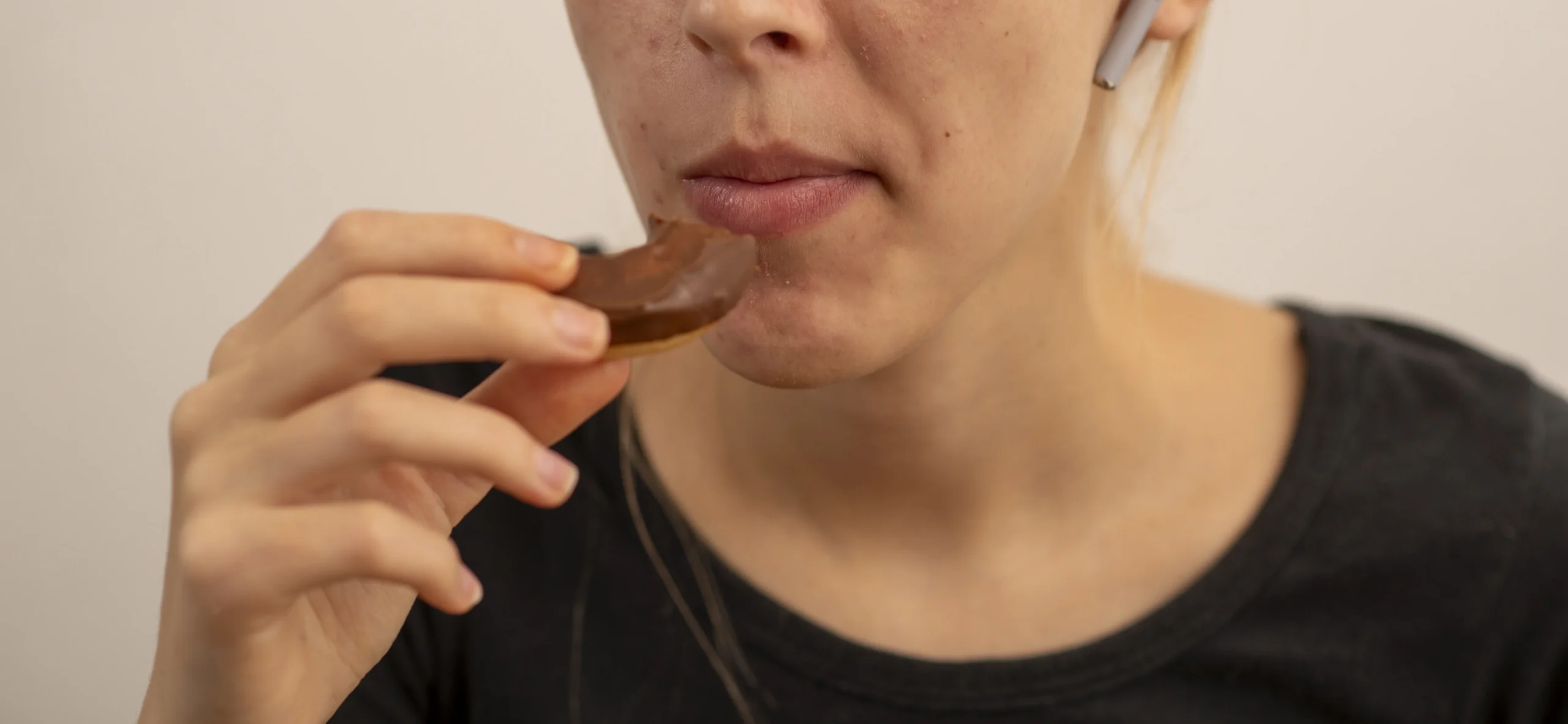
Does Sugar Cause Acne?
Acne is one of the most common skin concerns in the world. From teenagers to adults, many people struggle with breakouts and often look for answers in their daily habits. One of the biggest questions people ask is does sugar cause acne
You may have heard that eating sweets leads to pimples. Others may say food has nothing to do with acne at all. This can make things confusing.
The truth is more balanced. Sugar alone is not the only reason behind acne, but it can play a role in how your skin behaves. In this guide, we will break everything down in simple words so you can understand the connection clearly.
What Is Acne and Why It Happens
Before we talk about sugar, it is important to understand what acne really is.
Acne happens when your pores get clogged with oil, dead skin cells, and sometimes bacteria. This leads to different types of breakouts such as
- Whiteheads
- Blackheads
- Pimples
- Cystic acne
Your skin naturally produces oil called sebum. When too much oil mixes with dead skin, it can block pores and create the perfect environment for acne.
Hormones, genetics, stress, and skincare habits all play a role in this process.
What Is Sugar and Where It Comes From
Sugar is a type of carbohydrate that your body uses for energy. It is found in many foods, both natural and processed.
There are two main types of sugar in your diet
Natural sugar
This is found in fruits, vegetables, and dairy. These foods also contain fiber, vitamins, and nutrients that are good for your body.
Added sugar
This is the sugar added to processed foods like
- Soft drinks
- Cakes and pastries
- Candy
- Packaged snacks
- Sweetened beverages
Added sugar is the main concern when it comes to acne.
The Link Between Sugar and Acne
So does sugar cause acne
Sugar does not directly create pimples, but it can trigger processes in your body that make acne more likely.
The connection mainly comes from how sugar affects your blood sugar levels and hormones.

How Sugar Affects Your Skin
Blood sugar spikes
When you eat foods high in sugar, your blood sugar levels rise quickly. This is called a spike.
Your body responds by releasing insulin to bring those levels down.
Insulin and oil production
High insulin levels can increase the production of hormones that stimulate oil glands in your skin.
More oil means a higher chance of clogged pores and acne.
Inflammation
Sugar can also increase inflammation in the body. Acne is partly an inflammatory condition, so more inflammation can make breakouts worse.
Hormonal changes
High sugar intake may affect hormones like androgens. These hormones can increase oil production and lead to more acne.
What Is Glycemic Index and Why It Matters
The glycemic index is a scale that measures how quickly foods raise your blood sugar.
Foods are divided into
- High glycemic foods
- Low glycemic foods
High glycemic foods cause rapid spikes in blood sugar. These include
- White bread
- Sugary drinks
- Candy
- Processed snacks
Low glycemic foods release sugar slowly and include
- Whole grains
- Vegetables
- Fruits
- Legumes
Studies suggest that high glycemic diets are more likely to be linked with acne.
Does Eating Sugar Always Lead to Acne
No, eating sugar does not always cause acne for everyone.
Some people can eat sugary foods without any noticeable effect on their skin. Others may break out quickly after consuming high sugar meals.
This depends on several factors
- Your skin type
- Hormonal balance
- Genetics
- Overall diet
- Lifestyle habits
So while sugar can contribute to acne, it is not the only cause.
Signs That Sugar May Be Affecting Your Acne
You may notice a connection between sugar and your skin if
- You break out after eating sweets
- Your acne gets worse during periods of high sugar intake
- You experience oily skin after sugary meals
Keeping track of your diet and skin changes can help you identify patterns.
Difference Between Sugar and Other Acne Triggers
It is important to understand that sugar is just one part of a bigger picture.
Other common acne triggers include
- Hormonal changes
- Stress
- Poor skincare routine
- Lack of sleep
- Dairy products for some people
Focusing only on sugar may not solve the problem if other factors are involved.
Does Cutting Sugar Clear Acne Completely
Reducing sugar can help improve your skin, but it may not completely clear acne on its own.
For best results, it should be combined with
- A good skincare routine
- Balanced diet
- Proper hydration
- Stress management
Think of sugar reduction as one helpful step, not a complete cure.
How Much Sugar Is Too Much
Health experts recommend limiting added sugar intake.
Too much sugar not only affects your skin but also your overall health.
If you are consuming sugary snacks and drinks daily, it may increase your chances of breakouts.
Moderation is key. You do not have to remove sugar completely, but reducing excess intake can make a difference.
Natural Sugar vs Added Sugar for Acne
Natural sugar from fruits is generally not a problem for acne.
Fruits contain fiber, which slows down sugar absorption. They also provide vitamins that support healthy skin.
Added sugar, on the other hand, is quickly absorbed and more likely to cause blood sugar spikes.
So it is better to focus on whole foods rather than processed ones.
Does Chocolate Cause Acne or Is It the Sugar
Chocolate is often blamed for acne, but the issue is not that simple.
Milk chocolate contains sugar and dairy, both of which may contribute to acne in some people.
Dark chocolate with less sugar may have a lower impact, but results can vary from person to person.
Can Sugar Cause Hormonal Acne
Sugar can indirectly affect hormonal acne by influencing insulin and hormone levels.
This may lead to increased oil production and breakouts, especially along the jawline and chin.
However, hormonal acne is complex and often requires multiple approaches for treatment.
Tips to Reduce Sugar Related Acne
If you think sugar is affecting your skin, here are some simple steps you can follow
Reduce sugary drinks
Cut down on soda, energy drinks, and sweetened coffee.
Choose whole foods
Eat more fruits, vegetables, and whole grains.
Read labels
Check packaged foods for hidden sugars.
Stay hydrated
Drink enough water to support your skin.
Balance your meals
Include protein and healthy fats to prevent blood sugar spikes.
Avoid sudden changes
Gradually reduce sugar instead of cutting it off completely.
Simple Daily Routine for Better Skin
Along with managing sugar intake, follow a basic skincare routine
- Cleanse your face twice daily
- Use a gentle moisturizer
- Apply sunscreen during the day
- Avoid touching your face frequently
Consistency is more important than using many products.

Common Myths About Sugar and Acne
Myth 1 Sugar directly creates pimples
Sugar does not directly create acne, but it can trigger processes that lead to breakouts.
Myth 2 You must stop sugar completely
You do not need to eliminate sugar entirely. Moderation is enough for most people.
Myth 3 Only teenagers are affected
Adults can also experience acne linked to diet and sugar intake.
Myth 4 Natural sugar is harmful
Natural sugars from fruits are generally safe and beneficial.
When to See a Doctor
If your acne is severe or not improving, it is best to consult a dermatologist.
You should seek help if
- Acne is painful or cystic
- Over the counter treatments are not working
- Acne is affecting your confidence
A professional can guide you with proper treatment.
What Science Says About Sugar and Acne
Research shows a connection between high glycemic diets and acne, but it is not the same for everyone.
Some studies suggest that people who follow low glycemic diets see improvement in their skin.
However, more research is still needed to fully understand the relationship. So while sugar is not the only cause, it is a factor worth paying attention to.
FAQs About Sugar and Acne
1. Can quitting sugar suddenly cause acne
In some cases, sudden dietary changes can temporarily affect your body, but quitting sugar does not directly cause acne. Any breakouts during this time are usually due to other factors like stress or routine changes.
2. Does sugar affect acne differently in men and women
Yes, hormonal differences can make the impact of sugar vary. Women may notice more breakouts related to hormonal fluctuations, especially during certain times of the month.
3. Can sugar worsen acne scars or marks
Sugar does not directly worsen scars, but increased inflammation from high sugar intake may slow down the healing process of acne marks.
4. Does eating sugar at night make acne worse
Eating sugar at night does not directly cause acne, but frequent late night snacking on sugary foods can disrupt overall health and indirectly affect skin.
5. Can artificial sweeteners cause acne like sugar
Artificial sweeteners do not raise blood sugar in the same way, but some people may still notice skin changes depending on how their body reacts.
6. Is honey bad for acne since it is sugar
Honey contains natural sugar but also has antibacterial properties. When consumed in moderation, it is less likely to trigger acne compared to processed sugar.
7. Can sugar affect acne treatment results
Yes, a high sugar diet may slow down the effectiveness of acne treatments by increasing oil production and inflammation.
8. Do energy drinks cause acne because of sugar
Energy drinks often contain high amounts of sugar, which can contribute to breakouts, especially if consumed regularly.
9. Can reducing sugar improve oily skin
Yes, lowering sugar intake may help balance oil production in some people, leading to less greasy skin.
10. Does sugar affect acne in teenagers more than adults
Teenagers may be more sensitive to sugar related breakouts due to active hormones, but adults can also be affected depending on lifestyle and diet.
Conclusion
The answer is not a simple yes or no. Sugar is not the root cause of acne, but it can make existing conditions worse by affecting your hormones, oil production, and inflammation levels.
What matters most is your overall lifestyle. If your diet is high in added sugar and processed foods, your skin may be more prone to breakouts. On the other hand, a balanced diet with limited sugar can support healthier skin over time.
Instead of focusing on removing sugar completely, aim to reduce excess intake and observe how your skin responds. Small changes like cutting down sugary drinks, choosing whole foods, and maintaining a simple skincare routine can lead to noticeable improvements.
Your skin reflects your habits. When you take care of your body consistently, your skin is more likely to respond positively. Patience and balance are the keys to long term results.

Comprehensive Skincare for Patients of All Ages
BOOK AN APPOINTMENTSince 1982, Palm Beach Dermatology Group has developed treatment plans that reflect our patients’ goals for healthy and beautiful skin. The doctors and professionals on our team have attended top schools, like Brown University, NYU, and the University of Miami, received special honors, and contributed to esteemed medical journals.
Our background and knowledge of the latest pharmaceutical technologies enable us to uphold the highest safety standards and deliver quality service and care to our patients. At PGA Dermatology Skin & Aesthetics Center, we make you feel comfortable and treat you like family from the moment you step inside our waiting room.