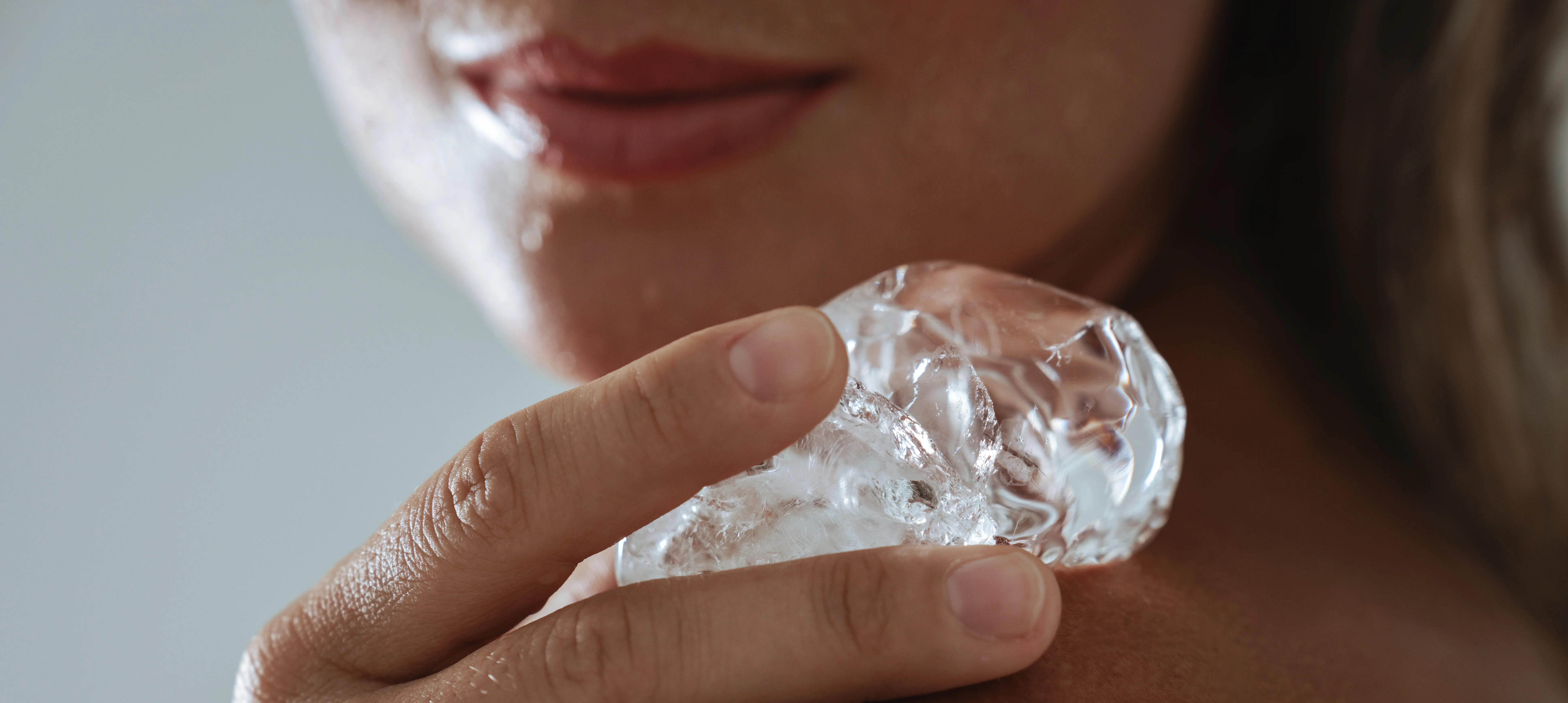
Does Ice Help Acne or Make It Worse?
Acne is one of the most common skin concerns affecting people of all ages. Whether it is occasional breakouts or persistent pimples, many people look for quick and simple home remedies to reduce redness and swelling. One popular method that often comes up is using ice on acne.
You may have heard that applying ice can shrink pimples overnight or calm irritated skin. But is that really true? Or can it actually make your acne worse?
In this detailed guide, we will explore how ice affects acne, when it can help, when it might harm, and how to use it safely for the best results.
What Is Acne?
Acne is a skin condition that occurs when hair follicles become clogged with oil, dead skin cells, and sometimes bacteria. It can appear in different forms such as:
- Whiteheads
- Blackheads
- Pimples
- Cysts
- Nodules
Acne is often caused by hormonal changes, excess oil production, bacteria, and inflammation.
Why People Use Ice for Acne
Ice is commonly used in skincare because of its cooling and soothing effects. When applied to the skin, it can:
- Reduce swelling
- Calm redness
- Temporarily tighten pores
- Provide a refreshing feeling
Because acne often involves inflammation, many people assume ice can help treat it directly.
How Ice Affects the Skin
When ice touches your skin, it causes blood vessels to constrict. This process is called vasoconstriction.
What happens during this process:
- Blood flow to the area decreases
- Swelling is reduced
- Redness becomes less visible
- The skin feels numb temporarily
This is why ice is often used for injuries like swelling or bruises. The same principle applies when used on acne.
Does Ice Help Acne?
The short answer is yes, but only in certain ways.
Ice does not cure acne or remove pimples completely. However, it can help manage some symptoms.
Benefits of using ice on acne:
1. Reduces Inflammation
Inflammation is a major part of acne. Ice helps calm inflamed pimples by reducing blood flow to the area.
2. Minimizes Redness
If you have a red, irritated pimple, applying ice can make it look less noticeable.
3. Soothes Painful Pimples
Cystic acne can be painful. Ice has a numbing effect that can reduce discomfort.
4. Helps with Swelling
Large pimples often appear swollen. Ice can temporarily shrink their size.
What Ice Cannot Do for Acne
While ice has some benefits, it is important to understand its limitations.
Ice does NOT:
- Kill acne causing bacteria
- Unclog pores
- Remove oil buildup
- Prevent future breakouts
This means ice is a temporary solution, not a complete treatment.
Can Ice Make Acne Worse?
Yes, in some situations, ice can actually worsen your skin condition.
Here’s how:
1. Direct Ice Contact Can Damage Skin
Applying ice directly without protection can irritate or even damage the skin, especially if held for too long.
2. Overuse Can Dry the Skin
Excessive icing can disrupt your skin barrier, leading to dryness and irritation.
3. Sensitive Skin Reactions
People with sensitive skin may experience redness, burning, or irritation from ice.
4. Not Suitable for All Acne Types
Ice works best for inflamed pimples but may not help with blackheads or whiteheads.
When Ice Works Best for Acne
Ice is most effective in specific situations.
Ideal cases:
- Red, swollen pimples
- Painful cystic acne
- Sudden breakouts before an event
- Irritated skin after touching or picking acne
In these cases, ice can provide quick relief.
When You Should Avoid Using Ice
Avoid using ice if:
- Your skin is extremely sensitive
- You have broken or open acne wounds
- You have conditions like rosacea
- Your skin reacts badly to cold
In such cases, ice may do more harm than good.
How to Use Ice Safely on Acne
If you want to try icing your acne, it is important to do it correctly.
Step by step method:
- Wrap ice cubes in a clean cloth or towel
- Gently press it on the affected area
- Hold for 1 to 2 minutes
- Remove and let the skin rest
- Repeat if needed after a short break
Important tips:
- Never apply ice directly to the skin
- Do not hold it in one place for too long
- Limit use to once or twice a day
Ice vs Other Acne Treatments
Ice is helpful, but it should not replace proper skincare.
Compare with common treatments:
Ice:
- Reduces swelling temporarily
- Provides quick relief
- Does not treat root cause
Acne creams:
- Target bacteria and oil
- Help prevent future breakouts
- Work over time
Medications:
- Treat moderate to severe acne
- Require professional guidance
Using ice along with proper treatment gives better results.
Combining Ice with Skincare Routine
You can include ice as part of your routine, but it should be used carefully.
Suggested routine:
- Cleanse your face
- Apply ice to inflamed areas
- Follow with acne treatment products
- Moisturize to protect the skin
This way, you get both immediate relief and long term care.
Myths About Ice and Acne
There are many misconceptions about using ice for acne.
Myth 1: Ice removes pimples overnight
Ice can reduce swelling but does not eliminate pimples instantly.
Myth 2: Ice tightens pores permanently
Pores do not permanently shrink with ice.
Myth 3: More ice gives better results
Overusing ice can damage your skin.
Natural Alternatives to Ice For Acne
If ice does not suit your skin, you can try other soothing remedies.
Options include:
- Aloe vera gel
- Green tea compress
- Cold cucumber slices
- Chamomile tea bags
These also help reduce inflammation naturally.
Long Term Acne Management
While ice can help temporarily, long term acne care requires consistency.
Key steps:
- Clean your face regularly
- Avoid touching or picking acne
- Use suitable skincare products
- Maintain a healthy diet
- Stay hydrated
If acne is severe, consult a dermatologist for proper treatment.

When to See a Dermatologist
You should seek professional help if:
- Acne is persistent or severe
- Home remedies do not work
- You experience pain or scarring
- Acne affects your confidence
A dermatologist can provide treatments tailored to your skin.
FAQs About Ice and Acne
1. How long should I apply ice on acne for best results?
You should apply ice for about 1 to 2 minutes at a time. Holding it longer can irritate or damage the skin, especially if used directly without a cloth.
2. Can I use ice on acne every day?
Yes, but only in moderation. Once or twice a day is enough. Overuse can dry out or irritate your skin.
3. Should I apply ice before or after skincare products?
It is best to apply ice after cleansing your face but before applying treatments like creams or serums. This helps calm the skin and prepare it for products.
4. Does ice help with acne scars?
Ice does not treat acne scars. It only reduces temporary redness and swelling. Scars require different treatments like serums, chemical peels, or professional care.
5. Can I use ice on popped pimples?
It is not recommended. Applying ice on open or broken skin can cause irritation and slow healing.
6. Is ice safe for oily skin with acne?
Yes, ice can be helpful for oily skin as it reduces inflammation and gives a temporary tightening effect, but it will not control oil production long term.
7. Can I add ingredients like green tea or aloe to ice cubes?
Yes, using frozen green tea or aloe vera can provide extra soothing benefits along with the cooling effect of ice.
8. Why does my skin turn red after using ice?
Temporary redness can happen due to cold exposure. If it lasts long or feels uncomfortable, you may be using ice too long or your skin may be sensitive.
9. Can ice prevent future acne breakouts?
No, ice does not prevent acne. It only helps reduce symptoms of existing pimples.
10. What is better for acne, ice or warm compress?
Both have different uses. Ice reduces swelling and redness, while a warm compress can help open pores and bring a pimple to the surface.
Conclusion
Ice can be a simple and effective way to calm certain acne symptoms, especially redness, swelling, and pain. It works best as a quick fix when you need to reduce the appearance of an inflamed pimple or soothe irritated skin. However, it is important to remember that ice does not treat the root causes of Acne, such as excess oil, clogged pores, or bacteria.
Using ice the right way can support your skincare routine, but overusing it or applying it incorrectly may irritate your skin and make the situation worse. The key is balance. Think of ice as a supportive step, not a complete solution.
For long term results, combine gentle skincare, proper hydration, and suitable acne treatments. If your acne is persistent or severe, seeking advice from a skincare professional can help you find the most effective approach for your skin type.

Comprehensive Skincare for Patients of All Ages
BOOK AN APPOINTMENTSince 1982, Palm Beach Dermatology Group has developed treatment plans that reflect our patients’ goals for healthy and beautiful skin. The doctors and professionals on our team have attended top schools, like Brown University, NYU, and the University of Miami, received special honors, and contributed to esteemed medical journals.
Our background and knowledge of the latest pharmaceutical technologies enable us to uphold the highest safety standards and deliver quality service and care to our patients. At PGA Dermatology Skin & Aesthetics Center, we make you feel comfortable and treat you like family from the moment you step inside our waiting room.