
Does Hydrocortisone Help Eczema?
Key Takeaways
- Effective for Mild Symptoms: Hydrocortisone reduces redness, swelling, and itching during mild eczema flare-ups, but it does not cure the underlying chronic skin condition.
- Short-Term Treatment Only: To avoid potential side effects like skin thinning or discoloration, hydrocortisone should be applied in thin layers only during active flare-ups (typically for no longer than one week without consulting a doctor).
- Crucial Dual Action with Moisturizers: For optimal skin barrier repair, apply fragrance-free moisturizers daily alongside hydrocortisone to seal in hydration and prevent moisture loss.
- Extra Caution for Sensitive Areas: The face and young children's skin absorb medications more easily, requiring lower strengths, shorter usage durations, and medical supervision.
- When to Consult a Dermatologist: Seek professional medical care if symptoms persist after a week, cover large areas, interfere with sleep, or exhibit signs of skin infection (such as yellow crusting or pus).
Eczema is a common skin condition that causes dry, itchy, inflamed, and irritated skin. It can affect people of all ages, from infants to older adults, and often comes and goes in flare ups. During these flare ups, the itching and redness can become uncomfortable and may interfere with daily life.
One of the most commonly recommended treatments for mild eczema is hydrocortisone cream. Available in both over the counter and prescription strengths, hydrocortisone helps reduce inflammation and relieve itching. But does it work for everyone, and is it safe to use regularly?
In this article, we’ll explain how hydrocortisone helps eczema, when it should be used, possible side effects, and tips for managing eczema effectively.
What Is Hydrocortisone?
Hydrocortisone is a mild corticosteroid medication used to reduce inflammation in the skin. It works by calming the body’s immune response, which helps decrease redness, swelling, and itching.
Hydrocortisone is commonly available as:
- Cream
- Ointment
- Lotion
- Solution
Over the counter products usually contain a lower strength, while stronger formulations require a prescription.
What Is Eczema?
Eczema, also known as atopic dermatitis, is a chronic skin condition that weakens the skin barrier. This allows moisture to escape while making the skin more vulnerable to irritants and allergens.
Common symptoms include:
- Dry skin
- Intense itching
- Red or discolored patches
- Rough or scaly skin
- Cracked skin
- Thickened skin from repeated scratching
- Small bumps that may leak fluid
Symptoms vary from person to person and may improve or worsen over time.
Does Hydrocortisone Help Eczema?
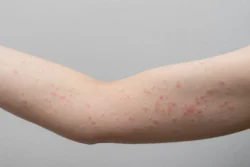
Yes. Hydrocortisone is often effective for treating mild eczema flare ups.
It does not cure eczema, but it helps control the symptoms by reducing inflammation and relieving itching. Many people notice improvement within a few days of starting treatment.
Hydrocortisone is commonly recommended for:
- Mild eczema
- Small flare ups
- Itchy patches
- Red, inflamed skin
- Areas affected by allergic reactions
For moderate or severe eczema, stronger prescription medications may be needed.
How Hydrocortisone Works
When eczema flares up, the immune system becomes overactive, leading to inflammation in the skin.
Hydrocortisone works by:
- Reducing inflammation
- Calming the immune response
- Relieving itching
- Decreasing redness
- Reducing swelling
- Helping the skin begin to heal
By reducing itching, hydrocortisone also helps prevent scratching, which can further damage the skin.
How Long Does It Take to Work?
Many people begin noticing relief from itching within a day or two.
Visible improvements in redness and inflammation often occur within several days.
The exact timeline depends on:
- The severity of eczema
- The strength of the hydrocortisone product
- How consistently it is used
- Individual response to treatment
If symptoms do not improve after about one week of proper use, consult your healthcare provider.
When Should Hydrocortisone Be Used?
Hydrocortisone is usually recommended during eczema flare ups rather than as a daily long term treatment.
It may be appropriate when you notice:
- Increasing redness
- More itching
- Inflamed patches
- Mild swelling
- Skin irritation
Once the flare improves, many people can continue managing eczema with moisturizers and good skincare.
How to Apply Hydrocortisone
Using hydrocortisone correctly helps improve its effectiveness while reducing the risk of side effects.
Follow these general steps:
- Wash your hands.
- Clean and dry the affected skin.
- Apply a thin layer of hydrocortisone.
- Gently rub it into the skin.
- Wash your hands again unless your hands are being treated.
Always follow the instructions on the product label or those provided by your healthcare provider.
Should Moisturizer Be Used With Hydrocortisone?
Yes.
Moisturizers are one of the most important parts of eczema treatment.
Hydrocortisone reduces inflammation, while moisturizers help repair the skin barrier and lock in moisture.
Many healthcare providers recommend applying moisturizer regularly throughout the day, even after eczema improves.
When Hydrocortisone May Not Be Enough
Hydrocortisone works well for many mild cases, but some people need stronger treatments.
Your healthcare provider may recommend other options if:
- Eczema covers large areas
- Symptoms are severe
- Skin becomes infected
- Frequent flare ups occur
- Hydrocortisone no longer controls symptoms
Treatment options may include stronger topical corticosteroids, nonsteroidal prescription creams, phototherapy, or oral medications.
Can Hydrocortisone Be Used on the Face?
Hydrocortisone may sometimes be used on the face, but only for short periods and with caution.
Facial skin is thinner than skin on many other parts of the body, making it more sensitive to corticosteroids.
Prolonged use on the face may increase the risk of side effects.
Always follow your healthcare provider’s recommendations when treating facial eczema.
Can Children Use Hydrocortisone?
Hydrocortisone is sometimes used to treat eczema in children.
Because children’s skin absorbs medication more easily, treatment should be used carefully and according to age appropriate instructions.
Parents should consult a healthcare provider before using hydrocortisone on infants or for prolonged periods.
Possible Side Effects of Hydrocortisone
Most people tolerate hydrocortisone well when used correctly.
Possible side effects include:
- Mild burning
- Stinging
- Skin dryness
- Skin irritation
Long term or excessive use may increase the risk of:
- Skin thinning
- Stretch marks
- Visible blood vessels
- Skin discoloration
- Delayed wound healing
These side effects are more likely with stronger corticosteroids or prolonged use.
When Should You Stop Using Hydrocortisone?
Hydrocortisone is generally intended for short term treatment of flare ups.
Speak with your healthcare provider if:
- Symptoms worsen
- No improvement occurs within several days
- The rash spreads
- Signs of infection develop
- Frequent flare ups continue
Do not continue using hydrocortisone for extended periods without medical advice.
Signs of Skin Infection
Eczema sometimes becomes infected because scratching damages the skin.
Signs of infection include:
- Yellow crusting
- Pus
- Increased redness
- Swelling
- Warm skin
- Fever
Seek medical care promptly if these symptoms appear.
Tips for Managing Eczema
Hydrocortisone is only one part of eczema treatment.
Daily skincare habits can help reduce flare ups.
Moisturize Frequently
Apply fragrance free moisturizer several times each day to help maintain the skin barrier.
Avoid Known Triggers
Common triggers include:
- Harsh soaps
- Fragrances
- Wool clothing
- Dry air
- Stress
- Dust mites
- Pet dander
- Certain detergents
Learning your personal triggers can help reduce flare ups.
Take Short, Warm Showers
Long, hot showers may dry out the skin.
Short, warm showers followed by moisturizer are generally recommended.
Avoid Scratching
Scratching increases skin damage and raises the risk of infection.
Keeping fingernails short may help reduce skin injury.
Wear Soft Clothing
Cotton clothing is often more comfortable than rough fabrics that may irritate sensitive skin.
Can Hydrocortisone Cure Eczema?
No.
Hydrocortisone does not cure eczema.
Eczema is a chronic condition that often requires ongoing skin care.
Hydrocortisone helps manage flare ups by controlling inflammation, but symptoms may return after treatment ends if triggers are still present.
A long term eczema management plan usually includes:
- Daily moisturizers
- Trigger avoidance
- Gentle skincare
- Appropriate medications during flare ups

When Should You See a Doctor?
Consult a healthcare provider if:
- Eczema continues to worsen.
- Symptoms do not improve after several days of treatment.
- Large areas of skin are affected.
- The skin becomes infected.
- Sleep is disrupted by severe itching.
- You experience frequent flare ups.
Early treatment can help prevent complications and improve symptom control.
Frequently Asked Questions
Can hydrocortisone make eczema worse?
In some cases, hydrocortisone may not improve eczema if the skin is infected, the diagnosis is incorrect, or the medication is used improperly. If symptoms worsen, stop using it and consult your healthcare provider.
Is hydrocortisone better as a cream or an ointment for eczema?
Both can be effective, but ointments are often preferred for very dry eczema because they provide better moisture retention, while creams may feel lighter and absorb more quickly.
Can I use hydrocortisone every day for eczema?
Hydrocortisone is generally intended for short term use during eczema flare ups. Daily, long term use should only be done under the guidance of a healthcare provider.
Does hydrocortisone stop eczema from coming back?
No. Hydrocortisone treats the symptoms of eczema during a flare up but does not prevent future flare ups. Ongoing skincare and trigger management are important for long term control.
Can hydrocortisone be used with other eczema medications?
Yes. In some cases, hydrocortisone may be used alongside moisturizers or other prescribed eczema treatments. Follow your healthcare provider’s instructions to avoid unwanted interactions.
Is hydrocortisone safe to use during pregnancy for eczema?
Low strength hydrocortisone may be recommended during pregnancy in certain situations, but it should only be used after discussing the benefits and risks with your healthcare provider.
Can hydrocortisone help eczema caused by allergies?
Yes. Hydrocortisone can reduce inflammation and itching associated with eczema, including flare ups that may be triggered by allergens.
Does hydrocortisone expire?
Yes. Like all medications, hydrocortisone has an expiration date. Do not use expired products, as they may not work as effectively.
Can I cover the treated area with a bandage after applying hydrocortisone?
Only if your healthcare provider recommends it. Covering treated skin may increase the amount of medication absorbed, which can raise the risk of side effects.
How should hydrocortisone be stored?
Store hydrocortisone at room temperature in a cool, dry place away from direct sunlight and moisture. Keep it out of reach of children and do not freeze it unless the product instructions say otherwise.
Conclusion
Hydrocortisone is one of the most commonly used treatments for mild eczema because it effectively reduces inflammation, itching, and redness during flare ups. While it does not cure eczema, it can provide significant relief when used correctly and for short periods.
For the best results, hydrocortisone should be combined with regular moisturizing, gentle skincare, and avoiding known triggers. If your eczema is severe, keeps returning, or does not improve with hydrocortisone, speak with your healthcare provider. They can recommend additional treatments that are better suited to your condition.
Managing eczema often requires a long term approach, but with the right treatment plan, many people are able to keep symptoms well controlled and improve their quality of life.
Disclaimer – This article is for informational purposes only and is not a substitute for professional medical advice. Always consult a qualified healthcare provider before using hydrocortisone or any medication to treat eczema.

Comprehensive Skincare for Patients of All Ages
BOOK AN APPOINTMENTSince 1982, Palm Beach Dermatology Group has developed treatment plans that reflect our patients’ goals for healthy and beautiful skin. The doctors and professionals on our team have attended top schools, like Brown University, NYU, and the University of Miami, received special honors, and contributed to esteemed medical journals.
Our background and knowledge of the latest pharmaceutical technologies enable us to uphold the highest safety standards and deliver quality service and care to our patients. At PGA Dermatology Skin & Aesthetics Center, we make you feel comfortable and treat you like family from the moment you step inside our waiting room.