

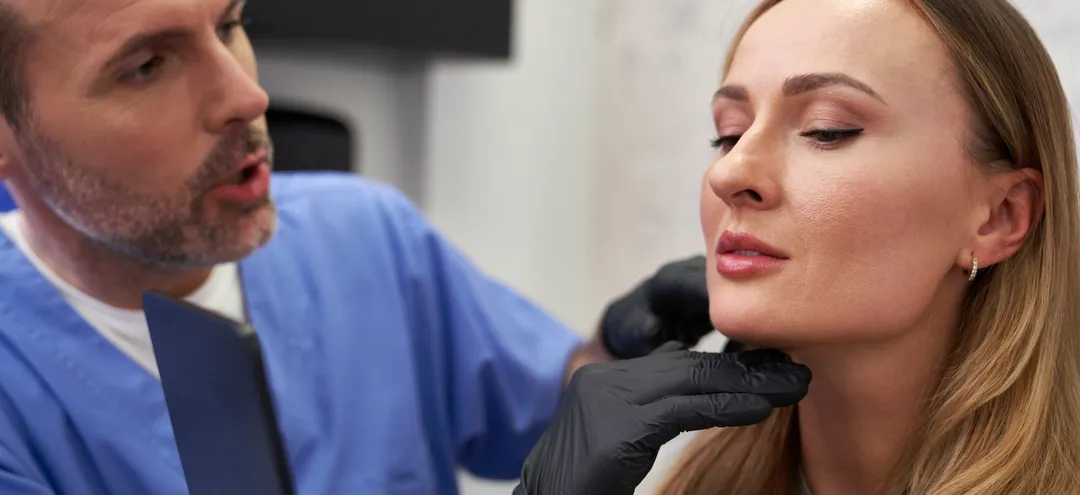
Facelifts are among the most popular cosmetic procedures worldwide, typically performed to restore a youthful appearance by tightening the skin and underlying tissues. While facelifts are generally associated with rejuvenating the face, many individuals seek this procedure for various reasons beyond the typical aesthetic goals, including addressing features such as the Adam’s apple.
But does facelift improve Adam’s apple? This question has become more prevalent as individuals aim to achieve a more refined neck and jawline. In this blog, we’ll delve into the relationship between facelifts and the Adam’s apple, discuss how a facelift may affect this area, and explore other options available for those looking to modify the appearance of their Adam’s apple.
What is the Adam’s Apple?
Before understanding how a facelift could affect the Adam’s apple, it’s essential to know what this feature is and how it functions. The Adam’s apple, medically known as the laryngeal prominence, is a noticeable bulge in the throat formed by the thyroid cartilage surrounding the larynx (voice box). While both men and women have a thyroid cartilage, men typically have a more prominent Adam’s apple due to the influence of male hormones like testosterone, which cause the cartilage to grow larger during puberty.
For many individuals, the size and prominence of the Adam’s apple can impact their self-confidence, especially if it is more pronounced than desired. As a result, some people may seek procedures to either reduce or improve the appearance of the Adam’s apple.
Facelift Procedure and Its Focus
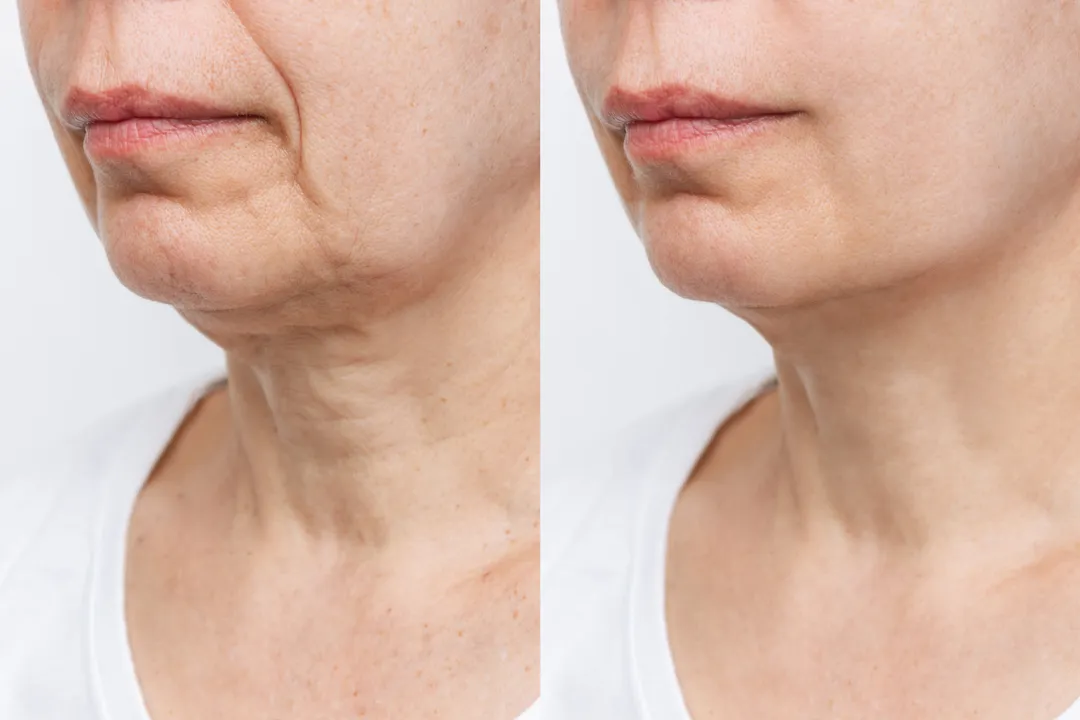
A facelift, or rhytidectomy, is a surgical procedure aimed at reducing visible signs of aging, such as sagging skin, deep folds, and wrinkles on the face and neck. During the procedure, a surgeon removes excess skin, tightens underlying muscles, and repositions facial tissues. The aim is to create a smoother, more youthful look by restoring volume and elasticity to the face and neck.
Traditionally, facelifts focus on the lower half of the face, including the jawline, cheeks, and neck. While facelifts are primarily designed to improve the facial features, they can also have an effect on the neck’s appearance.
Does Facelift Improve Adam’s Apple?
To answer the question directly: does facelift improve Adam’s apple? The short answer is no, at least not directly. A facelift primarily targets the skin and muscles in the lower face and neck, which means that its effects are more focused on sagging skin, jowls, and the overall profile of the face. It does not specifically address the size or shape of the Adam’s apple itself.
However, a facelift may have some indirect effects on the appearance of the neck, which could influence the visibility of the Adam’s apple. Here’s how:
- Neck Tightening: One of the primary benefits of a facelift is tightening the skin and muscles in the neck area. As this region is lifted and tightened, the overall contour of the neck may be enhanced, creating a smoother and more defined look. In some cases, this can make the Adam’s apple appear less pronounced, but it won’t change its size.
- Improved Jawline Definition: Facelifts often focus on improving the jawline, and by lifting and tightening the skin in the neck and lower face, a facelift can provide a more sculpted and youthful profile. In some cases, this enhanced jawline may make the Adam’s apple less noticeable as it may better integrate with the contours of the neck.
- Neck Liposuction: During a facelift procedure, surgeons sometimes perform neck liposuction to remove excess fat from under the chin and along the neck. This can provide a smoother appearance to the neck and jaw area. If excess fat around the neck is contributing to the prominence of the Adam’s apple, liposuction can offer some indirect improvement by providing a more streamlined neck contour.
When Facelift Isn’t Enough: Alternative Options to Improve the Adam’s Apple
While a facelift may provide some improvement in the neck area, individuals seeking a more noticeable change to the size or shape of their Adam’s apple may want to consider other options. Facelift alone might not address the root cause if the primary concern is the size or projection of the thyroid cartilage.
1. Chondrolaryngoplasty (Adam’s Apple Reduction Surgery)
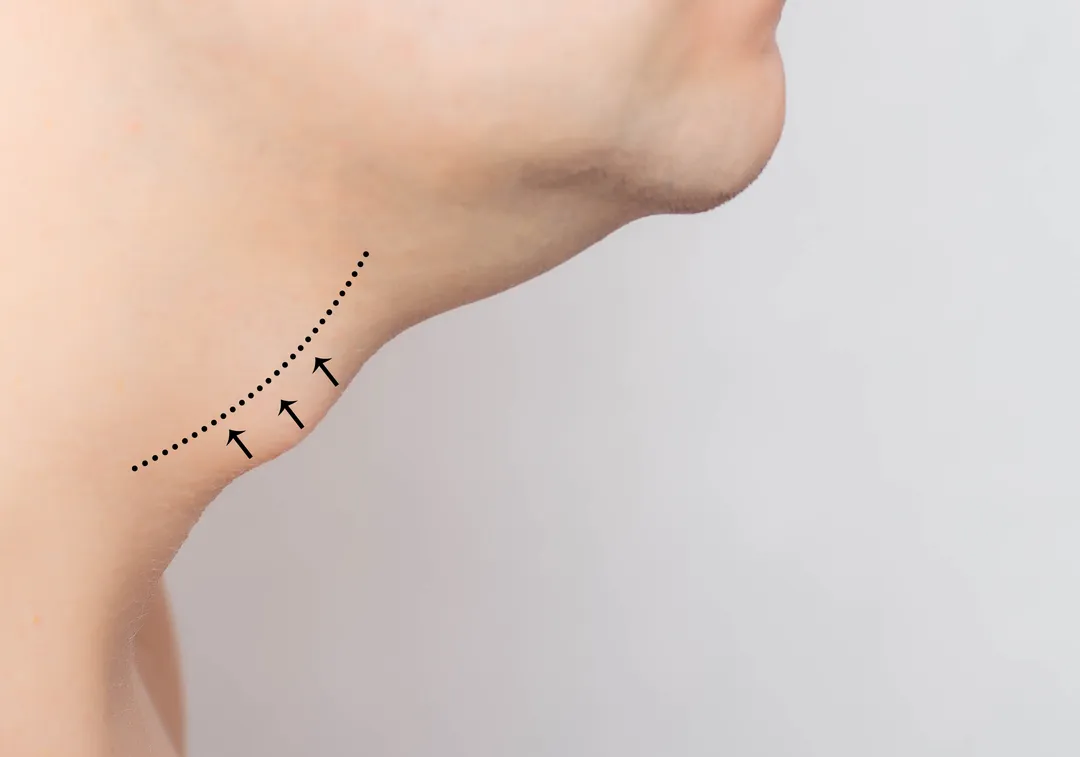
For individuals specifically looking to reduce the prominence of their Adam’s apple, chondrolaryngoplasty, or Adam’s apple reduction surgery, is the most effective procedure. This surgery is designed to reduce the size of the thyroid cartilage to create a more subtle appearance. During the procedure, a surgeon makes a small incision under the chin and carefully shaves down the cartilage, reducing the protrusion.
This surgery is popular among individuals looking for gender-affirming procedures or those simply wishing to reduce the prominence of their Adam’s apple for cosmetic reasons. Unlike a facelift, which addresses the skin and muscle of the neck, Adam’s apple reduction directly targets the cartilage that forms the bulge.
2. Neck Liposuction Alone
For some individuals, excess fat around the neck and under the chin can exacerbate the prominence of the Adam’s apple. In such cases, neck liposuction alone may help smooth out the neck area and make the Adam’s apple appear less pronounced. This option is often less invasive than a facelift and can be performed alone or as an adjunct to other procedures.
3. Botox Injections
In rare cases, Botox injections can be used to reduce the appearance of the Adam’s apple. While Botox is not typically used for this purpose, it can relax the muscles around the neck and throat, causing the area to soften slightly. However, this is a temporary solution and does not reduce the size of the thyroid cartilage itself.
4. Gender-Affirming Surgery for Transgender Individuals
For transgender women, the desire to reduce the appearance of the Adam’s apple is a common concern. Gender-affirming surgery, which includes both facial feminization surgery (FFS) and procedures like chondrolaryngoplasty, can address this concern. A combination of facial procedures, including Adam’s apple reduction, can help achieve a more feminine neck profile, and it is often performed as part of a broader facial feminization plan.
Recovery and Results from Adam’s Apple Reduction Surgery
If you’re considering surgery to address the size of your Adam’s apple, understanding the recovery process is essential. For those undergoing chondrolaryngoplasty, recovery time typically involves:
- Initial Healing Period: You may experience swelling and bruising in the neck area for several days to a week.
- Pain Management: Mild discomfort is common after the procedure, but it can usually be managed with prescribed pain medications.
- Follow-Up Appointments: Your surgeon will schedule follow-up visits to ensure proper healing and monitor your progress.
- Final Results: While some results will be visible soon after the procedure, the final appearance of the neck and Adam’s apple will be most noticeable after a few months when swelling has fully subsided.
Is a Facelift Right for You?
If you are considering a facelift, it’s crucial to have a detailed consultation with a board-certified cosmetic surgeon. They can discuss your goals and help you understand how a facelift can address concerns like sagging skin and neck definition. A facelift may only provide partial improvements for individuals who specifically want to address Adam’s apple. In such cases, combining a facelift with a procedure like chondrolaryngoplasty may be more effective.

Conclusion
So, does facelift improve Adam’s apple? While facelifts can improve the overall contour of the neck and reduce skin sagging, they do not directly address the size or prominence of the Adam’s apple. Dedicated procedures like Adam’s apple reduction surgery may be the best option for those looking for more significant changes to their Adam’s apple. Always consult a qualified surgeon to explore the best approach for achieving your aesthetic goals.