

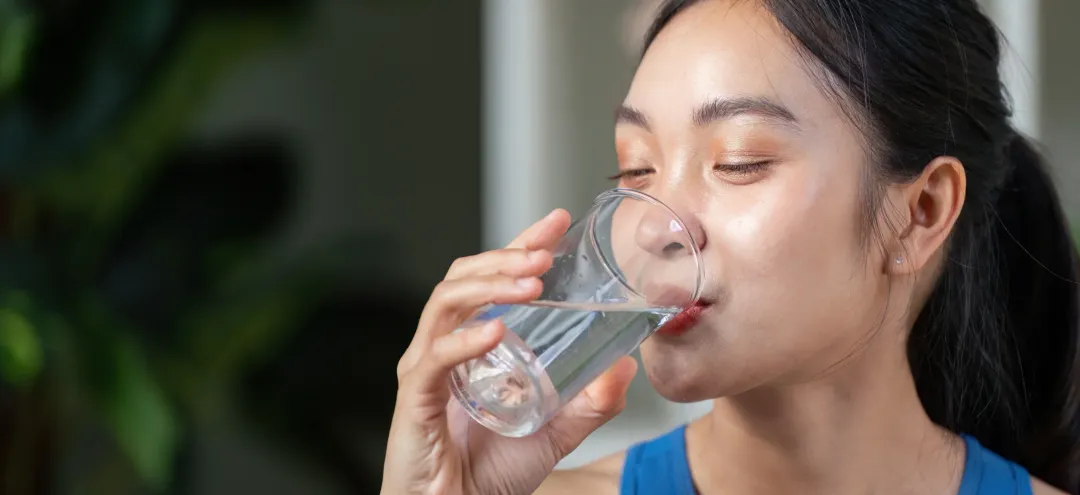
Acne is one of the most common skin concerns in the world. Teenagers, adults, and even older individuals can experience breakouts. Because acne can affect appearance and confidence, many people look for simple and natural ways to improve their skin. One of the most common questions asked is whether drinking more water can help clear acne.
Water is essential for overall health. It supports digestion, circulation, temperature regulation, and organ function. But does it directly treat acne? The answer is more complex than a simple yes or no.
This guide explains how acne forms, how hydration affects the body, and whether drinking water truly makes a difference for acne.
What Is Acne?
Acne is a skin condition that occurs when hair follicles become clogged with oil and dead skin cells. The skin produces an oily substance called sebum. Sebum helps keep the skin lubricated and protected. However, when too much oil combines with dead skin cells, pores can become blocked.
When pores are clogged, bacteria can grow inside them. This can cause inflammation, redness, and swelling. Acne can appear in several forms, including:
- Whiteheads
- Blackheads
- Pimples
- Cysts
- Nodules
Acne most commonly affects the face, chest, shoulders, and back.
What Causes Acne?
Acne develops due to a combination of factors. Drinking water alone does not address all of them. Common causes include:
Hormones
Hormonal changes increase oil production. This is why acne often appears during puberty, menstruation, pregnancy, or periods of stress.
Excess Oil Production
When the skin produces too much oil, pores are more likely to clog.
Bacteria
A type of bacteria called Cutibacterium acnes can multiply in clogged pores and cause inflammation.
Dead Skin Cells
If dead skin cells are not shed properly, they can mix with oil and block pores.
Diet and Lifestyle
Certain foods, stress levels, lack of sleep, and skincare habits may influence acne severity.
Because acne has multiple causes, no single solution works for everyone.
The Role of Water in the Body
Water makes up about sixty percent of the human body. It plays many important roles, including:
- Transporting nutrients
- Removing waste
- Supporting digestion
- Regulating body temperature
- Keeping tissues hydrated
Proper hydration helps organs function efficiently. When the body is dehydrated, many systems may not work as effectively.
But how does this relate to skin health?
How Hydration Affects the Skin
The skin is the body’s largest organ. Like other organs, it needs adequate hydration to function properly.
Skin Barrier Function
The outer layer of the skin acts as a barrier that protects against bacteria, pollution, and irritants. When the skin is dehydrated, this barrier can weaken. A weakened barrier may lead to irritation and increased sensitivity.
Oil Production
When skin becomes dry, it may produce more oil to compensate. Excess oil can contribute to clogged pores, which may increase breakouts in some people.
Healing Process
Proper hydration supports circulation. Healthy circulation helps deliver nutrients and oxygen to the skin, which may assist in healing acne lesions.
While water supports overall skin function, it does not directly eliminate acne.
Does Drinking Water Directly Clear Acne?
There is no strong scientific evidence showing that drinking large amounts of water alone will cure acne.
However, staying properly hydrated may help support overall skin health in indirect ways.
Indirect Benefits of Drinking Water
- It may help maintain balanced oil production in dehydrated skin.
- It supports the body’s natural detoxification systems, including the kidneys and liver.
- It helps maintain skin elasticity and overall appearance.
- It supports healing of inflamed or damaged skin.
These benefits contribute to healthier skin but do not specifically target clogged pores or bacteria.
If someone is severely dehydrated, increasing water intake may improve skin appearance. However, for individuals who already drink adequate water, drinking extra amounts will not necessarily improve acne.
Can Dehydration Make Acne Worse?
Dehydration does not directly cause acne, but it can make the skin more vulnerable.
When the skin lacks moisture:
- It may become irritated
- Oil production may increase
- The skin barrier may weaken
- Healing may slow down
These factors can create conditions that make breakouts more noticeable or slower to resolve.
Maintaining proper hydration is part of good skincare, but it should not be viewed as a primary acne treatment.
How Much Water Should You Drink?
The amount of water needed varies depending on age, body size, climate, and activity level. A general guideline often suggested is:
- About eight cups per day for adults
Some individuals may need more, especially if they exercise regularly or live in hot climates.
Urine color can be a simple indicator of hydration. Pale yellow usually suggests adequate hydration. Dark yellow may indicate dehydration.
Drinking excessive amounts of water does not improve acne and can be unsafe. Balance is important.
Other Factors That Affect Acne More Than Water
While hydration supports skin health, other factors play a larger role in acne development.
Skincare Routine
Using gentle cleansers, avoiding harsh scrubbing, and choosing non comedogenic products can help reduce clogged pores.
Diet
Some studies suggest that high glycemic foods and excessive dairy may worsen acne in certain individuals. A balanced diet rich in fruits, vegetables, and whole grains supports overall health.
Stress
Stress increases certain hormones that can trigger oil production. Managing stress through sleep, exercise, and relaxation techniques may improve skin over time.
Hormonal Balance
Hormonal fluctuations are a major contributor to acne. In some cases, medical treatment may be necessary.
Medical Treatments
Topical treatments such as benzoyl peroxide and salicylic acid directly target acne. In moderate to severe cases, dermatologists may prescribe medications.
Compared to these factors, water plays a supportive but not central role.
Common Myths About Water and Acne
There are many myths surrounding acne and hydration.
Myth 1: Drinking More Water Flushes Out Acne
The body removes toxins mainly through the liver and kidneys. Drinking water supports these organs, but it does not directly flush acne from the skin.
Myth 2: Acne Is Caused by Toxins
Acne is caused by clogged pores, oil production, bacteria, and inflammation. It is not simply the result of toxins in the bloodstream.
Myth 3: The More Water You Drink, the Better Your Skin
Excessive water intake does not guarantee clear skin. Proper hydration is beneficial, but more is not always better.
Understanding these myths helps set realistic expectations.
Practical Tips for Healthy Skin
If your goal is clearer skin, consider a balanced approach.
Stay Hydrated
Drink water regularly throughout the day.
Follow a Consistent Skincare Routine
Cleanse gently twice daily. Use products suitable for acne prone skin.
Moisturize
Even oily skin needs moisture. Choose lightweight, non comedogenic moisturizers.
Protect Your Skin
Use sunscreen daily. Sun damage can worsen inflammation and cause dark spots after acne heals.
Maintain a Balanced Diet
Focus on whole foods and reduce excessive sugar intake.
Seek Professional Advice
If acne persists or becomes severe, consult a dermatologist.
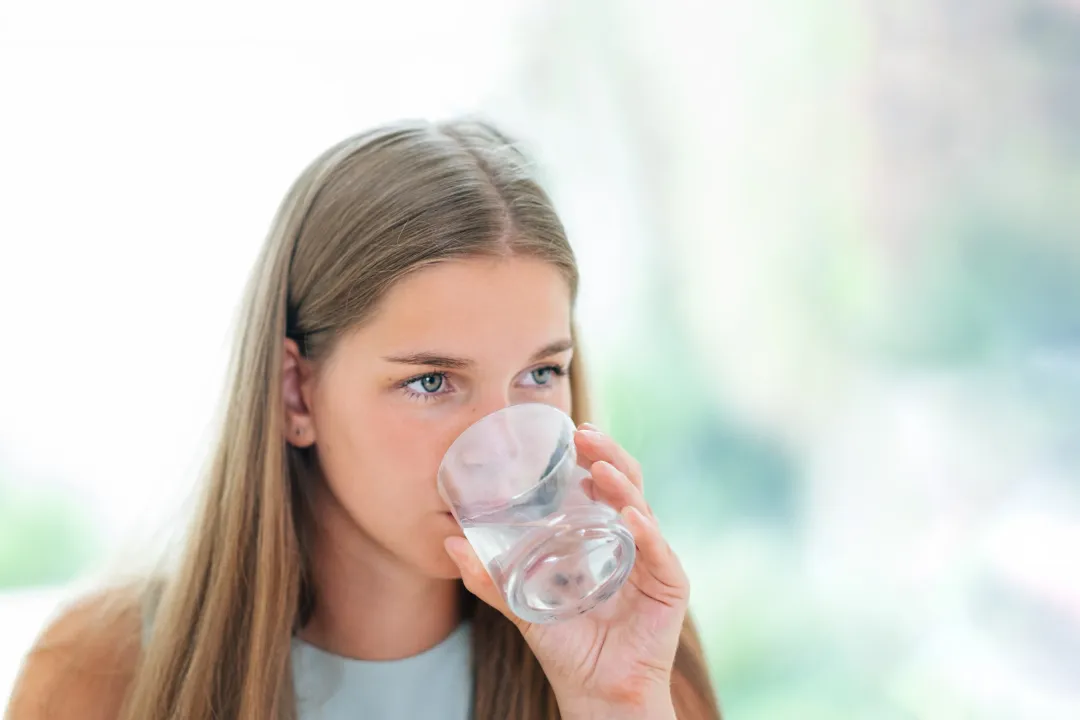
When Drinking Water May Help Most
Drinking water may be most helpful in the following situations:
- If someone is chronically dehydrated
- If skin appears dull or flaky due to dryness
- During hot weather or intense exercise
- When improving overall health habits
In these cases, improved hydration can support better skin function.
However, it should be combined with other effective acne management strategies.
Conclusion
Drinking water is essential for overall health and supports normal skin function. Proper hydration helps maintain the skin barrier, supports circulation, and may assist in healing.
However, there is no strong evidence that drinking extra water alone will clear acne. Acne is influenced by hormones, oil production, bacteria, genetics, and skincare habits. Water plays a supportive role but is not a cure.
If you are dealing with acne, focus on a balanced approach that includes proper skincare, a healthy diet, stress management, and medical advice if needed. Drinking adequate water should be part of that routine, but it should not be relied on as the sole solution.
Clear skin usually requires consistency and patience. Hydration supports your skin from the inside, but lasting improvements often come from addressing the root causes of acne.