
Does Coffee Cause Acne?
Key Takeaways
- Coffee Does Not Directly Cause Acne: Pure coffee itself does not directly trigger acne breakouts, as it lacks sugar and dairy; however, indirect factors like high caffeine intake can elevate cortisol (stress hormone) levels and stimulate excess sebum production.
- Added Dairy and Sugar are Primary Triggers: Flavored syrups, sweetened lattes, and cow's milk rapidly spike blood sugar and insulin levels, which promotes inflammation and hormonal fluctuations that worsen facial and body acne.
- Caffeine Disrupts Sleep and Elevates Stress: Consuming large amounts of caffeine—especially late in the afternoon—can disrupt healthy sleep patterns and elevate stress hormones, leading to clogged pores and inflamed skin.
- Black Coffee is the Safest Option: Switching to black coffee eliminates sugar and dairy triggers while delivering beneficial antioxidants that fight free radicals, supporting overall skin health without inducing insulin spikes.
- Simple Habit Adjustments Prevent Breakouts: You can enjoy coffee without harming your skin by drinking it in moderation (300–400 mg caffeine daily), swapping dairy for oat or almond milk, and avoiding coffee on an empty stomach.
Coffee is one of the most popular drinks in the world. Millions of people start their day with a cup of coffee to feel more alert and energized. While coffee has many benefits, some people worry that it may affect their skin. A common question people ask is: does coffee cause acne?
The answer is not simple. Coffee itself does not directly cause acne for most people. However, certain factors related to coffee consumption can contribute to acne breakouts in some individuals.
In this article, we will explain how coffee may affect your skin, whether it can trigger acne, and what you can do to enjoy coffee without harming your skin.
What Is Acne?
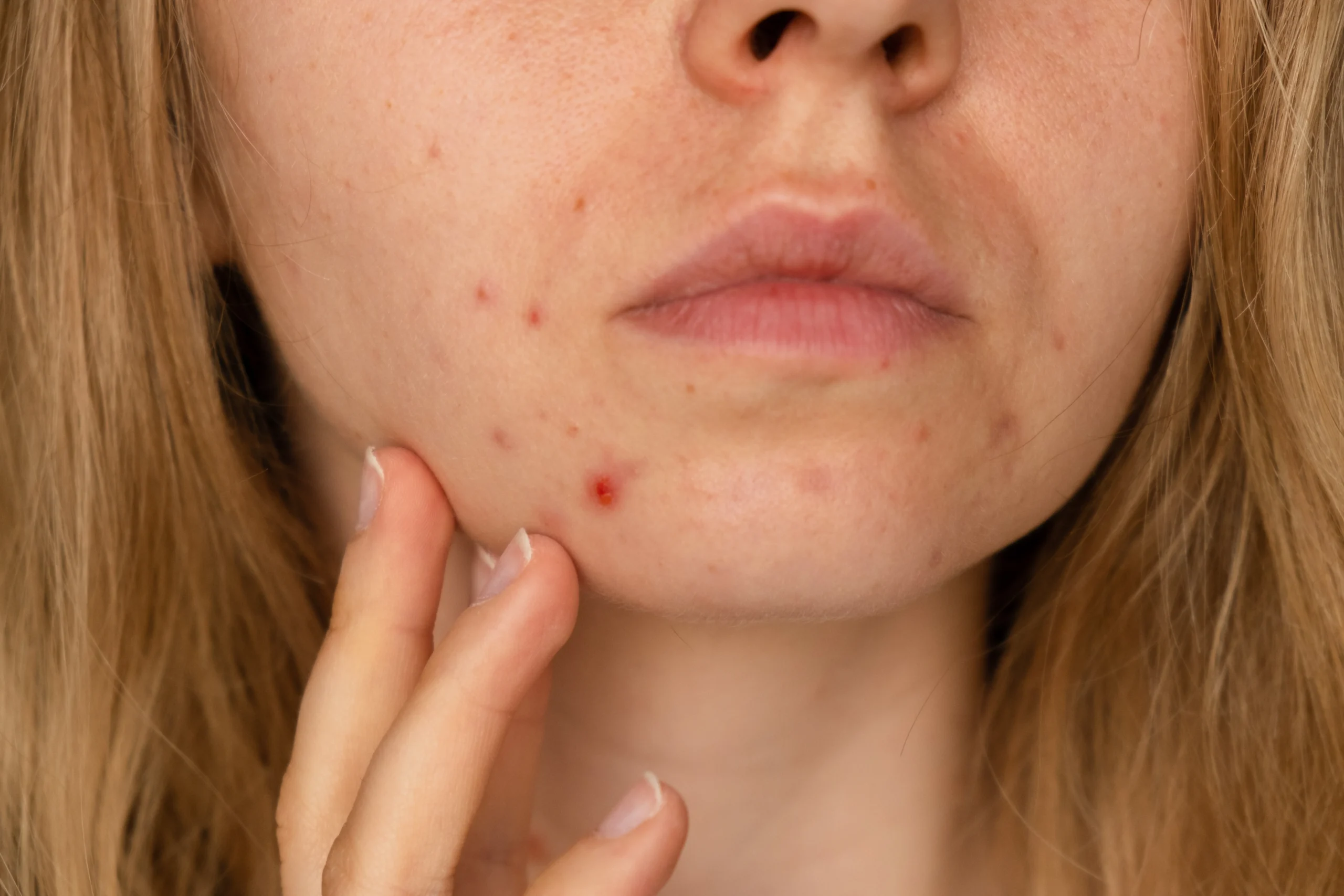
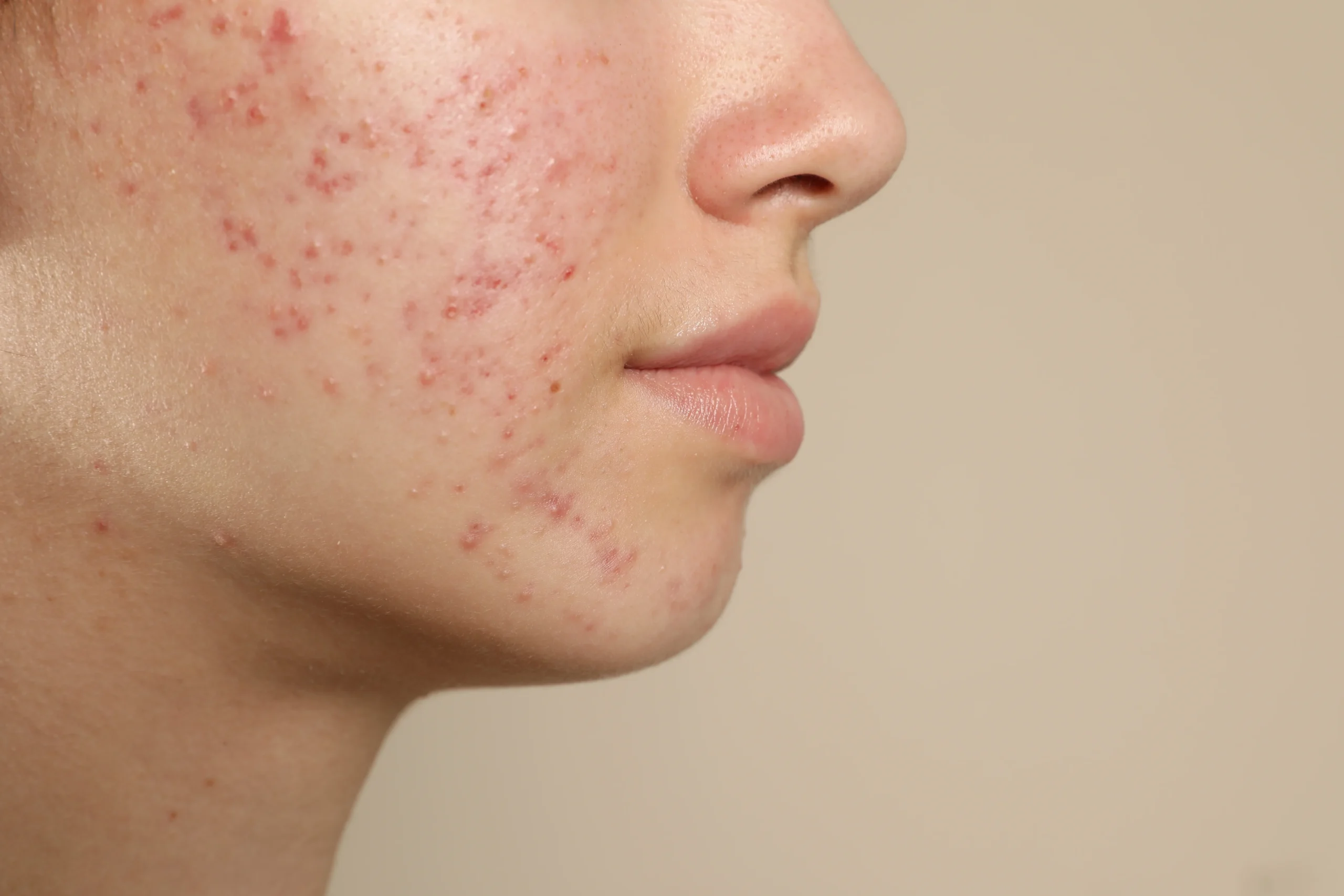
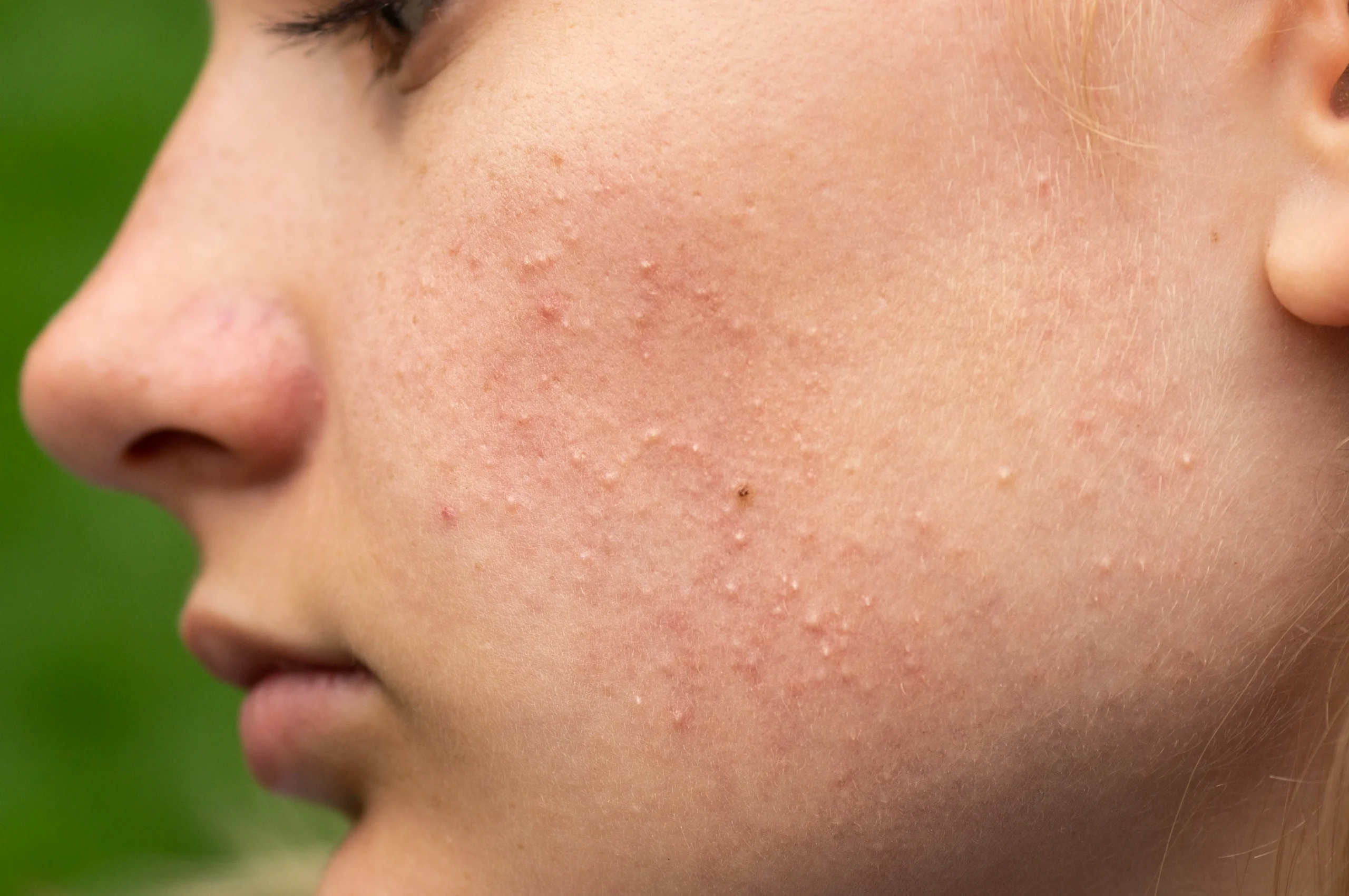
Acne is a common skin condition that occurs when hair follicles become clogged with oil and dead skin cells. It usually appears as pimples, blackheads, whiteheads, or inflamed bumps on the skin.
Acne commonly affects areas such as:
- Face
- Forehead
- Chest
- Back
- Shoulders
Acne is most common in teenagers, but adults can also experience it.
Several factors can cause or worsen acne, including hormones, diet, stress, skincare products, and genetics.
What Is Coffee Made Of?
Coffee contains several natural compounds that affect the body.
Some of the main components include:
- Caffeine
- Antioxidants
- Acids
- Natural oils
Caffeine is the main ingredient that gives coffee its stimulating effect. It helps increase alertness and energy levels.
Coffee also contains antioxidants that may help protect the body from certain types of damage caused by free radicals.
Despite these benefits, coffee may influence certain processes in the body that could indirectly affect acne.
Does Coffee Directly Cause Acne?
Coffee itself does not directly cause acne. There is no strong scientific evidence showing that drinking coffee alone leads to acne breakouts.
However, some aspects of coffee consumption may contribute to acne in certain people.
These include:
- Hormone changes
- Increased stress hormones
- Added sugar and dairy
- Poor sleep
- Increased oil production
These factors can create conditions that make acne more likely to appear.
How Coffee May Contribute to Acne
While coffee is not a direct cause of acne, it can influence the body in ways that may worsen existing acne.
Increased Stress Hormones
Caffeine stimulates the nervous system and can increase the production of cortisol, which is known as the stress hormone.
Higher cortisol levels may increase oil production in the skin. Excess oil can clog pores and contribute to acne formation.
People who consume large amounts of caffeine may notice more breakouts if their stress hormone levels rise.
Increased Oil Production
Caffeine may stimulate certain glands in the body that influence oil production. When the skin produces too much oil, pores can become clogged with oil and dead skin cells.
This can lead to blackheads, whiteheads, and inflamed pimples. However, this effect does not happen to everyone.
Sleep Disruption
Drinking coffee late in the day may interfere with sleep.
Poor sleep can increase stress levels and disrupt hormone balance. These changes can sometimes worsen acne.
Healthy sleep patterns are important for skin repair and overall skin health.
Sugar in Coffee Drinks
One of the biggest reasons coffee may contribute to acne is not the coffee itself but what people add to it.
Many coffee drinks contain large amounts of sugar.
Examples include:
- Flavored lattes
- Sweet iced coffee
- Caramel drinks
- Coffee with syrups
High sugar intake can raise blood sugar levels quickly. This may increase insulin levels and trigger hormonal changes that promote acne.
Dairy in Coffee
Milk is another common ingredient in coffee drinks.
Some studies suggest that dairy products may worsen acne in certain individuals.
Milk contains hormones and growth factors that may stimulate oil production in the skin.
People who are sensitive to dairy may notice more acne when they regularly drink milk-based coffee drinks.
Does Black Coffee Cause Acne?
Black coffee is less likely to contribute to acne compared to sweet or creamy coffee drinks.
Since black coffee contains no sugar or dairy, it does not affect blood sugar levels in the same way as sweet coffee beverages.
For many people, moderate amounts of black coffee have little effect on acne.
However, excessive caffeine intake could still influence stress hormones and sleep, which may indirectly affect skin health.
How Much Coffee Is Too Much?
Moderate coffee consumption is generally considered safe for most people.
Health experts usually recommend limiting caffeine intake to about 300 to 400 milligrams per day, which is roughly equal to 3 to 4 cups of coffee.
Drinking more than this may increase the chances of experiencing side effects such as:
- Anxiety
- Poor sleep
- Increased stress hormones
- Skin issues
If you suspect coffee is affecting your skin, reducing your intake may help.
Can Coffee Improve Skin Health?
Interestingly, coffee may also have some benefits for skin health.
Coffee contains antioxidants that help protect cells from damage caused by free radicals.
These antioxidants may support healthy skin and help reduce inflammation.
Some skincare products even include coffee extracts because they may improve circulation and reduce puffiness.
However, drinking coffee alone is not a treatment for acne.
Coffee and Hormones
Hormones play a major role in acne development.
Caffeine may influence hormone activity in some people. It can stimulate the adrenal glands, which produce hormones such as cortisol and adrenaline.
If cortisol levels stay elevated for long periods, the body may produce more oil in the skin.
This can increase the risk of clogged pores and acne.
People who are sensitive to caffeine may notice more skin changes compared to others.
Coffee and Stress
Stress is a known trigger for acne. While many people drink coffee to feel more energetic, excessive caffeine may increase feelings of nervousness or stress in some individuals.
Higher stress levels may worsen acne by increasing inflammation and oil production in the skin.
Managing stress through healthy habits can help improve skin health.
Signs Coffee May Be Affecting Your Skin
Not everyone experiences acne related to coffee consumption.
However, some signs may indicate that coffee is contributing to your breakouts.
These signs include:
- Acne appearing after increasing coffee intake
- Breakouts after drinking sweet coffee drinks
- Skin becomes oilier after caffeine consumption
- Acne improves when coffee intake is reduced
Keeping track of your diet and skin changes may help identify triggers.
How to Drink Coffee Without Causing Acne
If you enjoy coffee but are concerned about acne, there are several ways to reduce the risk of breakouts.
Choose Black Coffee
Black coffee contains no sugar or dairy, which makes it less likely to affect blood sugar levels or hormones.
Reduce Sugar
Avoid adding large amounts of sugar or flavored syrups to your coffee.
Limit Dairy
If dairy seems to trigger your acne, consider using plant based milk alternatives such as almond milk or oat milk.
Avoid Drinking Coffee Late at Night
Drinking coffee earlier in the day helps protect your sleep schedule.
Good sleep supports healthy skin.
Drink Coffee in Moderation
Limiting caffeine intake can help maintain balanced hormone levels.
Other Diet Factors That Affect Acne
Coffee is only one part of your diet. Many other foods can influence acne.
Common dietary triggers include:
- High sugar foods
- Processed snacks
- Dairy products
- Refined carbohydrates
Eating a balanced diet with fruits, vegetables, whole grains, and healthy fats may help support clearer skin.
Skincare Habits That Help Prevent Acne
Healthy skin habits are just as important as diet.
Some helpful skincare practices include:
- Washing your face twice daily
- Using non-comedogenic skincare products
- Avoiding heavy oils that clog pores
- Removing makeup before sleeping
- Keeping pillowcases clean
Consistent skincare routines can help reduce acne regardless of diet.
When to See a Dermatologist
If acne is severe or persistent, professional treatment may be necessary.
You should consider seeing a dermatologist if:
- Acne does not improve with basic skincare
- Breakouts are painful or cystic
- Acne causes scarring
- Over-the-counter treatments are not effective

A dermatologist can recommend treatments tailored to your skin type and condition.
So, Does Coffee Cause Acne?
In most cases, coffee itself is not a direct cause of acne.
However, factors associated with coffee consumption, such as caffeine, sugar, dairy, and poor sleep, may contribute to acne breakouts for some people.
Drinking coffee in moderation, choosing simple coffee options, and maintaining healthy lifestyle habits can help reduce the risk of skin problems.
If you notice that your acne worsens after drinking coffee, consider adjusting your coffee habits and observing how your skin responds.
Everyone’s skin reacts differently, so paying attention to your own body is the best way to determine whether coffee affects your acne.
Frequently Asked Questions
Can coffee make acne worse overnight?
Coffee usually does not cause immediate acne overnight. However, caffeine may influence hormones and sleep patterns, which can contribute to breakouts over time.
Does iced coffee cause more acne than hot coffee?
The temperature of coffee does not affect acne. The ingredients added to iced coffee, such as sugar and cream, are more likely to influence skin health.
Can decaf coffee cause acne?
Decaf coffee contains much less caffeine, so it may have less effect on stress hormones. However, sugary or dairy ingredients can still contribute to acne.
Does quitting coffee clear acne?
For some people, reducing or eliminating coffee may help improve acne, especially if caffeine or added ingredients were triggering breakouts.
Can coffee cause oily skin?
Caffeine may stimulate oil production in some individuals, which could make the skin appear oilier.
Can drinking coffee on an empty stomach affect acne?
Drinking coffee on an empty stomach may increase stomach acid and stress hormone levels in some people. Higher cortisol levels may indirectly influence oil production in the skin, which could contribute to acne for certain individuals.
Does cold brew coffee affect acne differently than regular coffee?
Cold brew coffee usually contains similar caffeine levels as regular coffee, so its effect on acne is generally the same. The ingredients added to the drink, such as sugar or cream, are more likely to affect skin health.
Can coffee cause hormonal acne?
Coffee itself does not directly cause hormonal acne, but caffeine may influence hormone activity in some people. If hormone levels become unbalanced, it may contribute to acne breakouts in certain cases.
Can coffee affect acne during menstruation?
Some people may notice increased sensitivity to caffeine before or during their menstrual cycle. Hormonal changes during this time may make acne more likely, and caffeine could sometimes make symptoms feel worse.
Does drinking less coffee improve skin over time?
For people who are sensitive to caffeine or added ingredients in coffee, reducing intake may help improve skin over time. However, results can vary from person to person.
Can coffee dehydrate the skin and cause breakouts?
Coffee has a mild diuretic effect, which means it can increase urination. If someone drinks large amounts of coffee and not enough water, dehydration may affect overall skin health.
Does the type of coffee bean affect acne?
The type of coffee bean usually does not have a major effect on acne. Factors like caffeine content, added ingredients, and individual sensitivity are more likely to influence skin reactions.
Can drinking coffee before workouts affect acne?
Coffee is often consumed before workouts for energy. While exercise itself can improve circulation and skin health, sweating without proper cleansing afterward may contribute to clogged pores.
Can coffee interact with acne medications?
In some cases, caffeine may interact with certain medications or increase skin sensitivity. People taking acne treatments should consult their doctor if they are unsure about caffeine intake.
Should people with sensitive skin limit coffee?
People with sensitive skin may benefit from observing how their skin reacts to caffeine and coffee drinks. If breakouts seem linked to coffee consumption, reducing intake may help.

Comprehensive Skincare for Patients of All Ages
BOOK AN APPOINTMENTSince 1982, Palm Beach Dermatology Group has developed treatment plans that reflect our patients’ goals for healthy and beautiful skin. The doctors and professionals on our team have attended top schools, like Brown University, NYU, and the University of Miami, received special honors, and contributed to esteemed medical journals.
Our background and knowledge of the latest pharmaceutical technologies enable us to uphold the highest safety standards and deliver quality service and care to our patients. At PGA Dermatology Skin & Aesthetics Center, we make you feel comfortable and treat you like family from the moment you step inside our waiting room.