
Does Coconut Oil Help With Eczema?
Eczema is a common skin condition that causes dry, itchy, inflamed, and irritated skin. People with eczema often look for ways to soothe their symptoms and improve their skin barrier. Among the many natural remedies available, coconut oil is one of the most popular options.
But does coconut oil actually help with eczema? The answer is that it may help some people manage certain symptoms of eczema, particularly dryness and irritation. While it is not a cure, coconut oil can be a useful addition to an eczema skincare routine when used correctly.
This guide explores how coconut oil may help with eczema, its potential benefits, possible risks, and the best ways to use it.
What Is Eczema?
Eczema, also known as atopic dermatitis, is a chronic skin condition that affects millions of people worldwide. It often causes:
- Dry skin
- Itching
- Redness
- Inflammation
- Rough patches
- Cracked skin
- Skin sensitivity
Symptoms can vary from person to person and may come and go over time. Eczema flare-ups can be triggered by factors such as allergens, weather changes, stress, certain fabrics, and skincare products.
One of the main challenges of eczema is maintaining a healthy skin barrier. When the skin barrier becomes weakened, moisture escapes more easily, leading to dryness and irritation.
What Is Coconut Oil?
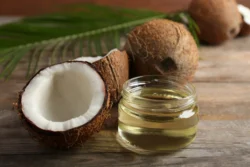
Coconut oil is a natural oil extracted from coconuts. It contains fatty acids that help moisturize and protect the skin.
Virgin coconut oil is often recommended for skincare because it undergoes less processing than refined coconut oil. This allows it to retain more of its natural compounds.
For many years, coconut oil has been used in beauty and skincare routines due to its moisturizing properties and smooth texture.
Can Coconut Oil Help Eczema?
Coconut oil may help manage certain eczema symptoms, especially dryness and skin barrier damage.
People with eczema often have skin that loses moisture easily. Coconut oil can create a protective layer on the skin that helps reduce moisture loss.
As a result, the skin may feel softer, smoother, and less irritated.
While coconut oil can help improve skin hydration, it does not treat the underlying causes of eczema. Therefore, it is best viewed as a supportive skincare option rather than a complete treatment.
How Coconut Oil May Benefit Eczema
Helps Moisturize Dry Skin
One of the biggest benefits of coconut oil is its ability to moisturize.
Dry skin is one of the most common symptoms of eczema. Applying coconut oil can help lock in moisture and reduce dryness.
Well-moisturized skin may be less likely to crack or become irritated.
Supports the Skin Barrier
The skin barrier helps protect against environmental irritants and prevents excessive moisture loss.
Because coconut oil contains nourishing fatty acids, it may help support and strengthen the skin’s protective barrier.
A healthier skin barrier can make eczema-prone skin feel more comfortable.
May Reduce Skin Irritation
Many people find that coconut oil helps soothe irritated skin.
Its moisturizing effect can reduce feelings of tightness and discomfort associated with dry eczema patches.
Helps Keep Skin Soft
Regular use of coconut oil may improve skin texture and softness.
When the skin remains hydrated, rough and flaky areas often become less noticeable.
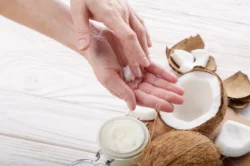
Why Moisturizing Is Important for Eczema
Moisturizing is one of the most important parts of eczema management.
Without proper hydration, eczema-prone skin can become increasingly dry and vulnerable to irritation.
Benefits of regular moisturizing include:
- Improved skin hydration
- Reduced dryness
- Better skin comfort
- Enhanced skin barrier function
- Less visible flaking
Because coconut oil acts as an emollient, it can help support these goals when included in a skincare routine.
What Type of Coconut Oil Is Best?
Not all coconut oils are the same.
Virgin Coconut Oil
Virgin coconut oil is often considered the best option for skincare.
It is minimally processed and retains more of its natural properties.
Many people choose virgin coconut oil specifically for eczema-prone skin.
Refined Coconut Oil
Refined coconut oil undergoes additional processing.
While it can still provide moisture, some people prefer virgin coconut oil because it is less processed.
When selecting a product, look for high-quality coconut oil intended for skin use.
How to Use Coconut Oil for Eczema
Apply After Bathing
One of the best times to apply coconut oil is after bathing or showering.
The skin retains some moisture after washing, and coconut oil can help lock that moisture into the skin.
Use on Dry Areas
Coconut oil can be applied directly to dry patches of skin.
Gently massage a small amount into the affected area until absorbed.
Use Regularly
Consistency is important when managing eczema.
Regular application may help maintain skin hydration and improve overall skin comfort.
Apply to Clean Skin
Always apply coconut oil to clean skin to reduce the risk of trapping dirt or irritants against the skin.
Can Coconut Oil Prevent Eczema Flare-Ups?
Coconut oil may help reduce dryness that can contribute to skin discomfort, but it cannot guarantee the prevention of eczema flare-ups.
Eczema is influenced by many factors, including genetics, environmental triggers, allergies, and stress.
While keeping the skin moisturized is beneficial, people with eczema may still experience flare-ups despite regular skincare.
Are There Any Risks?
Although coconut oil is generally well tolerated, it may not be suitable for everyone.
Skin Sensitivity
Some individuals may experience irritation or sensitivity when using coconut oil.
If redness, itching, or discomfort occurs, discontinue use and consult a healthcare professional.
Allergic Reactions
Although uncommon, some people may have an allergy to coconut or coconut-derived products.
A patch test can help determine whether the skin reacts negatively before applying the oil more broadly.
Not a Medical Treatment
Coconut oil should not replace prescribed eczema treatments.
People with moderate or severe eczema should follow the guidance of their healthcare provider regarding medications and skincare products.
Coconut Oil vs Other Moisturizers
There are many moisturizers available for eczema-prone skin.
Coconut oil is popular because it is natural, accessible, and simple to use. However, some people may prefer creams, ointments, or lotions specifically formulated for eczema.
The best moisturizer is often the one that keeps the skin hydrated without causing irritation.
Some people even combine coconut oil with other moisturizing products as part of their skincare routine.
Who May Benefit Most From Coconut Oil?
Coconut oil may be particularly helpful for people who:
- Have mild eczema symptoms
- Experience dry skin
- Want a simple moisturizer
- Prefer natural skincare products
- Need additional moisture support
However, individual results can vary. What works well for one person may not work the same way for another.
Tips for Managing Eczema
In addition to moisturizing with coconut oil, several habits may help support healthier skin.
Avoid Harsh Products
Choose gentle cleansers and skincare products that are less likely to irritate sensitive skin.
Keep Skin Hydrated
Apply moisturizer regularly to help maintain the skin barrier.
Identify Triggers
Understanding personal eczema triggers can help reduce flare-ups.
Wear Comfortable Fabrics
Soft, breathable fabrics may be less irritating than rough materials.
Follow Medical Advice
People with ongoing or severe eczema symptoms should seek guidance from a healthcare professional.
FAQs
Can coconut oil cure eczema?
No. Coconut oil cannot cure eczema, but it may help relieve dryness, support the skin barrier, and improve overall skin comfort.
How often should coconut oil be applied to eczema-prone skin?
Many people apply coconut oil once or twice a day, especially after bathing, to help lock in moisture and keep the skin hydrated.
Is virgin coconut oil better than refined coconut oil for eczema?
Virgin coconut oil is often preferred because it undergoes less processing and retains more of its natural properties.
Can children with eczema use coconut oil?
Many parents use coconut oil as a moisturizer for children with eczema, but it is always best to consult a healthcare professional before introducing new skincare products.
Should coconut oil be applied to wet or dry skin?
Coconut oil is usually most effective when applied to slightly damp skin after bathing, as it helps seal in moisture.
Can coconut oil make eczema worse?
In some cases, individuals may experience irritation or sensitivity. If symptoms worsen after application, discontinue use and seek medical advice.
Is coconut oil safe for daily use?
For most people, coconut oil can be used daily as part of a regular skincare routine, provided it does not cause irritation or discomfort.
Can coconut oil help reduce itching caused by eczema?
By moisturizing dry skin and supporting the skin barrier, coconut oil may help reduce itching associated with eczema-related dryness.
Can coconut oil be used alongside other eczema treatments?
Yes. Many people use coconut oil together with prescribed treatments and moisturizers, but medical advice should always be followed.
How long does it take to see results from coconut oil for eczema?
Results vary from person to person, but some individuals notice improved hydration and skin comfort within a few days of consistent use.
Conclusion
Coconut oil may help with eczema by moisturizing dry skin, supporting the skin barrier, and improving overall skin comfort. Its natural fatty acids help lock in moisture, making it a popular option for people looking to manage dryness and irritation associated with eczema.
While coconut oil can be a helpful addition to a skincare routine, it is not a cure for eczema and should not replace professional medical treatment when needed. Individual results can vary, and some people may find that other moisturizers work better for their skin.
For many individuals, however, virgin coconut oil offers a simple and natural way to keep eczema-prone skin hydrated and more comfortable. When used consistently as part of a broader skincare plan, it may help support healthier-looking skin and reduce some of the discomfort associated with eczema.

Comprehensive Skincare for Patients of All Ages
BOOK AN APPOINTMENTSince 1982, Palm Beach Dermatology Group has developed treatment plans that reflect our patients’ goals for healthy and beautiful skin. The doctors and professionals on our team have attended top schools, like Brown University, NYU, and the University of Miami, received special honors, and contributed to esteemed medical journals.
Our background and knowledge of the latest pharmaceutical technologies enable us to uphold the highest safety standards and deliver quality service and care to our patients. At PGA Dermatology Skin & Aesthetics Center, we make you feel comfortable and treat you like family from the moment you step inside our waiting room.