
Does Aloe Vera Help Eczema? Complete Guide to Benefits, Uses & Risks
Eczema is a common skin condition that affects millions of people. It can cause itching, redness, dryness, irritation, and discomfort that can interfere with daily life. Because eczema often comes and goes, many people look for natural remedies to help soothe symptoms and support healthier skin.
One of the most popular natural skincare ingredients is aloe vera. Known for its cooling and moisturizing properties, aloe vera has been used for centuries to help treat various skin concerns. But many people still ask: does aloe vera help eczema?
The short answer is that aloe vera may help relieve some eczema symptoms, especially dryness, irritation, and inflammation. However, it is not considered a cure for eczema, and results can vary from person to person.
In this guide, you will learn what eczema is, how aloe vera works, its potential benefits and limitations, and the best ways to use it safely.
What Is Eczema?
Eczema is a group of skin conditions that cause inflammation and irritation.
The most common type is atopic dermatitis, which often develops during childhood but can affect people of all ages.
Common eczema symptoms include:
- Dry skin
- Itching
- Redness
- Flaking
- Swelling
- Cracked skin
- Skin sensitivity
- Rash-like patches
Symptoms may range from mild to severe and often occur in cycles known as flare-ups.
What Causes Eczema?
The exact cause of eczema is not fully understood.
Researchers believe it results from a combination of factors, including:
- Genetics
- Immune system responses
- Environmental triggers
- Skin barrier dysfunction
Common triggers include:
- Dry air
- Allergens
- Stress
- Certain soaps
- Fragrances
- Harsh detergents
- Temperature changes
Because triggers vary from person to person, eczema management often requires an individualized approach.
What Is Aloe Vera?
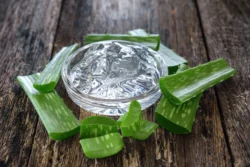
Aloe vera is a succulent plant known for the clear gel found inside its leaves.
The gel contains numerous compounds, including:
- Vitamins
- Minerals
- Amino acids
- Antioxidants
- Enzymes
- Polysaccharides
For centuries, aloe vera has been used in skincare products and home remedies because of its soothing and moisturizing properties.
Today, aloe vera can be found in:
- Gels
- Creams
- Lotions
- Ointments
- Moisturizers

Does Aloe Vera Help Eczema?
Aloe vera may help reduce some eczema symptoms.
Many people use aloe vera to help:
- Moisturize dry skin
- Calm irritation
- Reduce redness
- Soothe itching
- Support skin healing
While aloe vera may provide symptom relief, it is not a replacement for medical treatment when eczema is severe.
Its effectiveness often depends on the individual’s skin condition and the severity of symptoms.
Why Might Aloe Vera Help Eczema?
Several properties of aloe vera may benefit eczema-prone skin.
Moisturizing Properties
One of the biggest challenges for people with eczema is maintaining skin hydration.
Aloe vera contains a high water content that can help support skin moisture.
Proper hydration helps reduce:
- Dryness
- Tightness
- Flaking
Moisturized skin may also be less likely to crack and become irritated.
Soothing Effects
Aloe vera is widely known for its cooling sensation.
This soothing effect may help provide temporary relief from itching and irritation associated with eczema flare-ups.
Anti-Inflammatory Properties
Inflammation is a major factor in eczema symptoms.
Some compounds in aloe vera have anti-inflammatory properties that may help calm irritated skin.
Reducing inflammation can contribute to improved comfort and appearance.
Skin Barrier Support
People with eczema often have a weakened skin barrier.
The skin barrier helps protect against:
- Moisture loss
- Irritants
- Allergens
- Bacteria
Aloe vera may help support skin hydration and promote healthier skin function.
Can Aloe Vera Reduce Eczema Itching?
Many people use aloe vera specifically to relieve itching.
The cooling sensation of aloe vera gel may provide temporary comfort when skin feels irritated.
Reducing the urge to scratch is important because scratching can:
- Damage the skin
- Increase inflammation
- Raise the risk of infection
While aloe vera may not eliminate itching entirely, some people find it helpful during mild flare-ups.
Can Aloe Vera Reduce Eczema Redness?
Aloe vera may help calm skin irritation and reduce the appearance of redness.
Its soothing properties can be beneficial when skin feels inflamed or sensitive.
However, severe redness often requires additional treatment and medical evaluation.
Can Aloe Vera Help Dry Eczema Skin?
Yes, aloe vera may help improve skin hydration.
Dry skin is one of the most common eczema symptoms.
Regular moisturizing is considered one of the most important parts of eczema management.
Aloe vera may be especially useful when combined with other moisturizing ingredients.
Is Aloe Vera Good for Eczema Flare-Ups?
Some individuals use aloe vera during flare-ups to help soothe affected areas.
Potential benefits may include:
- Cooling relief
- Temporary itch reduction
- Improved moisture levels
- Reduced discomfort
However, severe flare-ups often require treatments recommended by a healthcare professional.
What Does Research Say About Aloe Vera and Eczema?
Research on aloe vera and eczema is still evolving.
Studies suggest that aloe vera contains compounds with:
- Moisturizing effects
- Anti-inflammatory properties
- Antioxidant activity
These characteristics may support skin health and help reduce irritation.
However, more research is needed to fully understand how effective aloe vera is specifically for eczema treatment.
Most experts consider aloe vera a supportive skincare ingredient rather than a standalone treatment.
How Do You Use Aloe Vera for Eczema?
There are several ways people use aloe vera on eczema-prone skin.
Pure Aloe Vera Gel
Many people apply pure aloe vera gel directly to affected areas.
The gel should be:
- Free from fragrances
- Free from alcohol
- Free from unnecessary additives
Pure products are often less likely to cause irritation.
Aloe Vera Moisturizers
Many eczema-friendly moisturizers contain aloe vera alongside other hydrating ingredients.
These products may provide longer-lasting moisture.
Aloe Vera Creams
Creams often combine aloe vera with ingredients designed to support the skin barrier.
They may be useful for people with very dry skin.
How Often Can You Apply Aloe Vera for Eczema?
Frequency depends on the product and individual skin response.
Many people apply aloe vera:
- Once daily
- Twice daily
- After bathing
Following product instructions is important.
If irritation occurs, use should be discontinued.
Can Children Use Aloe Vera for Eczema?
Some parents use aloe vera products on children with eczema.
However, children’s skin can be sensitive.
Before applying aloe vera widely, a small patch test is recommended.
Parents should consult a pediatric healthcare provider when managing eczema in children.
Can Aloe Vera Help Baby Eczema?
Some baby skincare products include aloe vera as a soothing ingredient.
Because infants have delicate skin, parents should use products specifically designed for babies and seek medical guidance when needed.
Is Aloe Vera Safe for Sensitive Skin?
Aloe vera is generally considered safe for many people.
However, some individuals may experience sensitivity or allergic reactions.
Possible reactions include:
- Burning
- Stinging
- Redness
- Rash
Testing a small area first can help identify potential issues.
Can Aloe Vera Make Eczema Worse?
In some cases, yes.
Although uncommon, certain individuals may react negatively to aloe vera.
This is more likely if:
- The product contains additives
- Fragrances are present
- The individual has a sensitivity to aloe vera
If symptoms worsen after use, discontinue the product and consult a healthcare provider.
Should You Use Fresh Aloe Vera From the Plant?
Some people prefer using fresh aloe vera directly from the plant.
While fresh aloe vera can be used, proper preparation is important.
The yellow latex layer beneath the leaf skin can sometimes irritate sensitive skin.
Commercial aloe vera products are often processed to remove unwanted components.
What Other Natural Remedies Are Used for Eczema?
People often combine aloe vera with other skincare strategies.
Popular options include:
- Oatmeal baths
- Coconut oil
- Ceramide moisturizers
- Colloidal oatmeal creams
- Humidifiers
Not every remedy works for every person, so individual results vary.
What Is the Best Moisturizer for Eczema?
Dermatologists often recommend moisturizers that are:
- Fragrance-free
- Gentle
- Thick and hydrating
- Designed for sensitive skin
Aloe vera can be a helpful ingredient, but products should also support the skin barrier.
Can Aloe Vera Replace Prescription Eczema Treatments?
No.
Aloe vera should not replace prescribed treatments without medical guidance.
Moderate to severe eczema often requires treatments such as:
- Prescription creams
- Topical medications
- Medical moisturizers
- Other therapies
Aloe vera may serve as a complementary skincare product rather than a primary treatment.
How Can You Manage Eczema Naturally?
Managing eczema often involves multiple approaches.
Helpful strategies include:
Moisturize Daily
Consistent hydration helps support the skin barrier.
Avoid Triggers
Identify and avoid factors that worsen symptoms.
Use Gentle Skincare Products
Choose fragrance-free and sensitive-skin-friendly products.
Maintain Indoor Humidity
Dry indoor air can worsen eczema symptoms.
Avoid Excessive Scratching
Scratching can damage skin and prolong flare-ups.
Common Myths About Aloe Vera and Eczema
Myth: Aloe Vera Cures Eczema
Aloe vera may help manage symptoms, but it does not cure eczema.
Myth: Natural Products Cannot Cause Reactions
Natural ingredients can still trigger sensitivities in some individuals.
Myth: More Aloe Vera Means Better Results
Excessive application does not necessarily improve effectiveness.
Myth: All Aloe Vera Products Are the Same
Different products contain different ingredients and concentrations.
Quality matters when selecting skincare products.
When Should You See a Doctor for Eczema?
Medical attention may be needed if:
- Symptoms are severe
- Skin becomes infected
- Home treatments are not helping
- Sleep is affected
- Symptoms continue to worsen
A healthcare provider can recommend appropriate treatment options.
Frequently Asked Questions About Aloe Vera and Eczema
Can aloe vera be applied before moisturizer?
Yes, many people apply aloe vera first and then follow with a moisturizer to help lock in hydration.
Does aloe vera help eczema scars?
Aloe vera may support skin hydration and healing, but it may not completely remove discoloration or scarring.
Can aloe vera be used on facial eczema?
Some people use aloe vera on facial eczema, but products should be gentle and suitable for sensitive facial skin.
How long does aloe vera take to work on eczema?
Some people notice temporary soothing effects quickly, while longer-term skin improvements may take consistent use.
Can aloe vera be used with eczema medications?
In many cases, yes, but it is best to discuss product combinations with a healthcare provider.
Does refrigerated aloe vera feel better on eczema?
Many people find chilled aloe vera provides additional cooling comfort for irritated skin.
Is aloe vera gel or cream better for eczema?
The best choice depends on skin needs. Creams often provide longer-lasting moisture, while gels may feel lighter and more cooling.
Can aloe vera help eczema caused by dry weather?
Aloe vera may help improve skin hydration and reduce discomfort associated with dry environmental conditions.
Are aloe vera products with fragrance suitable for eczema?
Fragranced products may increase the risk of irritation and are generally not preferred for eczema-prone skin.
Can adults and children use the same aloe vera products?
Not always. Some products are specifically formulated for children or sensitive skin and may be more appropriate depending on age.
Conclusion
So, does aloe vera help eczema?
Aloe vera may help relieve certain eczema symptoms by moisturizing dry skin, soothing irritation, reducing redness, and supporting skin comfort. Its cooling and hydrating properties make it a popular natural option for people looking to supplement their eczema skincare routine.
However, aloe vera is not a cure for eczema and should not replace professional medical treatment when symptoms are severe. While many people experience relief, results can vary depending on individual skin sensitivity and the severity of the condition. When used alongside proper skincare, trigger management, and medical advice when necessary, aloe vera may be a useful tool for helping manage eczema-prone skin.

Comprehensive Skincare for Patients of All Ages
BOOK AN APPOINTMENTSince 1982, Palm Beach Dermatology Group has developed treatment plans that reflect our patients’ goals for healthy and beautiful skin. The doctors and professionals on our team have attended top schools, like Brown University, NYU, and the University of Miami, received special honors, and contributed to esteemed medical journals.
Our background and knowledge of the latest pharmaceutical technologies enable us to uphold the highest safety standards and deliver quality service and care to our patients. At PGA Dermatology Skin & Aesthetics Center, we make you feel comfortable and treat you like family from the moment you step inside our waiting room.