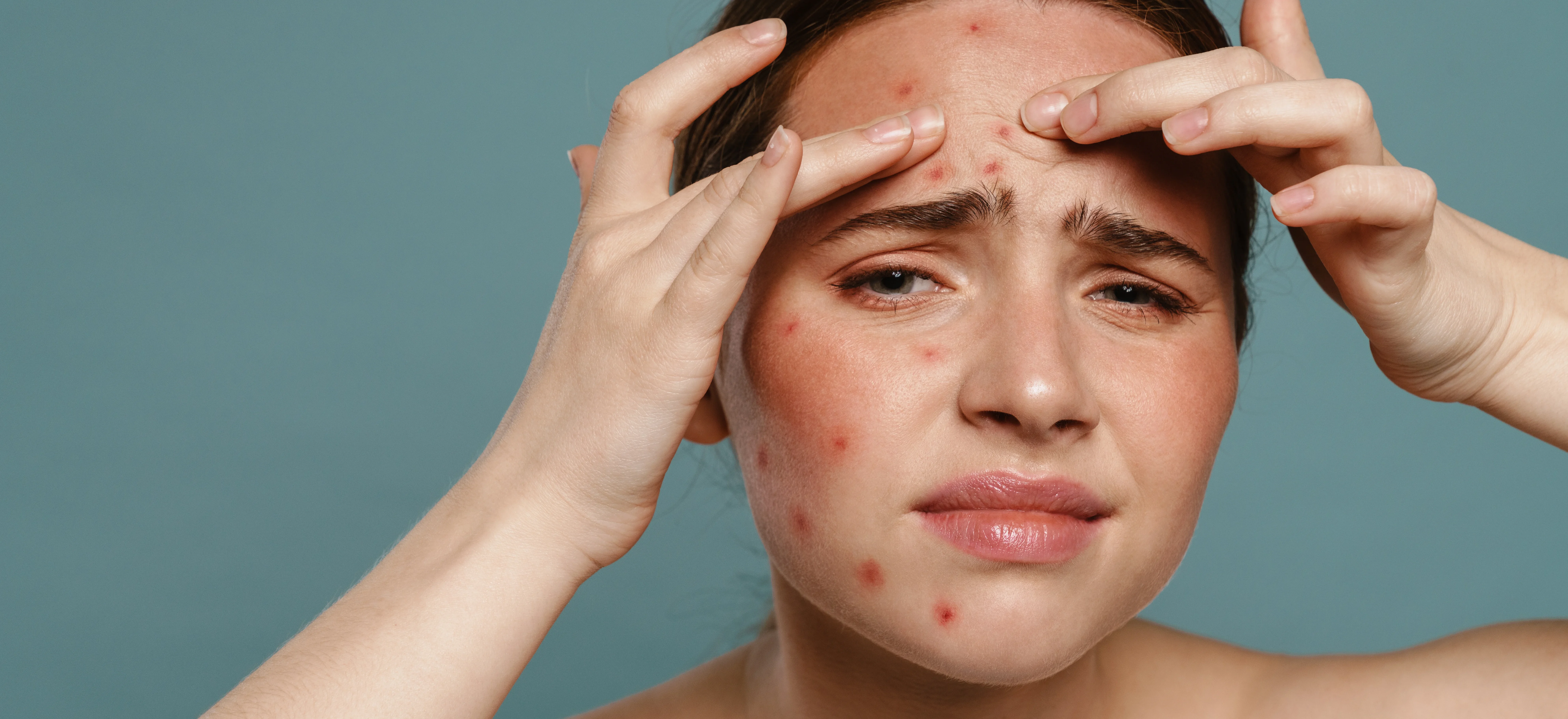
Does Accutane Help Hormonal Acne?
Hormonal acne is one of the most frustrating skin conditions many people deal with. It can appear as painful cysts, deep pimples, blackheads, and inflammation that often return again and again. For some people, regular acne treatments work well, but others continue to struggle with breakouts for years. This is when many start asking an important question: does Accutane help hormonal acne?
Accutane is one of the strongest acne medications available. It is widely known for treating severe acne that does not respond to other treatments. While it can be highly effective, many people are unsure if it works specifically for hormonal acne since hormonal acne is linked to hormone changes inside the body.
The short answer is yes, Accutane can help hormonal acne in many cases. However, the results depend on factors like the severity of acne, hormone levels, lifestyle, and whether the root hormonal issue is still active.
In this blog, we will explain how Accutane works, whether it helps hormonal acne, what results to expect, side effects, alternatives, and important things to know before starting treatment.
What Is Hormonal Acne?
Hormonal acne is acne caused or triggered by hormone fluctuations in the body. It commonly affects teenagers during puberty, but adults can also experience it, especially women.
Hormonal acne often appears in areas such as:
- Chin
- Jawline
- Lower cheeks
- Neck
These breakouts are usually deep, painful, and inflamed rather than small surface pimples.
Hormones called androgens play a major role in hormonal acne. These hormones increase oil production in the skin. Excess oil can clog pores and create an environment where acne-causing bacteria grow.
Common Causes of Hormonal Acne
Hormonal acne can develop for many reasons.
Puberty
Hormone levels rise during puberty, increasing oil production.
Menstrual Cycle
Many women notice acne flare-ups before their periods.
Pregnancy
Pregnancy can cause major hormone shifts that trigger breakouts.
Polycystic Ovary Syndrome
PCOS is a common hormonal condition linked to persistent acne.
Stress
Stress can increase cortisol levels, which may worsen acne.
Hormonal Imbalances
Changes in estrogen, progesterone, or testosterone levels can contribute to acne.
Genetics
Family history can increase the likelihood of hormonal acne.
What Is Accutane?
Accutane is the brand name that became famous for isotretinoin, a powerful prescription medication used to treat severe acne. Although the original Accutane brand was discontinued years ago, many people still use the term “Accutane” to describe isotretinoin medications.
Isotretinoin belongs to a group of drugs related to vitamin A. It works differently from regular acne creams or antibiotics because it targets several major causes of acne at once.
How Accutane Works
Accutane helps reduce acne by attacking the main factors that cause breakouts.
Reduces Oil Production
It dramatically shrinks the skin’s oil glands, lowering sebum production.
Prevents Clogged Pores
Less oil means pores are less likely to become blocked.
Reduces Bacteria
The medication lowers acne-causing bacteria on the skin.
Lowers Inflammation
It helps calm redness and swelling associated with acne.
These effects make Accutane one of the most effective acne treatments available.
Does Accutane Help Hormonal Acne?
Yes, Accutane can help hormonal acne, especially severe or stubborn cases. Many dermatologists prescribe isotretinoin when hormonal acne does not improve with other treatments.
Although Accutane does not directly change hormone levels, it reduces oil production so effectively that hormonal acne often improves significantly.
Since hormonal acne depends heavily on excess oil production, reducing oil helps stop the cycle of clogged pores and inflammation.
For many people, Accutane leads to long-term or even permanent improvement.
Why Accutane Can Be Effective for Hormonal Acne
Hormonal acne usually involves overactive oil glands. Even if hormones continue fluctuating, the oil glands become much less active after Accutane treatment.
This means:
- Fewer clogged pores
- Less inflammation
- Fewer cystic breakouts
- Reduced acne scars
- Clearer skin over time
Accutane is especially useful for painful cystic acne that keeps returning despite using other treatments.
When Doctors Recommend Accutane
Dermatologists usually recommend Accutane for:
- Severe cystic acne
- Acne causing scars
- Persistent hormonal acne
- Acne resistant to antibiotics
- Acne affecting mental health or confidence
- Long-term recurring acne
It is generally considered after trying other options first.
How Long Does It Take for Accutane to Work?
Accutane does not clear acne overnight. Most treatment courses last between 4 and 8 months.
First Few Weeks
Some people experience an initial breakout phase where acne temporarily worsens.
One to Two Months
Oil production usually decreases noticeably.
Three to Four Months
Inflammation and cysts often start improving significantly.
End of Treatment
Many patients experience major skin clearing.
Results vary depending on the individual and acne severity.
Can Hormonal Acne Return After Accutane?
In some cases, hormonal acne can return after treatment. This happens because Accutane does not permanently fix hormone imbalances.
However, many people still experience long-lasting improvement for years.
The chances of relapse depend on factors like:
- Hormone levels
- Genetics
- Age
- PCOS or other conditions
- Stress
- Skincare routine
Some people may need additional treatments later.
Who Is Most Likely to Relapse?
Certain groups have a higher chance of acne returning after Accutane.
Women With Ongoing Hormonal Issues
Conditions like PCOS can continue triggering acne.
People Treated at a Young Age
Teenagers may still experience hormonal changes later.
Low Dose Treatments
Some low-dose courses may not provide long-term control.
Severe Acne Cases
Very severe acne sometimes requires multiple courses.
Even if some acne returns, it is often milder than before treatment.
Accutane vs Hormonal Treatments
Hormonal acne is often treated with hormone-related medications too. Understanding the difference helps explain why Accutane is not always the only option.
Birth Control Pills
Certain birth control pills help regulate hormones and reduce acne in women.
Spironolactone
This medication blocks androgen effects and is commonly used for hormonal acne in adult women.
Accutane
Accutane reduces oil production rather than directly targeting hormones.
Some people respond better to hormonal therapy, while others need Accutane.
Can Accutane and Hormonal Treatments Be Used Together?
Yes, dermatologists sometimes combine treatments.
For example:
- Accutane plus birth control pills
- Accutane plus spironolactone
- Accutane with topical treatments
Combination therapy may improve results for persistent hormonal acne.
Side Effects of Accutane
Accutane is powerful, but it also comes with potential side effects. This is why it requires close medical supervision.
Dry Skin
Dryness is the most common side effect.
Chapped Lips
Many people experience severely dry lips.
Dry Eyes
Contact lens wearers may notice irritation.
Nosebleeds
Dry nasal passages can lead to nosebleeds.
Joint Pain
Some people experience muscle or joint discomfort.
Increased Sun Sensitivity
Skin becomes more sensitive to sunlight.
Mood Changes
Rare cases of mood-related side effects have been reported.
Elevated Cholesterol
Blood tests may show changes in cholesterol or liver function.
Doctors monitor patients carefully during treatment.
Important Pregnancy Warning
Accutane should never be used during pregnancy because it can cause severe birth defects.
People who can become pregnant usually need:
- Pregnancy tests
- Birth control measures
- Regular monitoring
Safety programs exist in many countries to prevent pregnancy during treatment.
What to Avoid While Taking Accutane
Certain habits and products should be avoided during treatment.
Avoid Waxing
Skin becomes fragile and can tear easily.
Limit Sun Exposure
Use sunscreen regularly.
Avoid Harsh Skincare
Strong exfoliants may irritate the skin.
Avoid Vitamin A Supplements
Too much vitamin A can increase side effects.
Avoid Alcohol in Excess
Alcohol may increase liver stress.
Following medical advice helps reduce complications.
Tips for Managing Dryness
Dryness is almost unavoidable with Accutane, but good skincare helps.
Use Gentle Cleansers
Avoid harsh soaps or acne scrubs.
Apply Moisturizer Daily
Choose fragrance-free moisturizers.
Use Lip Balm Frequently
Keeping lips moisturized is essential.
Stay Hydrated
Drinking water may help with dryness.
Use Eye Drops if Needed
Artificial tears can help dry eyes.
Emotional Effects of Acne
Hormonal acne affects more than just the skin. Many people struggle emotionally because of persistent breakouts.
Acne can impact:
- Self-confidence
- Social life
- Mental health
- Work performance
- Relationships
For some patients, clearing acne with Accutane significantly improves confidence and quality of life.
Is Accutane Worth It for Hormonal Acne?
For many people with severe hormonal acne, Accutane can be life-changing. When other treatments fail, it often provides the dramatic improvement patients have been waiting for.
However, it is not a simple medication. The treatment requires commitment, monitoring, and patience.
The decision depends on:
- Acne severity
- Previous treatments
- Side effect tolerance
- Medical history
- Long-term goals
A dermatologist can help decide if it is the right option.
Natural Ways to Support Hormonal Acne Treatment
While Accutane is a medical treatment, healthy habits may still support skin health.
Balanced Diet
Some people notice fewer breakouts by reducing processed foods and excess sugar.
Good Sleep
Sleep supports hormone balance and skin repair.
Stress Management
Stress may worsen acne flare-ups.
Gentle Skincare
Simple skincare routines reduce irritation.
Avoid Picking Acne
Picking can increase scarring and inflammation.
These habits alone may not cure hormonal acne, but they can help overall skin condition.
Foods That May Affect Hormonal Acne
Research is still ongoing, but some foods may trigger acne in certain people.
High Sugar Foods
Sugary foods may increase inflammation.
Dairy Products
Some individuals notice acne worsening with dairy.
Processed Foods
Highly processed diets may affect skin health.
Fast Food
Frequent fast food consumption may contribute to breakouts.
Not everyone reacts the same way, but paying attention to diet can be helpful.
Can Men Use Accutane for Hormonal Acne?
Yes, men can absolutely use Accutane. Hormonal acne affects males too, especially during teenage years and young adulthood.
Accutane is commonly prescribed for:
- Severe male acne
- Back acne
- Chest acne
- Deep cystic acne
The medication works similarly regardless of gender.
Signs Accutane Is Working
People often notice several positive changes during treatment.
Less Oily Skin
Skin may become noticeably less greasy.
Smaller Breakouts
Existing pimples begin shrinking.
Fewer New Pimples
New acne develops less frequently.
Reduced Inflammation
Skin looks calmer and less red.
Healing Acne Marks
Some discoloration may gradually fade.
Patience is important because improvement takes time.
What Happens After Finishing Accutane?
After completing treatment, most people transition to maintenance skincare.
This may include:
- Gentle cleansers
- Retinoids
- Sunscreen
- Moisturizers
- Occasional acne medications
Some patients remain completely clear, while others need mild ongoing treatment.
Alternatives if Accutane Is Not Suitable
Accutane is not the best choice for everyone. Other options include:
Topical Retinoids
Help prevent clogged pores.
Antibiotics
Reduce inflammation and bacteria.
Hormonal Therapy
Useful for women with hormonal acne.
Chemical Peels
Can improve mild acne and scars.
Laser Treatments
Some lasers help reduce inflammation.
Prescription Creams
Dermatologists may recommend customized treatments.
The best approach depends on the individual.
Common Myths About Accutane
Myth 1: Accutane Cures Acne Forever
Some people remain clear permanently, but others may relapse.
Myth 2: Accutane Is Only for Teenagers
Adults commonly use it too.
Myth 3: Everyone Gets Severe Side Effects
Many people tolerate treatment well with proper monitoring.
Myth 4: Hormonal Acne Cannot Improve With Accutane
Many patients with hormonal acne see major improvement.
Myth 5: Accutane Works Instantly
Results usually take several months.
Understanding the facts helps people make informed decisions.
Questions to Ask Your Dermatologist
Before starting Accutane, it helps to ask important questions.
- Is my acne hormonal?
- Am I a good candidate for Accutane?
- What side effects should I expect?
- How long will treatment last?
- What skincare products should I use?
- Will my acne return later?
- Do I need blood tests?
- Can I continue using makeup?
- What happens if I miss doses?
Clear communication improves the treatment experience.
FAQs
1. Can Accutane help acne caused by PCOS?
Yes, Accutane may improve acne linked to PCOS, but hormonal imbalances from PCOS can still cause future breakouts after treatment.
2. Does hormonal acne always come back after Accutane?
No, some people remain clear for years or permanently, while others may experience mild or moderate relapse later.
3. Can Accutane remove acne scars?
Accutane mainly treats active acne. It may slightly improve skin texture, but separate scar treatments are usually needed.
4. Is it safe to wear makeup while taking Accutane?
Yes, but gentle and non-comedogenic makeup products are usually recommended to avoid irritation.
5. Can Accutane affect periods or hormones?
Accutane does not directly regulate hormones, but some people notice temporary menstrual changes during treatment.
6. Does Accutane work on body acne?
Yes, it is commonly used for acne on the back, chest, shoulders, and neck.
7. Can you exercise while on Accutane?
Yes, but some people experience muscle or joint soreness, especially after intense exercise.
8. Is low-dose Accutane effective for hormonal acne?
Low-dose treatment can work for some people and may reduce side effects, though results may take longer.
9. Can Accutane shrink pores?
Many people notice smaller-looking pores because oil production decreases significantly during treatment.
10. Should I stop my skincare routine during Accutane?
No, but switching to a gentle and hydrating skincare routine is usually recommended during treatment.
Conclusion
So, does Accutane help hormonal acne? In many cases, the answer is yes. Accutane can be highly effective for severe, stubborn, or cystic hormonal acne that does not respond to other treatments. By dramatically reducing oil production and inflammation, it helps break the cycle that causes recurring breakouts.
However, hormonal acne can be complex because hormones themselves may still fluctuate even after treatment. This means some people experience long-term clearing while others may have mild acne return later. Even so, many patients see major improvement in both their skin and confidence after completing Accutane treatment.
Because Accutane is a strong medication with possible side effects, it should always be used under the guidance of a qualified dermatologist. With proper monitoring, realistic expectations, and good skincare habits, Accutane can become an important solution for people struggling with persistent hormonal acne.

Comprehensive Skincare for Patients of All Ages
BOOK AN APPOINTMENTSince 1982, Palm Beach Dermatology Group has developed treatment plans that reflect our patients’ goals for healthy and beautiful skin. The doctors and professionals on our team have attended top schools, like Brown University, NYU, and the University of Miami, received special honors, and contributed to esteemed medical journals.
Our background and knowledge of the latest pharmaceutical technologies enable us to uphold the highest safety standards and deliver quality service and care to our patients. At PGA Dermatology Skin & Aesthetics Center, we make you feel comfortable and treat you like family from the moment you step inside our waiting room.