


Dark patches, uneven skin tone, and dark spots are common skin concerns. They can appear on the face, neck, hands, underarms, elbows, knees, or other parts of the body. Sun exposure, acne, hormonal changes, skin irritation, and certain medical conditions can all contribute to changes in skin color.
The right dark skin treatment depends on what is causing the discoloration. Some dark spots fade naturally, while others need skincare products, prescription treatment, or medical evaluation.
The goal of treating dark spots is to help the skin return to its natural, even tone without causing irritation or damage. This guide explains the common causes of dark patches, treatment options, daily skincare steps, and when to consult a dermatologist.
What Is Dark Skin Treatment?
Dark skin treatment refers to methods used to manage unwanted dark spots, patches, and uneven skin tone. These changes are often caused by hyperpigmentation, a condition in which certain areas of the skin produce or retain more melanin than the surrounding skin.
Melanin is the natural pigment that gives skin its color. When the skin produces extra melanin in response to sunlight, inflammation, or hormonal changes, darker areas may develop.
Treatment aims to address the cause of the discoloration and reduce the appearance of excess pigmentation. It does not need to change a person's natural skin color.
What Causes Dark Spots and Dark Patches on the Skin?
Before choosing a treatment, it is important to understand why the skin has become darker. Different causes require different approaches.
1. Sun Exposure
Sunlight stimulates melanin production. Repeated exposure can make existing dark spots darker and contribute to new spots.
Common examples include sunspots on the face, hands, shoulders, and other exposed areas.
Using sunscreen regularly and protecting the skin from direct sunlight can help prevent further discoloration.
2. Acne and Pimples
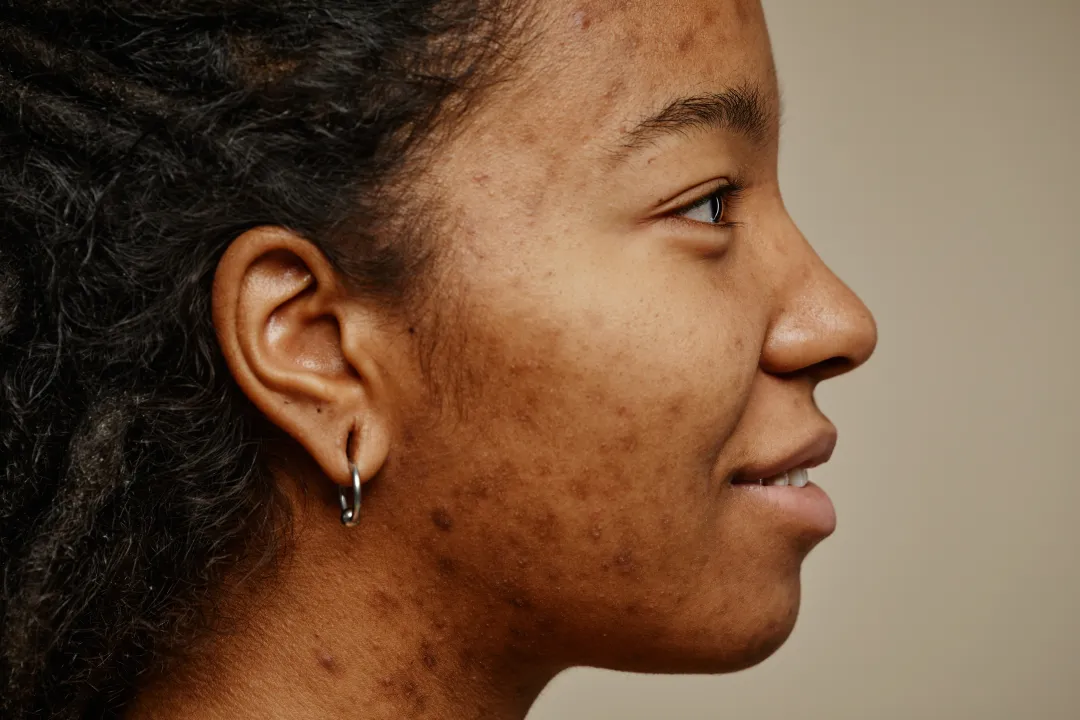
When a pimple heals, it may leave a dark mark behind. This is called post-inflammatory hyperpigmentation.
The mark is not necessarily a permanent scar. It can gradually fade, although the process may take several months or longer.
Picking pimples, squeezing spots, or using harsh acne products can increase irritation and make discoloration more noticeable.
3. Hormonal Changes
Hormonal changes can contribute to melasma, a condition that causes brown or gray-brown patches, often on the cheeks, forehead, upper lip, or other parts of the face.
Melasma can occur during pregnancy and may also be associated with hormonal medications, including some forms of birth control. Sunlight can make it worse.
Treatment often requires consistent sun protection and a plan suited to the person's skin and medical circumstances.
4. Skin Irritation and Inflammation
Eczema, insect bites, cuts, burns, and irritation from skincare products can leave darker areas after the skin heals.
People with darker skin tones may be more likely to develop noticeable dark marks following inflammation.
Avoiding irritating products and treating the underlying skin condition can help prevent additional pigmentation.
5. Medical Conditions
Dark, thickened patches around the neck, armpits, or groin may be a condition called acanthosis nigricans. It can be associated with insulin resistance, type 2 diabetes, hormonal conditions, and certain medications.
New or unexplained dark patches should be assessed by a healthcare professional rather than treated only with cosmetic products.

Best Dark Skin Treatment Options
There is no single treatment that works for every type of pigmentation. The best option depends on the cause, location, skin sensitivity, and depth of the discoloration.
1. Use Sunscreen Every Day
Sunscreen is one of the most important steps in managing dark spots. Sun exposure can darken existing pigmentation and cause new spots to appear.
Choose a broad-spectrum sunscreen with SPF 30 or higher. Apply it to exposed skin and reapply approximately every two hours when outdoors, as well as after swimming or sweating, according to the product instructions.
A tinted sunscreen containing iron oxides may offer additional protection against visible light, which can worsen melasma and some forms of pigmentation, particularly in darker skin tones.
Other helpful habits include wearing a wide-brimmed hat, seeking shade, and limiting prolonged exposure to strong sunlight.
2. Try Products Containing Azelaic Acid
Azelaic acid is used to treat certain skin conditions, including acne and pigmentation. It can help reduce the appearance of dark marks by affecting processes involved in melanin production.
It may be useful for people who have acne-related discoloration as well as ongoing breakouts.
Choose a suitable product and follow its directions. If your skin is sensitive, introduce it gradually. Stop using it and seek advice if you develop significant burning, swelling, or persistent irritation.
3. Consider Vitamin C
Vitamin C is an antioxidant used in skincare products to help protect the skin from environmental damage and improve the appearance of uneven skin tone.
It may help reduce the appearance of some dark spots when used consistently. However, results vary depending on the formulation and cause of the pigmentation.
Choose a product from a reputable manufacturer and follow the label instructions. If it causes stinging or irritation, stop using it.
Vitamin C does not replace sunscreen.
4. Use Retinoids When Appropriate
Retinoids, including retinol and prescription tretinoin, affect skin cell turnover and may help improve acne and certain types of pigmentation.
They can be useful when dark marks occur alongside acne, but they may also cause dryness, peeling, redness, or irritation.
Start with an appropriate product and follow professional guidance, especially if you have sensitive skin. Irritation can make pigmentation worse, particularly in people prone to dark marks after inflammation.
Retinoids should generally be avoided during pregnancy. Ask a healthcare professional before using them if you are pregnant or planning pregnancy.
5. Ask About Prescription Treatments
A dermatologist may recommend prescription treatments when dark spots are persistent or do not improve with basic skincare.
Depending on the diagnosis, these may include hydroquinone, prescription retinoids, or combination treatments. These medicines are not suitable for everyone and need appropriate instructions about application, duration, and monitoring.
Do not use strong bleaching creams or prescription medicines without professional guidance. Incorrect use can cause irritation and sometimes lasting discoloration.
A Simple Daily Skincare Routine for Dark Spots
A consistent routine is often more useful than using many products at once. A simple approach can help reduce irritation and make it easier to identify which products work for your skin.
Morning Routine
Cleanse gently. Use a mild cleanser that removes dirt and excess oil without leaving your skin tight or dry.
Apply one suitable treatment product. Depending on your skin and the type of discoloration, this may be a product containing vitamin C or azelaic acid.
Use moisturizer. A suitable moisturizer helps maintain the skin barrier and reduce dryness.
Apply sunscreen. Finish with broad-spectrum SPF 30 or higher. Use enough to cover exposed skin and reapply as needed.
Evening Routine
Cleanse your skin. Remove sunscreen, makeup, and dirt with a gentle cleanser.
Apply your chosen treatment. Use your selected product according to its instructions. Avoid introducing several strong ingredients at the same time.
Moisturize. Apply a moisturizer suited to your skin type to reduce dryness and irritation.
If your skin becomes red, painful, or increasingly irritated, stop the product causing the reaction and seek professional advice if symptoms persist.
How to Treat Dark Skin on the Neck, Underarms, and Elbows
Dark areas on the body do not always have the same cause as facial dark spots.
Dark Neck
Dark, thick, velvety skin around the neck can be associated with acanthosis nigricans. It may be linked to insulin resistance or other medical conditions.
If this type of discoloration develops, arrange a medical assessment. Scrubbing harder or applying bleaching products will not address the underlying cause.
Dark Underarms
Underarm discoloration may result from friction, shaving irritation, inflammation, or certain skin conditions. Dark, thickened patches may also have a medical cause.
Use gentle products, avoid harsh scrubbing, and stop products that cause burning or irritation. If the discoloration persists or the skin becomes thickened, consult a healthcare professional.
Dark Elbows and Knees
Friction, dryness, and repeated pressure may contribute to rough or darker skin around the elbows and knees.
A moisturizer containing ingredients such as urea or lactic acid may help with dryness and rough texture. Introduce products carefully, particularly if the skin is cracked or irritated.
Persistent or unexplained discoloration should be assessed rather than assumed to be caused by dryness alone.
What Should You Avoid When Treating Dark Spots?
Some common skincare practices can make pigmentation worse instead of better.
Avoid Harsh Scrubs
Aggressive scrubbing can damage the skin barrier and cause inflammation. This may lead to more dark marks.
Avoid Unverified Whitening Creams
Some skin-lightening products contain undeclared mercury, steroids, or other potentially harmful ingredients. Mercury can damage the nervous system and kidneys, while inappropriate steroid use can thin the skin and cause other complications.
In the United States, over-the-counter skin-lightening products containing hydroquinone are not approved for sale as nonprescription drugs. Prescription treatment should be used under medical guidance.
Buy products from reputable sources, check ingredient labels, and avoid products with missing or unclear ingredient information.
Avoid Lemon Juice and Household Bleach
Lemon juice can irritate the skin and increase sensitivity to sunlight. Household bleach should never be applied to the skin.
Neither is a safe substitute for treatments supported by dermatological guidance.
Avoid Using Too Many Active Ingredients
Combining several acids, retinoids, and exfoliating products can irritate the skin. Irritation may create new dark spots or worsen existing ones.
Introduce one new product at a time and follow the recommended directions.
How Long Does Dark Skin Treatment Take to Work?
Results depend on the cause and depth of the pigmentation, the treatment used, and whether the trigger continues.
Some dark spots may begin to fade within a few months. Others can take six to twelve months or longer. Pigment located deeper in the skin may take years to fade and may not disappear completely.
Consistent sun protection, avoiding irritation, and treating the underlying condition can improve the chances of seeing progress.
If a spot continues to darken, changes in shape, bleeds, becomes painful, or looks different from other marks, have it examined rather than treating it as ordinary pigmentation.
When Should You See a Dermatologist?
Consult a dermatologist or other qualified healthcare professional if:
Dark patches appear suddenly or spread quickly.
The skin becomes thick, velvety, itchy, or painful.
Dark spots do not improve despite consistent skincare.
Pigmentation develops after starting a medication.
A spot changes shape, color, or size, or begins bleeding.
You are considering prescription creams, chemical peels, or laser treatment.
A dermatologist can identify the cause and recommend treatment that suits your skin type. This is particularly important because some procedures can cause additional pigmentation if performed incorrectly.
Conclusion
The best dark skin treatment depends on the cause of the discoloration. Sun exposure, acne, hormonal changes, inflammation, and certain medical conditions can all contribute to dark spots and uneven skin tone.
Daily sunscreen, gentle skincare, suitable ingredients such as azelaic acid or vitamin C, and professional treatment when needed can help improve some forms of pigmentation. Avoid harsh scrubbing, household remedies that irritate the skin, and unverified whitening products.
Most importantly, focus on treating the specific skin concern rather than trying to change your natural skin color. With the right approach and patience, many types of dark spots can become less noticeable over time.
Medical disclaimer: This article is for general educational purposes and does not replace professional medical advice. Consult a qualified healthcare professional for diagnosis and personalized treatment recommendations.