Blackheads in Ear: Causes, Symptoms, Safe Removal, Treatment, and Prevention
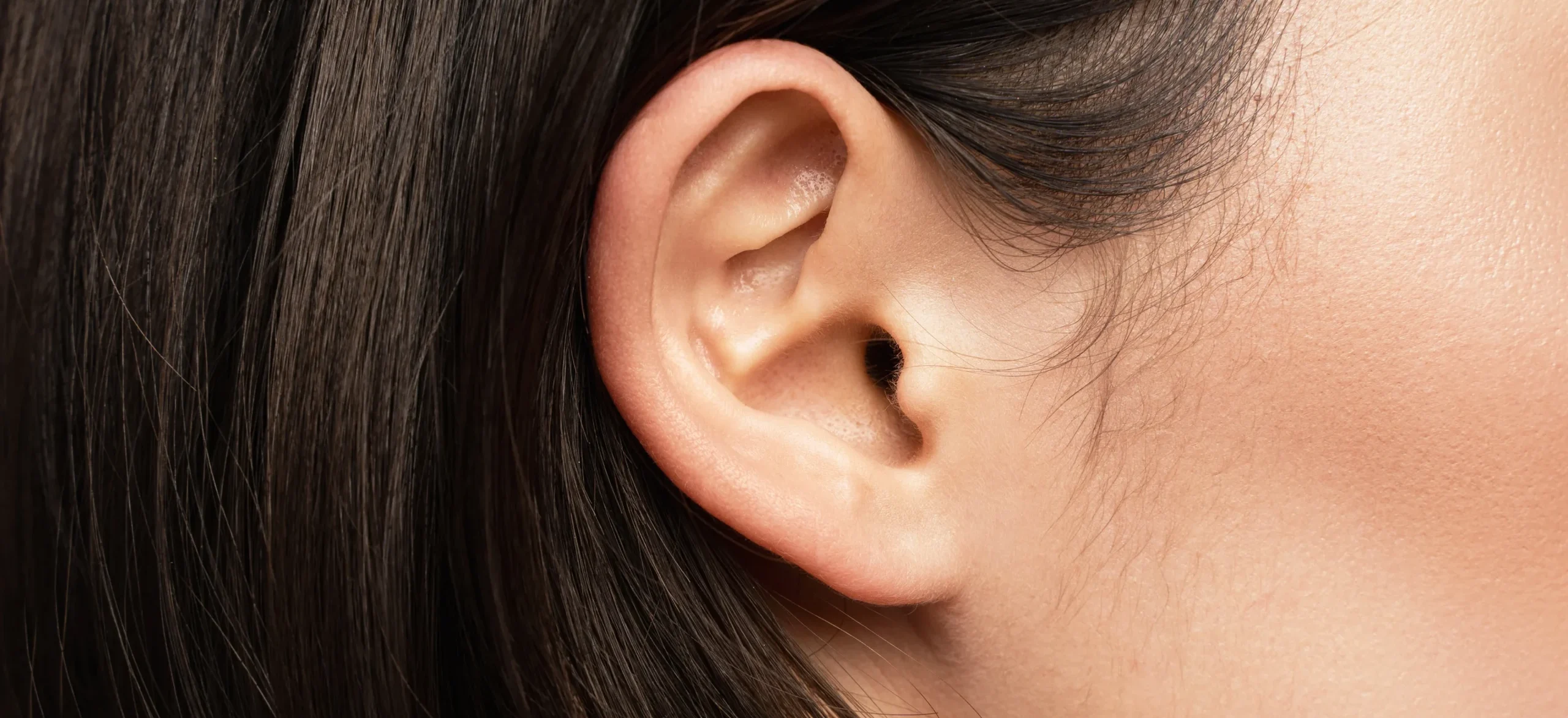
Blackheads can appear almost anywhere on the body where oil glands are present, including the ears. While many people expect blackheads on the nose, chin, or forehead, finding one inside or around the ear can be surprising. Because the skin inside the ear is more delicate and harder to reach, blackheads in this area can also be more difficult to remove safely.
Most ear blackheads are harmless, but they can become uncomfortable if they grow larger, become irritated, or develop into an infected pimple. The good news is that, with proper care, they can often be treated and prevented.
This complete guide explains everything you need to know about blackheads in the ear, including what causes them, how to identify them, safe removal methods, treatments, prevention tips, and when to see a healthcare professional.
What Is a Blackhead?
A blackhead is a type of acne known as an open comedone. It forms when a hair follicle or pore becomes clogged with excess oil, dead skin cells, and sometimes bacteria.
Unlike whiteheads, which remain closed beneath the skin, blackheads stay open. When the trapped material is exposed to air, it oxidizes and turns dark, creating the black appearance. The dark color is not dirt.
Can You Get Blackheads in Your Ear?
Yes. Blackheads can develop on several parts of the ear, including:
- Inside the outer ear
- The ear canal opening
- The bowl of the ear
- Behind the ears
- The earlobe
- Along the edge of the ear
The outer ear contains oil glands and hair follicles, making it possible for pores to become clogged just like they do on the face.
What Causes Blackheads in the Ear?
Several factors can contribute to blackheads forming in or around the ears.
Excess Oil Production
The skin naturally produces an oily substance called sebum. When too much sebum is produced, it can combine with dead skin cells and block pores.
Dead Skin Cells
Skin constantly sheds old cells. If these cells are not removed naturally, they can build up and clog pores.
Dirt and Environmental Debris
Although dirt does not directly cause blackheads, it can mix with oil and dead skin, making clogged pores more likely.
Hair Products
Hair sprays, gels, oils, conditioners, and styling creams can transfer onto the ears and clog pores.
Sweat
Heavy sweating can trap oil and bacteria against the skin, especially if sweat is not washed away after exercise.
Wearing Earbuds or Headphones
Earbuds, headphones, and hearing aids can trap sweat, oil, and bacteria close to the skin. If they are not cleaned regularly, they may contribute to clogged pores.
Hormonal Changes
Hormonal changes during puberty, pregnancy, or other life stages can increase oil production.
Poor Skin Care
Skipping regular cleansing or not washing the ears during bathing may allow oil and dead skin to accumulate.
Genetics
Some people naturally produce more oil than others, making them more likely to develop blackheads.
Symptoms of Blackheads in the Ear
A blackhead often appears as a small dark spot on the skin.
Other signs may include:
- A tiny black or dark brown dot
- A small raised bump
- Rough skin texture
- Mild tenderness if irritated
- No pain in most cases
Unlike infected pimples, blackheads usually do not become swollen or filled with pus.
Where Do Blackheads Commonly Form on the Ear?
Inside the Outer Ear
This is one of the most common locations because oil glands are present.
Earlobe
People who wear earrings or frequently touch their ears may notice blackheads on the earlobes.
Behind the Ear
Sweat, hair products, and oil can collect behind the ears, increasing the chance of clogged pores.
Around Ear Piercings
Piercings may collect oil and dead skin if they are not cleaned properly.
Are Ear Blackheads Dangerous?
Most blackheads are harmless.
However, problems can occur if you:
- Squeeze them aggressively
- Use sharp objects
- Cause an infection
- Damage the skin
An untreated infected blackhead can develop into a painful cyst or boil.
Should You Pop a Blackhead in Your Ear?
It is generally not recommended.
The ear is difficult to reach, and squeezing a blackhead may:
- Push debris deeper into the skin
- Cause bleeding
- Lead to infection
- Leave scars
- Damage delicate ear tissue
Professional removal is often the safest option for stubborn blackheads.
How to Safely Remove a Blackhead in the Ear
If the blackhead is easy to reach and not painful, there are safer ways to manage it.
Clean the Area
Wash the outer ear with warm water and a gentle facial cleanser.
Avoid inserting soap into the ear canal.
Use a Warm Compress
Apply a warm compress for 5 to 10 minutes.
The warmth may soften the clogged material and make removal easier.
Apply a Salicylic Acid Product
Salicylic acid helps dissolve oil and dead skin inside pores.
Use only on the outer ear and avoid getting the product inside the ear canal.
Try a Retinoid
Retinoid creams encourage healthy skin cell turnover and help prevent clogged pores.
Many over the counter products contain adapalene, while stronger retinoids require a prescription.
Use a Clay Mask
A clay mask applied around the outer ear may help absorb excess oil.
Do not allow the mask to enter the ear canal.
Professional Extraction
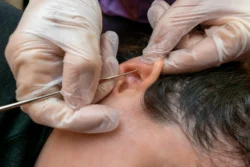
A dermatologist can safely remove stubborn blackheads using sterile tools designed for extractions.
What Not to Do
Avoid these common mistakes.
- Do not use needles or pins.
- Do not insert cotton swabs deep into the ear.
- Do not squeeze aggressively.
- Do not scrape the skin.
- Do not ignore signs of infection.
Home Remedies for Ear Blackheads
Some gentle home remedies may help improve skin health.
Warm Water Cleansing
Regular cleansing removes excess oil and dirt.
Tea Tree Oil
Tea tree oil has antibacterial properties.
Always dilute it with a carrier oil before applying to the skin.
Do not place it inside the ear canal.
Honey
Honey may help soothe irritated skin because of its natural antibacterial properties.
Aloe Vera
Aloe vera gel can calm redness and support healthy skin.
Green Tea
Green tea contains antioxidants that may help reduce oil production when used in certain skin care products.
Ear Blackheads Medical Treatments
If home care does not work, a healthcare professional may recommend:
- Prescription retinoids
- Stronger salicylic acid treatments
- Benzoyl peroxide products
- Professional extractions
- Chemical peels
- Oral medications for severe acne
Treatment depends on the number of blackheads and your overall skin condition.
How to Prevent Blackheads in the Ear
Preventing blackheads is often easier than treating them.
Wash Your Ears Regularly
Gently clean the outer ears during your daily shower.
Clean Earbuds Frequently
Wipe earbuds with alcohol based cleaning wipes according to the manufacturer’s instructions.
Avoid Heavy Hair Products Near the Ears
Sprays and oils can clog pores.
Try applying products away from your ears whenever possible.
Wash After Sweating
Remove sweat soon after exercising.
Avoid Touching Your Ears
Hands carry bacteria and oil.
Touching your ears frequently may contribute to clogged pores.
Use Non Comedogenic Skin Care Products
Choose products labeled non comedogenic, meaning they are less likely to clog pores.
Exfoliate Gently
Gentle exfoliation once or twice a week can remove dead skin cells.
Do not scrub aggressively.
Blackhead or Something Else?
Not every bump in the ear is a blackhead.
Whitehead
Whiteheads remain closed beneath the skin and appear white or flesh colored.
Pimple
Pimples are usually red, swollen, and may contain pus.
Epidermoid Cyst
These are larger lumps beneath the skin that often grow slowly.
Ear Wax
Sometimes hardened ear wax may appear dark but is located inside the ear canal.
Skin Cancer
Rarely, a persistent dark lesion may be something more serious.
Any changing or unusual skin growth should be evaluated by a healthcare professional.
Blackheads in Children
Children can occasionally develop blackheads, although they are more common during puberty.
Parents should avoid squeezing them.
If the bump is painful, swollen, or does not improve, a pediatrician or dermatologist should examine it.
Blackheads During the Teenage Years
Teenagers often experience increased oil production because of hormonal changes.
Regular skin care, gentle cleansing, and non comedogenic products can help reduce breakouts.
Blackheads in Adults
Adults may continue to experience blackheads because of:
- Hormonal changes
- Stress
- Oily skin
- Cosmetics
- Hair products
- Certain medications
Adult acne can usually be managed with a consistent skin care routine.
Can Ear Blackheads Become Infected?
Yes.
Repeated squeezing or scratching can introduce bacteria.
Signs of infection include:
- Increasing pain
- Redness
- Swelling
- Warmth
- Pus
- Fever in severe cases
Seek medical care if these symptoms develop.
When Should You See a Doctor?
You should seek medical advice if:
- The blackhead becomes painful.
- There is swelling or pus.
- You have hearing changes.
- The bump continues growing.
- Home treatment does not help after several weeks.
- You are unsure whether the bump is a blackhead.
A dermatologist or primary care provider can examine the area and recommend appropriate treatment.
How Dermatologists Remove Ear Blackheads
Professional extraction is often quick and safe.
The process usually includes:
- Cleaning the area.
- Softening the skin if needed.
- Using a sterile comedone extractor.
- Removing the blockage gently.
- Applying a soothing or antibacterial treatment if necessary.
This method reduces the risk of infection and scarring compared with trying to remove it at home.
Myths About Ear Blackheads
Myth: Blackheads Are Caused by Poor Hygiene
Not entirely. While cleansing helps, blackheads are mainly caused by clogged pores and excess oil.
Myth: The Black Color Is Dirt
The dark color comes from oxidation, not dirt.
Myth: Squeezing Is the Best Treatment
Aggressive squeezing can damage the skin and lead to infection.
Myth: Ear Blackheads Always Need Medical Treatment
Many can be managed with gentle skin care and over the counter acne products.
Myth: Cotton Swabs Remove Blackheads
Cotton swabs are not designed for blackhead removal and should never be inserted into the ear canal.
FAQs About Blackheads In Ear
Can blackheads come back after removal?
Yes. If excess oil and dead skin continue to clog pores, new blackheads can form.
Are blackheads contagious?
No. Blackheads cannot spread from one person to another.
Do blackheads cause hearing loss?
Blackheads on the outer ear usually do not affect hearing. However, a large lesion near the ear canal or another ear condition should be evaluated if hearing changes occur.
Can makeup cause ear blackheads?
Foundation, sunscreen, and other cosmetics can contribute to clogged pores if they are not washed off thoroughly.
Is it safe to use pore strips on the ear?
Pore strips are generally designed for flat areas like the nose and may not fit the ear well. They can also irritate the delicate skin of the ear.
Conclusion
Blackheads in the ear are a common skin concern that can affect people of all ages. They develop when oil, dead skin cells, and debris clog a pore, leaving it open to the air where the trapped material darkens. Although they are usually harmless, they can be uncomfortable or become infected if handled improperly.
The safest approach is to keep the outer ear clean, avoid squeezing blackheads, and use gentle acne treatments such as salicylic acid or retinoids when appropriate. Cleaning earbuds, limiting heavy hair products around the ears, and following a consistent skin care routine can also help prevent future breakouts.
If a blackhead becomes painful, swollen, drains pus, or does not improve with home care, it is important to seek medical advice. A healthcare professional can determine whether it is truly a blackhead or another skin condition and recommend the most appropriate treatment.
With proper care and good skin habits, most ear blackheads can be treated effectively while reducing the risk of scarring or infection.
Disclaimer: This article is for informational purposes only and should not be considered medical advice. Always consult a qualified healthcare professional for diagnosis, treatment, or concerns about your skin or overall health.

Comprehensive Skincare for Patients of All Ages
BOOK AN APPOINTMENTSince 1982, Palm Beach Dermatology Group has developed treatment plans that reflect our patients’ goals for healthy and beautiful skin. The doctors and professionals on our team have attended top schools, like Brown University, NYU, and the University of Miami, received special honors, and contributed to esteemed medical journals.
Our background and knowledge of the latest pharmaceutical technologies enable us to uphold the highest safety standards and deliver quality service and care to our patients. At PGA Dermatology Skin & Aesthetics Center, we make you feel comfortable and treat you like family from the moment you step inside our waiting room.